



Why Community-Based Tourism Is the Heart of Authentic Sri Lanka Travel
The island has a genuinely thriving ecosystem of community-based tourism. Not the kind that’s been dressed up for a brochure, but grassroots programs where local families, artisans, farmers, and conservationists have opened their lives and livelihoods to visitors. The money you spend stays in the village, not in a corporate account somewhere offshore.
The difference shows up in real ways. A family-run tea estate homestay reinvests your stay into the workers’ wages and the estate’s upkeep. A woman’s cooking class and shops uses its earnings to fund school fees and healthcare. A community-based turtle conservation program on the south coast pays former egg poachers a living wage to protect the nests they once raided. These aren’t charitable gestures. They’re sustainable economic models, and your presence as a traveller makes them viable.
Community-led tourism generates significantly more local income than conventional tourism models, because the money circulates within the community rather than leaking out through international supply chains. For a country like Sri Lanka, where rural livelihoods are still closely tied to agriculture, fishing, and traditional crafts, that circulation matters enormously.
But here’s the thing: the economics, as compelling as they are, aren’t actually why most travellers remember these experiences most vividly. It’s something simpler. When you sit down to eat with a family, you’re not a tourist anymore. You’re a guest. And authentic Sri Lanka has always known how to treat a guest. The cultural concept of ‘atithidevo bhava’, meaning the guest is god, isn’t a marketing phrase here. It’s a lived value, woven into daily life across Sinhalese, Tamil, and Muslim communities alike. That warmth is real, it’s generous, and it changes the entire texture of a trip.
Expert Tip: Community-based experiences work best when your itinerary has room to breathe. A private, tailor-made Sri Lanka tour lets you linger when something resonates, whether that’s an extra hour in a spice garden or an unplanned invitation to stay for dinner. That kind of flexibility is hard to find on a fixed group tour, and it’s exactly where the most meaningful moments tend to happen.
12 Community-Based Experiences That Show You the Real, Authentic Sri Lanka
1. Tea Estate Homestay in the Hill Country
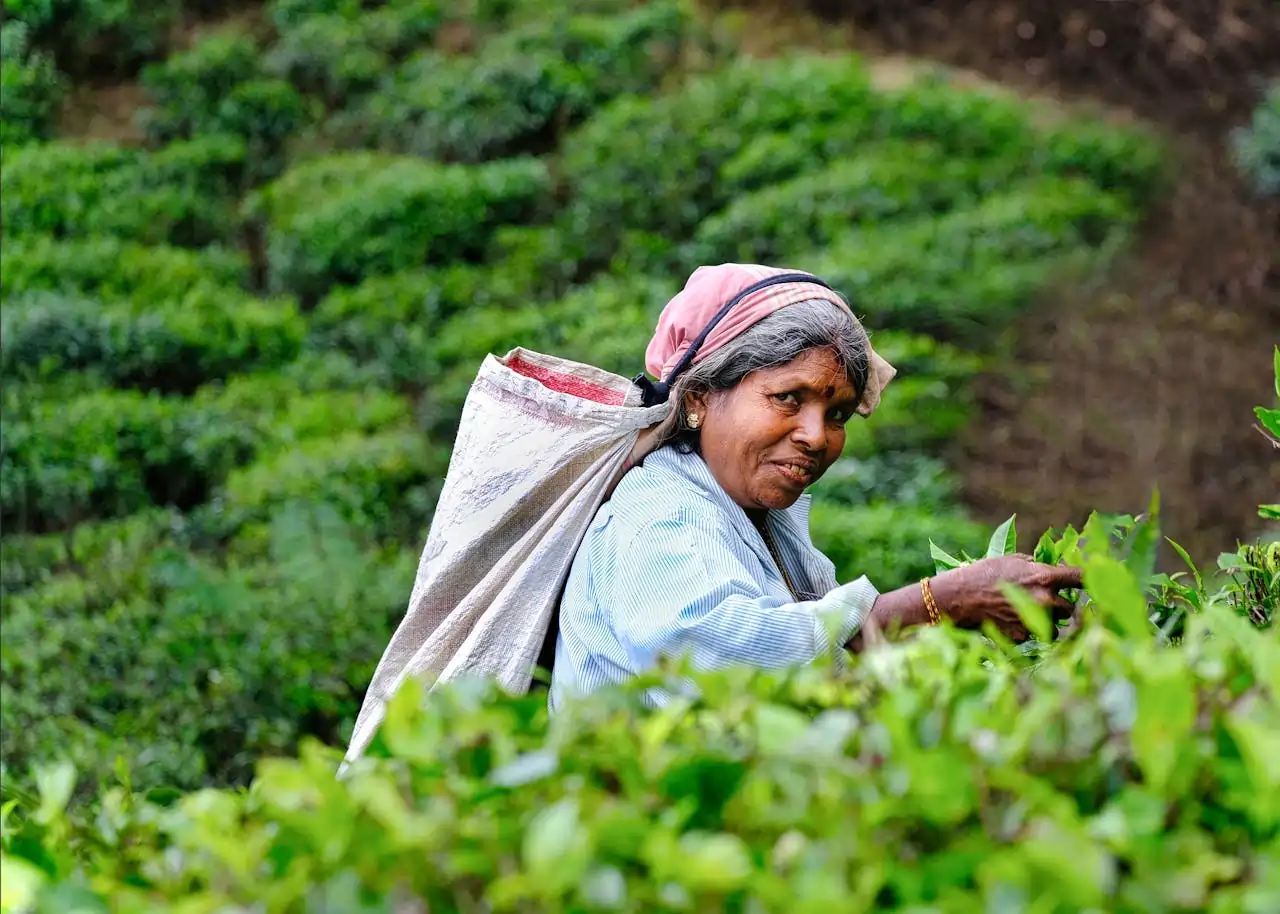
The hill country around Nuwara Eliya and Ella is postcard-perfect: misty, green, and impossibly quiet at dawn. But staying at a local tea estate homestay takes you past the postcard and into the life behind it. You rise early (very early) and join the morning pick alongside workers who’ve been at it since before you could walk. There’s no guided narration. Just the rhythm of hands moving through wet leaves and the sound of light rain on the plants.
Several family-run estates around Hill Country now offer overnight stays with full board, where meals are home-cooked, and the conversation around the table is the entertainment. This is authentic Sri Lanka hill country life. Not a curated experience, but a real one. Pair this with a visit to a nearby cooperative tea factory, and you’ll never look at a tea bag the same way again.
Best time to visit: December to April for dry weather in the hill country.
2. Cooking Classes With Village Women
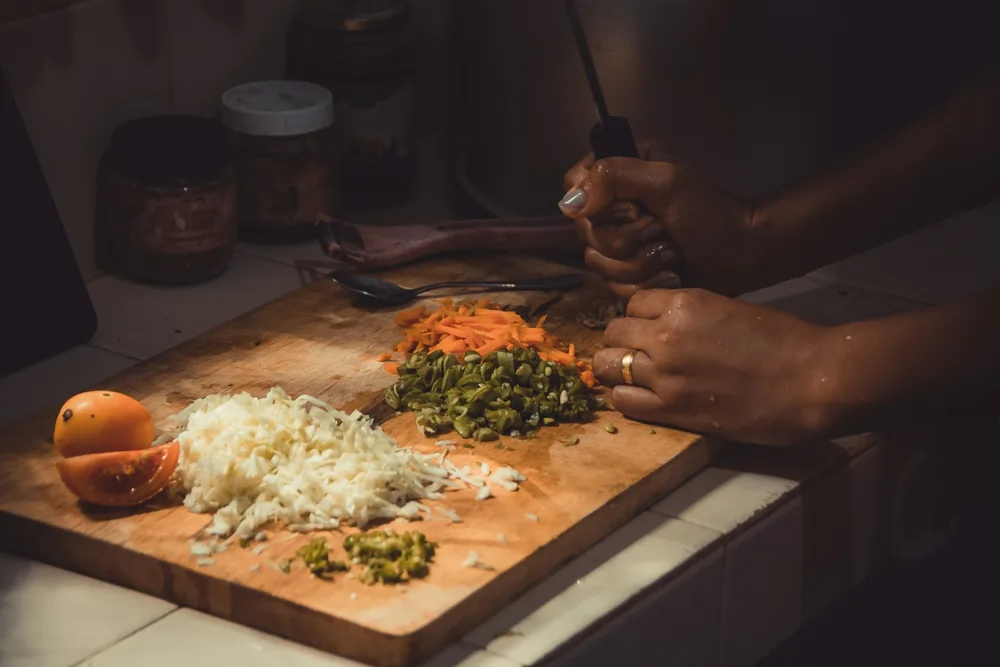
One of the most community-based, grassroots initiatives you’ll encounter across Sri Lanka is the women’s collaborative cooking class movement. In villages near Galle, Kandy, and Tangalle, small groups of women, mostly from farming families, have banded together to open their kitchens to visitors as a supplementary income stream. You bring nothing but curiosity. They bring everything else.
You’ll learn to crack open a king coconut the proper way, prepare authentic pol sambol without a recipe, and understand why the ratio of goraka to tamarind matters enormously in a fish curry. The classes typically run two to three hours, ending with a shared meal. Every rupee paid goes directly to the women running it. For food lovers from Australia, this is genuinely one of the most rewarding things you can do, and it connects you to authentic Sri Lanka cuisine in a way no restaurant ever could.
3. Fishing Village Experiences
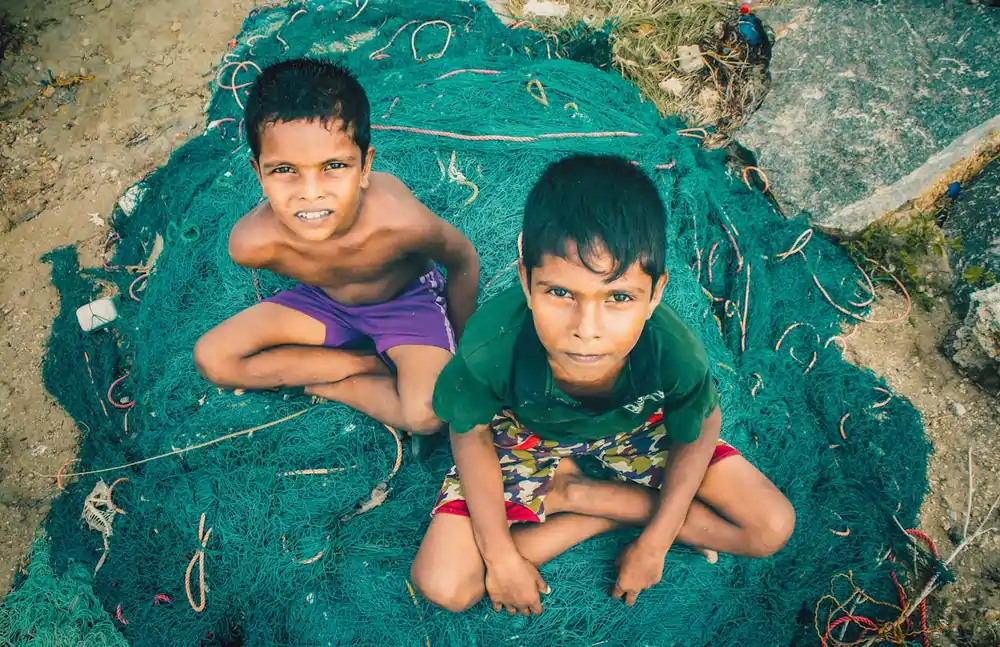
Sri Lanka’s fishing communities are some of the most welcoming you’ll meet anywhere in South Asia. In Negombo, just 30 minutes from Bandaranaike International Airport, you can arrange through a local operator to join a fishing family for a pre-dawn departure on a traditional outrigger. There’s nothing Instagram-staged about it: you’re on a wooden boat in the dark, breathing sea air, watching the nets go in.
Back on shore, the catch is sorted and sold at the early morning market, and if you’ve arranged it in advance, you might end up at the family’s home eating that same fish for breakfast, cooked simply with green chilli and turmeric. Down south in Mirissa and Ahangama, similar community-based experiences exist with the stilt fishermen, one of the most iconic images of authentic Sri Lanka and one of the few places you can actually join them rather than just photograph them.
4. Batik and Traditional Craft Workshops
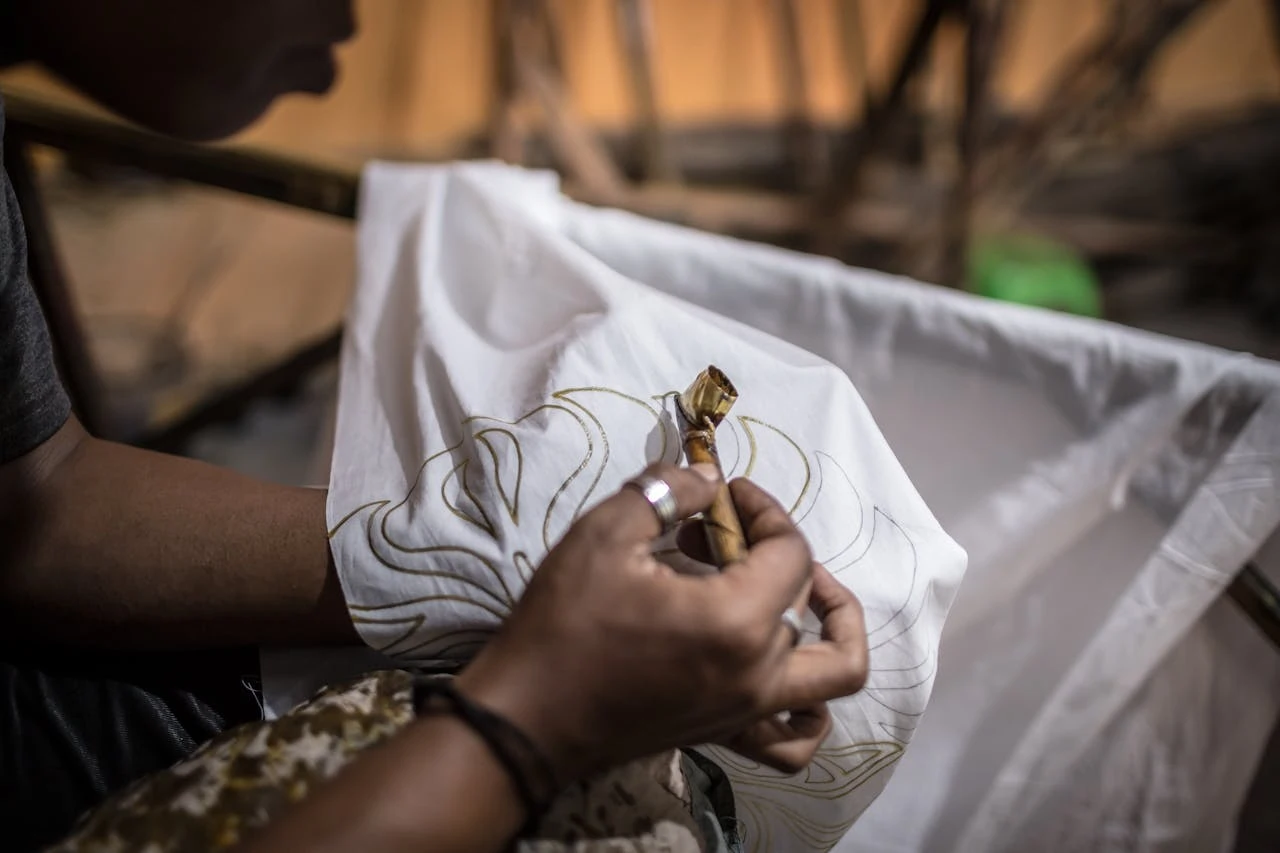
Kandy is more than the Temple of the Tooth, though that’s worth every bit of its reputation. The city and its surrounding villages are home to a remarkable concentration of traditional Kandyan craft families: lacquerware makers, brass-workers, hand-loom weavers, and the batik artists who produce some of the most sophisticated textile work in Asia.
Several community-based artisan cooperatives in the Kandy district now welcome small groups for half-day workshops where you sit alongside the craftspeople and actually try your hand at the work. Batik involves wax-resist dyeing on cotton or silk: it’s technically demanding and creatively absorbing. You’ll leave with a piece you made yourself and a much deeper appreciation for the patience embedded in every piece of authentic Sri Lanka craft work you see in the markets.
5. Paddy Farming with Local Families
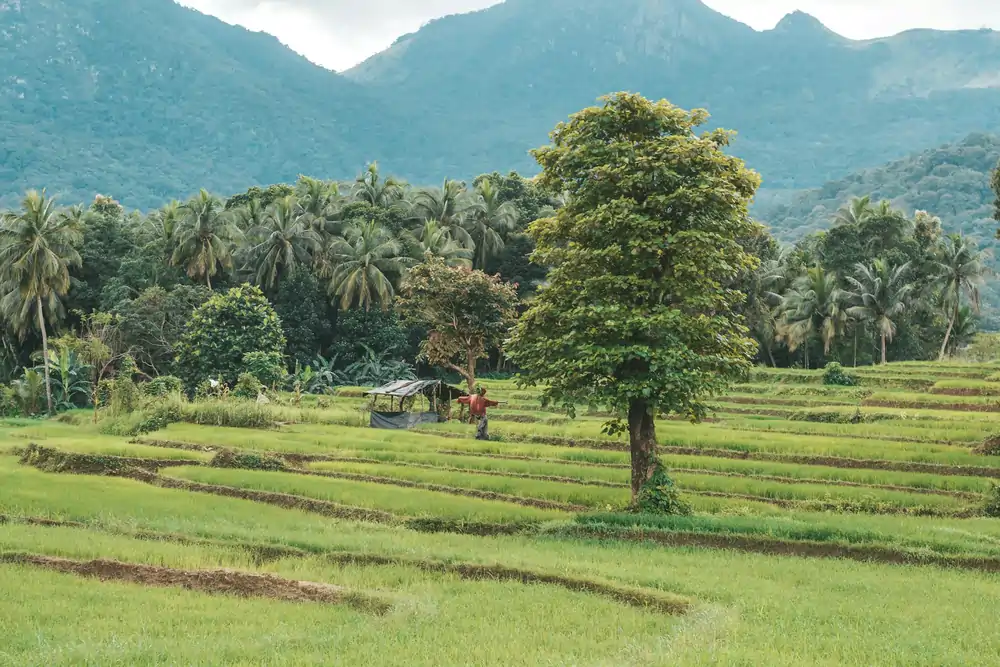
Rice farming is the backbone of rural Sri Lanka. The Cultural Triangle is roughly anchored by Anuradhapura, Polonnaruwa, and Sigiriya. The region is deeply agricultural, and several villages here have opened up to visitors who want to understand what that means day-to-day.
A paddy farming experience typically involves wading into a flooded field and transplanting seedlings alongside farmers who have done this all their lives. It is harder than it looks. Your back will remind you of this for days. But there’s something profoundly grounding about working the land that has been cultivated by the same community for generations. The farmers’ good-natured patience with enthusiastic but clumsy visitors is itself a window into the warmth that defines authentic Sri Lanka rural life.
6. Ayurvedic Village Medicine Experience
The Knuckles Mountain Range in central Sri Lanka is a UNESCO World Heritage site, and the communities that live within and around it have maintained traditional knowledge of forest medicine for centuries. A growing number of community-based ecotourism programs in this region now offer guided medicine walks led by local healers.
You’ll move slowly through forest trails, stopping to identify plants used in traditional Sri Lankan Ayurvedic medicine, with your guide explaining what each plant is used for, how it’s prepared, and the cultural beliefs around it. It’s part botany, part history, part philosophy. For travellers who want authentic Sri Lanka wellness without the commercial spa circuit, this is as real as it gets. The guides are from the villages themselves, and every tour fee goes into a community conservation fund.
7. Village Tuk-Tuk Tours
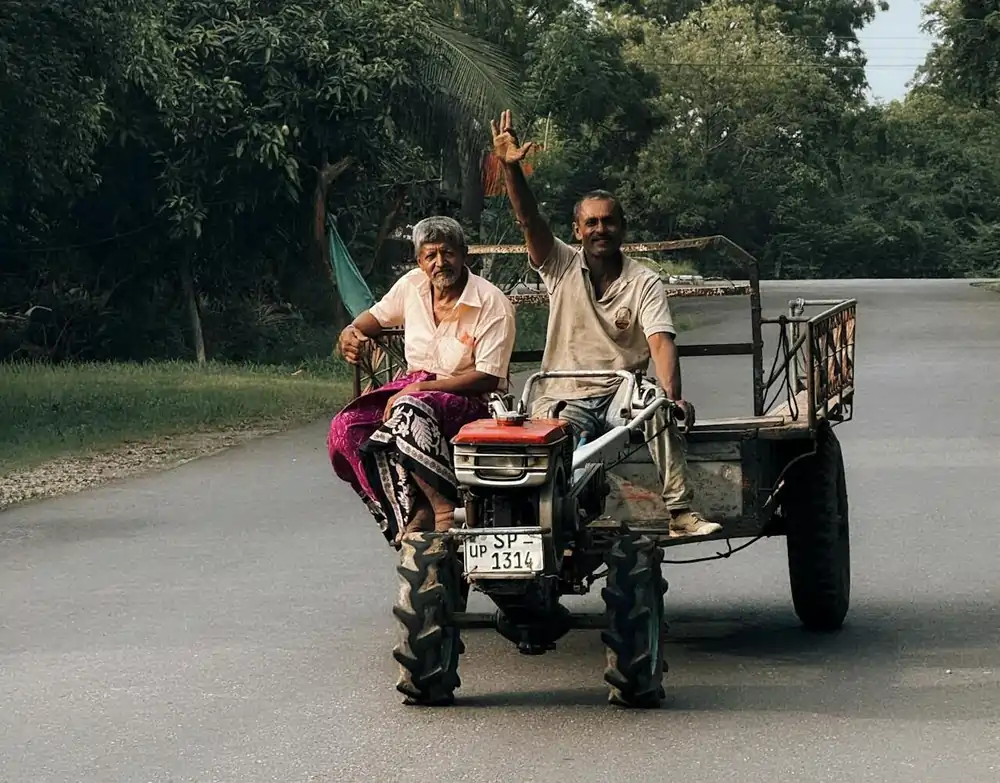
This one sounds touristy, but bear with us. When done right, it’s anything but. In the villages around Dambulla in the North Central Province, local tuk-tuk drivers, often young men from the village itself, offer informal tours of their communities: temples that don’t appear in guidebooks, small family-run spice gardens, village schools at the end of the day, and roadside stalls selling food you’d never find in a restaurant.
What makes it community-based in the truest sense is that your driver is also your host. He’ll introduce you to his cousin, who makes toddy from a palm tree behind his house, or take you to the local kovil just as evening prayers begin. This is authentic Sri Lanka as a living, breathing daily reality: not curated, not cleaned up, and genuinely moving in its ordinariness.
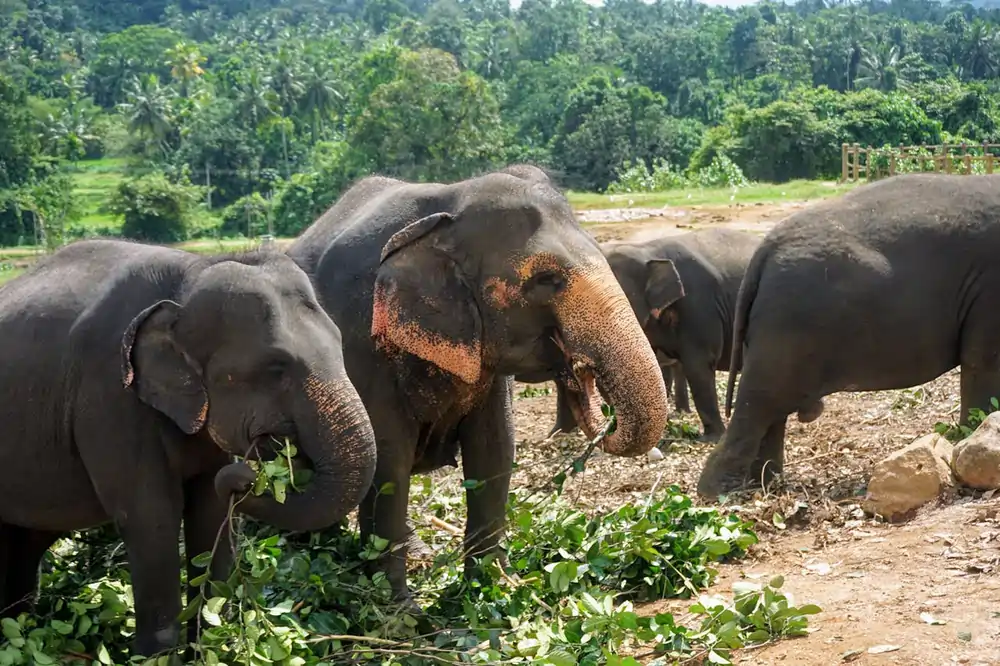
8. Elephant Conservation and Community Visits
Sri Lanka has a complicated history with elephant tourism, and it’s worth being discerning. The operations worth supporting are those that combine elephant conservation with direct community benefit, where the local community is employed, educated, and financially invested in the elephants’ protection.
Near Habarana and Kaudulla, several responsible programs exist where visitors can observe elephants in their natural habitat (no riding, no chaining) while learning from local naturalists and conservation workers from the surrounding villages. These authentic Sri Lanka wildlife encounters are richer for their honesty. You’ll hear about human-elephant conflict, see the patchwork of farmland and wilderness where both species try to coexist, and understand why community buy-in is the only real path to long-term conservation.
9. Mask-Carving Workshops
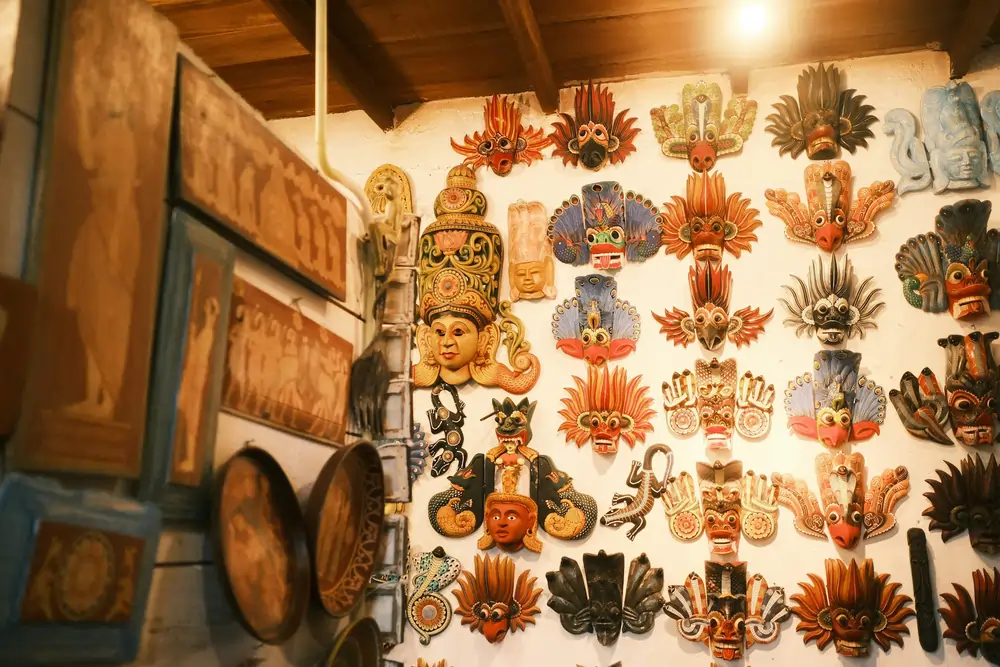
The small coastal town of Ambalangoda on Sri Lanka’s southwest coast is the home of traditional Kolam and Sanni dance masks: vivid, expressive creations used in ritual dances and ceremonial performances. The craft has been passed through families here for generations, and a handful of these families now offer community-based workshops where visitors can watch and participate in the carving process.
The masks are carved from wood, painted in natural pigments, and each design carries a specific cultural meaning: some ward off evil spirits, others tell comic or tragic stories from Sinhalese folklore. Spending a morning in the workshop, chisel in hand, next to a master carver who learned from his father, is one of those authentic Sri Lanka encounters that feels like a privilege. You won’t need to visit the museum afterwards. You’ll have already lived the history.
10. Spice Garden Visits and Farmer Stays
The Matale district, north of Kandy, is Sri Lanka’s spice heartland, growing cinnamon, cloves, cardamom, nutmeg, and pepper in abundance. Commercial spice garden tours exist all over the region, but the community-based alternative is simply better: visiting a farming family on their actual working land is something else entirely.
Some families in Matale now take in a small number of guests for one or two nights, where you eat with them, walk their land, and learn to identify every plant by sight and smell. You’ll discover that the cinnamon used in Australian supermarkets is often not ‘true cinnamon’ at all. The real thing, freshly scraped and dried, smells nothing like what you’ve been buying. Authentic Sri Lanka spice culture is one of the country’s great undiscovered tourism assets, and these farm stays are its best expression.
11. Traditional Music and Dance Evenings With Local Artists
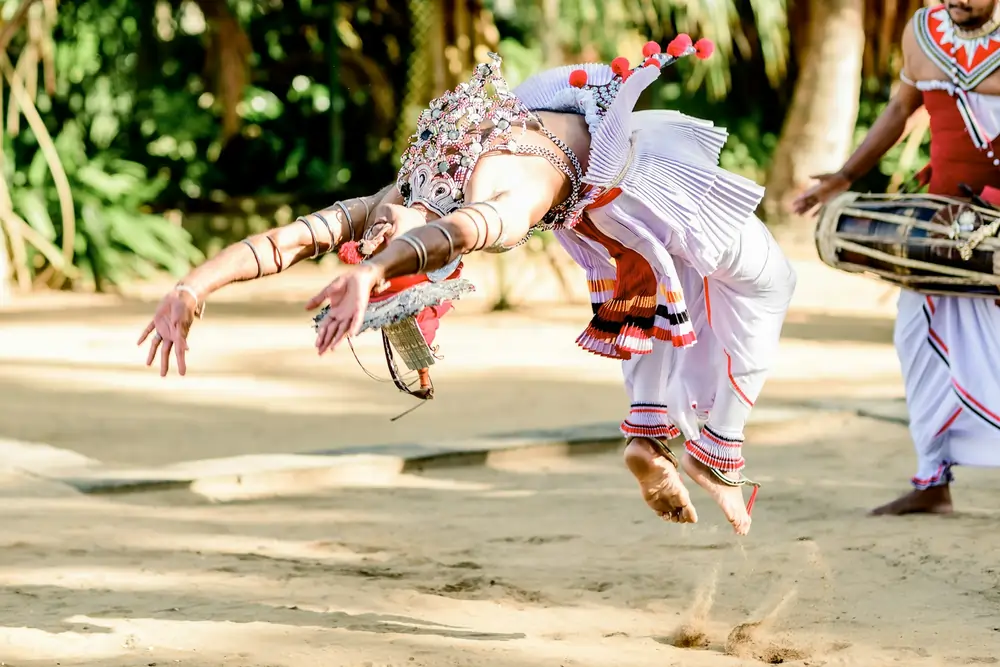
Rather than watching a polished cultural show staged for tourists in a hotel ballroom, seek out the community-based performance programs operating in cities like Kandy, Galle, and Colombo, where local artists present traditional Kandyan drumming, Bharatanatyam, and Kolam dance in small, intimate settings, sometimes in the artists’ own homes or community halls.
These evenings often include a demonstration, a brief explanation of the history and symbolism, and an opportunity to try the drumming yourself (spoiler: it’s harder than the professionals make it look). The authentic Sri Lanka performing arts tradition is incredibly rich, deeply tied to Buddhist and Hindu ceremonial life, and almost impossible to appreciate fully from the distance of a hotel auditorium. Getting close changes everything.
12. Community-Based Turtle Conservation on the South Coast
Sri Lanka’s southern coastline, particularly around Rekawa, Tangalle, and Kosgoda, is one of the Indian Ocean’s most important nesting sites for multiple species of sea turtle, including the rare and ancient leatherback. Several decades ago, egg poaching was rampant. Today, community-based conservation programs run by local families have dramatically reversed the trend.
Late-night nest monitoring is the heart of these programs: you walk the beach in the dark alongside local conservationists, watch hatchlings make their way to the sea, and understand why the people who once harvested these eggs are now among their fiercest protectors. This transformation, driven by community-based economic incentives, is one of the most hopeful stories in authentic Sri Lanka conservation, and witnessing it in person is genuinely moving.
How to Find Authentic Sri Lanka Community-Based Experiences Near Your Itinerary
A common question from Australian travellers is, “How do I find these experiences without accidentally booking a simulation?” It’s a more important question than it might seem, because the gap between a genuine community-based encounter and a tourist-facing imitation can be wide, and from the outside, they can look almost identical.
The answer is straightforward: use a specialist who knows the difference.
Generic booking platforms rarely vet the community credentials of the experiences they list. An operator claiming to offer an ‘authentic village experience’ may simply be a regional tour company with a scripted program, a fixed route, and no meaningful connection to the people living there. The families involved might be paid a flat fee to perform their daily routine for visitors, with the bulk of the booking fee absorbed by a middleman.
The real thing looks different. It’s slower. It’s less polished. The host might not speak perfect English, the kitchen might be smaller than you expected, and lunch might not arrive at a predictable time. But the connection is genuine, the benefit is direct, and the memory lasts considerably longer than any curated experience ever could.
Finding these programs requires local knowledge built over time, trust-based relationships with families and cooperatives who don’t advertise online, and an itinerary flexible enough to weave these encounters in naturally rather than bolting them on as optional extras. That combination is genuinely hard to replicate through a booking platform, no matter how sophisticated the filters.
What Makes Authentic Sri Lanka Different From Other Destinations
Travellers who’ve explored Southeast Asia, India, or the Pacific often describe authentic Sri Lanka as something distinct: less pressured than India, more culturally layered than Bali, and far less discovered than it deserves to be. The island punches well above its weight for a destination of 65,610 square kilometres.
Part of what makes it special is the compactness. Unlike destinations where community-based experiences might require a long overland journey into remote areas, in Sri Lanka, you can move between the coast, the hill country, the cultural triangle, and the ancient cities, all within a two-week itinerary and without feeling rushed. A morning fishing in Negombo can be followed by an afternoon at Sigiriya. Cooking with a village family near Matale is an hour’s drive from the botanical gardens at Peradeniya.
But what really sets authentic Sri Lanka apart is the people. The country’s multi-ethnic, multi-religious character, embracing Sinhalese, Tamil, Moor, and Burgher communities, Buddhist, Hindu, Muslim, and Christian communities. This means cultural encounters are genuinely diverse within a single trip. Two villages thirty kilometres apart can have entirely different festival calendars, different foods, different architectural traditions, and different musical forms. For curious travellers, that layering is endlessly rewarding.
Practical Tips for Community-Based Travel in Authentic Sri Lanka
Before you go, a few things worth knowing:
- Dress respectfully. Many community-based experiences take place in or near religious sites. Covering your shoulders and knees is not just polite. It’s genuinely appreciated.
- Bring small cash. Many artisan cooperatives and family-run programs don’t accept card payments. Having small-denomination rupees means you can buy directly from makers without the middleman margin.
- Learn a few words of Sinhala. ‘Ayubowan’ (may you live long) as a greeting will earn you more genuine smiles than any amount of tourist-trail charm. Practice basic Sinhala phrases.
- Be genuinely curious, not performatively so. Communities that welcome visitors can tell the difference between someone really interested and someone going through the motions. Ask real questions. Listen to real answers.
- Travel in the right season. Sri Lanka has two monsoon systems operating on different coasts, so timing matters for which regions are accessible. A good specialist will plan your authentic Sri Lanka itinerary around the weather, not despite it.
- Allow flex time. The best community-based encounters aren’t always scheduled. They happen when you stop at the right roadside, accept an invitation for tea, or follow curiosity down a side street. An itinerary with breathing space lets these moments happen.
How Australians Are Discovering Authentic Sri Lanka Differently
The Australian travel market has a particular affinity for authentic Sri Lanka, and proximity helps too. Ultimately, it’s a values alignment.
Australian travellers, broadly speaking, bring curiosity, directness, and a preference for quality over quantity. They’re not interested in being herded through attractions on a coach. They want real encounters. They want to eat the food that locals eat, see the places locals go, and come back with stories that aren’t identical to everyone else’s Sri Lanka photos.
Community-based tourism in Sri Lanka aligns perfectly with that mindset. It’s meaningful travel: the kind that generates stories, changes perspectives, and occasionally makes you quietly reconsider your own priorities. What feedback do we consistently hear from Australian travellers who’ve done these experiences through a bespoke operator? ‘I wish we’d had more time.’ That’s why it pays to plan properly with a specialist who knows which authentic Sri Lanka programs are genuinely community-led and which are simply branded that way.
Sesatha Travel’s team includes people who’ve lived in Sri Lanka and travelled its regions deeply. When they recommend a cooking class or a village homestay, it’s because they’ve sat at those tables themselves. That’s the difference between a genuine recommendation and a listing on a booking platform.
Ready to Experience Authentic Sri Lanka? Let’s Start Planning Your Trip
The 12 experiences in this guide represent something that no highlight reel can fully capture: the feeling of being genuinely welcome somewhere, of contributing something positive, and of coming home changed in a way that’s hard to put into words but very easy to feel.
Authentic Sri Lanka is waiting for you. The fishing boats leave before dawn. The cooking fires are lit before breakfast. The turtle monitors will be on the beach whether you’re there or not. If you are, you’ll never forget it.