



What Makes Sri Lanka One of the Best All-Year-Round Holiday Destinations?
Most travellers assume tropical countries have one wet season and one dry season, full stop. Sri Lanka doesn’t play by those rules. Thanks to its position near the equator and its two separate monsoons, the island effectively runs on two clocks at once. While the west and south coasts are drenched, the east coast can be bone dry and glorious, and vice versa a few months later.
This is exactly why Sri Lanka earns its spot among the best all-year-round holiday destinations. There is no single closed season here. If you time your trip well, and know which coast to head to, you can find sunshine, calm seas and clear skies somewhere on the island in literally any month of the calendar.
It also means the best time to visit Sri Lanka isn’t a fixed answer. It depends entirely on what you want from your trip: a beach holiday, a cultural tour through ancient cities, a wildlife safari, or a surf trip to the east coast. That flexibility is a huge part of what makes this island one of the more forgiving and genuinely rewarding, all-year-round holiday destinations for Australian travellers.
Best Time to Visit Sri Lanka: Understanding the Two Monsoon Seasons
Here’s the bit that trips a lot of first-time visitors up. Sri Lanka has two monsoons, not one. The Yala monsoon hits the south-west coast roughly from May to September, bringing heavier rain to Colombo, Galle, Bentota, Mirissa and the hill country. The Maha monsoon then swings around and drenches the north-east coast, around Trincomalee and the Jaffna peninsula, from October through to January.
What this means in practice is that the best time to visit Sri Lanka’s west and south coasts is December through March, when the skies are clear, the seas are calm, and the beaches are postcard perfect. Meanwhile, the best time to visit Sri Lanka’s east coast, including Trincomalee and Arugam Bay, actually falls between May and September, exactly when the south is coping with its rain.
It’s a genuinely clever bit of geography, and it’s the whole reason Sri Lanka can call itself one of the best all-year-round holiday destinations rather than a place with one short tourist window. You just need to know which half of the island to point yourself towards.
For an authoritative look at rainfall and seasonal patterns, the Sri Lanka Department of Meteorology publishes detailed monsoon data that’s worth a browse if you’re a weather nerd like some of our team.
Best Time to Visit Sri Lanka by Region
West and South Coast: December to March
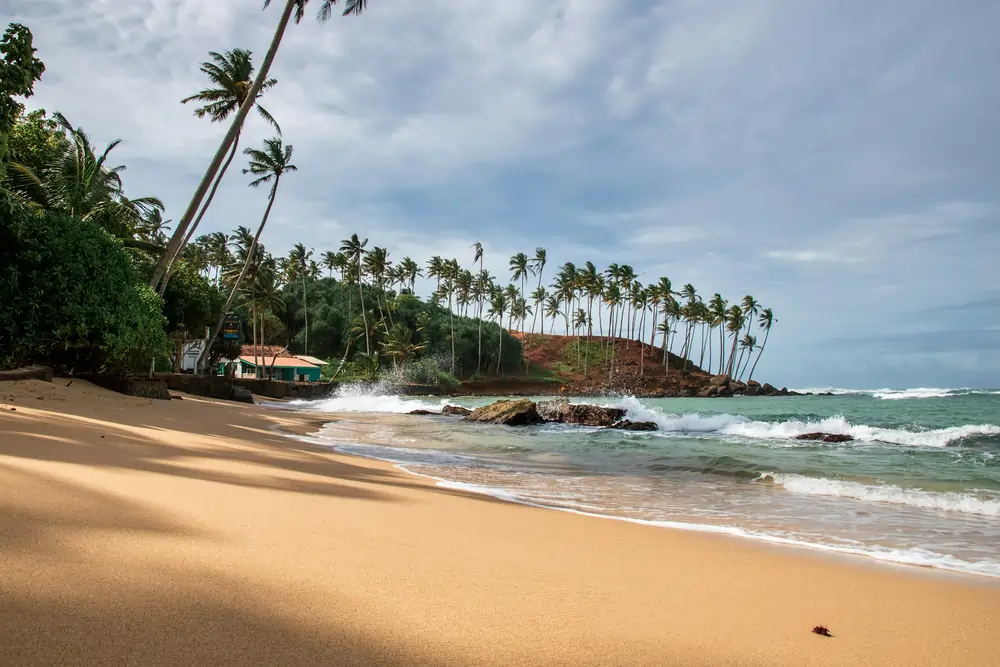
If beaches, snorkelling and lazy sundowners are what you’re after, the best time to visit Sri Lanka’s west and south coast runs from December to March. Expect blue skies, warm turquoise water, and calm conditions perfect for swimming at spots like Bentota, Hikkaduwa and Mirissa. This is also peak whale watching season, with blue whales and sperm whales regularly spotted off Mirissa’s coastline.
East Coast: May to September
Flip the calendar around, and the east coast comes into its own. The best time to visit Sri Lanka’s Trincomalee and Arugam Bay region is firmly May to September, when the seas are glassy, and the surf breaks are firing. Arugam Bay in particular becomes a magnet for surfers from all over the world during these months, while Trincomalee’s beaches and snorkelling spots are at their absolute best.
Hill Country: January to April and July to September
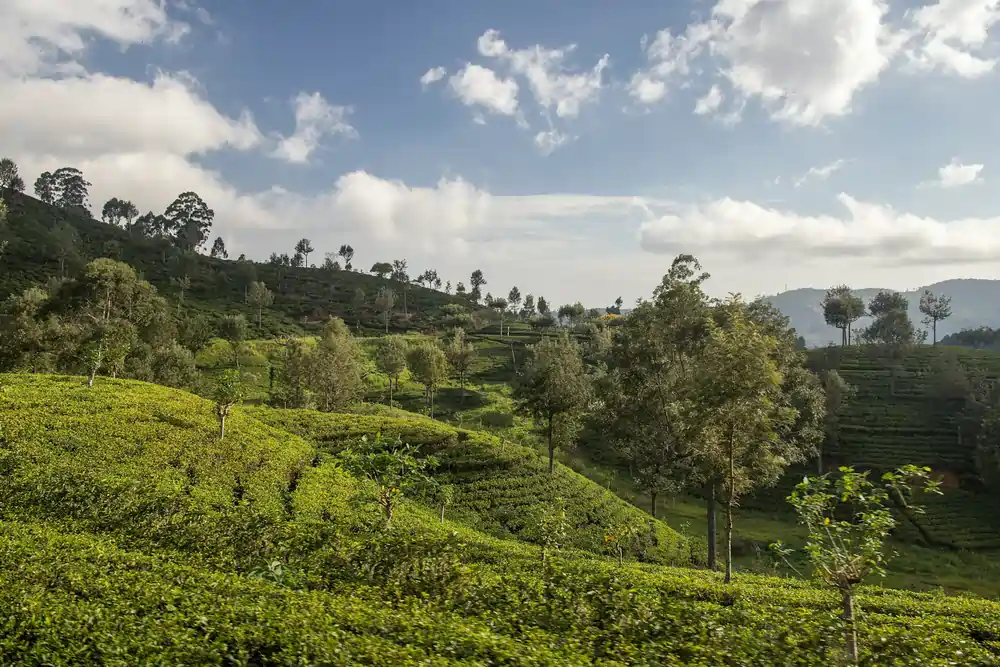
Up in the hills around Ella, Nuwara Eliya and Kandy, the weather behaves a little differently again. The cooler months of January through April tend to bring the clearest skies for hiking and train rides, while a second window from July to September also offers good visibility. Misty mornings are common year-round up here, which is honestly part of the charm.
Cultural Triangle: January to September
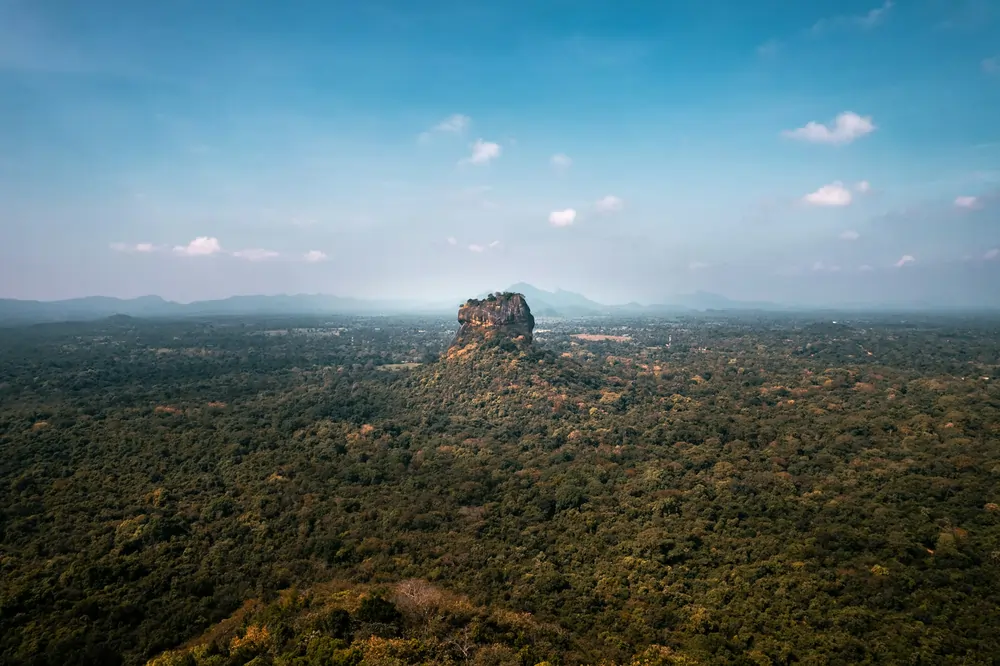
Sigiriya, Polonnaruwa and Anuradhapura sit inland and are relatively dry for much of the year, which is why the cultural triangle is one of the more forgiving regions to visit outside the narrow peak season. January through September generally offers reliable weather for exploring ancient temples and climbing Sigiriya Rock Fortress without melting in the process.
Best Time to Visit Sri Lanka Month by Month
January to March
This stretch is widely considered the best time to visit Sri Lanka overall, particularly if you’re planning a trip that combines beaches, culture and wildlife into one itinerary. The west and south coasts are dry, the cultural triangle is pleasant, and it’s peak whale watching season off Mirissa. It’s also peak tourist season, so book early if you want the good hotels.
April
April brings the Sinhala and Tamil New Year, a genuinely beautiful time to experience local culture, though it can get busy with domestic travellers heading home. Weather-wise, it’s a transitional month across most of the island, with the first hints of the coming monsoon starting to show in the south-west.
May to July
This is when the east coast really shines. If surfing, snorkelling or simply escaping the crowds is your priority, the best time to visit Sri Lanka’s Arugam Bay and Trincomalee region is right here. The south-west coast will be wetter during these months, though short, sharp tropical downpours rather than constant grey skies are the norm.
August
August brings the spectacular Esala Perahera festival in Kandy, a ten-day parade of drummers, dancers and decorated elephants honouring the sacred tooth relic. If cultural immersion tops your list, this is genuinely one of the most memorable times of year to be on the island, rain or shine.
September
September is something of a sweet spot. The east coast is still glorious, the south-west is starting to dry out, and crowds are noticeably thinner than the December to March peak. It’s a favourite among our more budget-conscious clients who still want reliable weather without the premium pricing.
October to November
This is the island’s shoulder season, and honestly, a bit of a hidden gem. Rain is more likely, particularly in the north-east, but prices drop and the crowds thin right out. If flexibility isn’t an issue and you don’t mind the occasional downpour, this window can deliver excellent value.
December
December wraps the year up beautifully, with the west and south coasts drying out just in time for the festive season. It’s genuinely one of the most popular months to visit, especially for Australian families travelling during the summer school holidays, so early booking is essential.
Best Time to Visit Sri Lanka for Specific Experiences
Whale Watching Season
If spotting a blue whale is on your bucket list, the best time to visit Sri Lanka for whale watching is between November and April, with peak sightings off Mirissa from December through March. Sperm whales and dolphins are common companions on these tours too.
Surfing
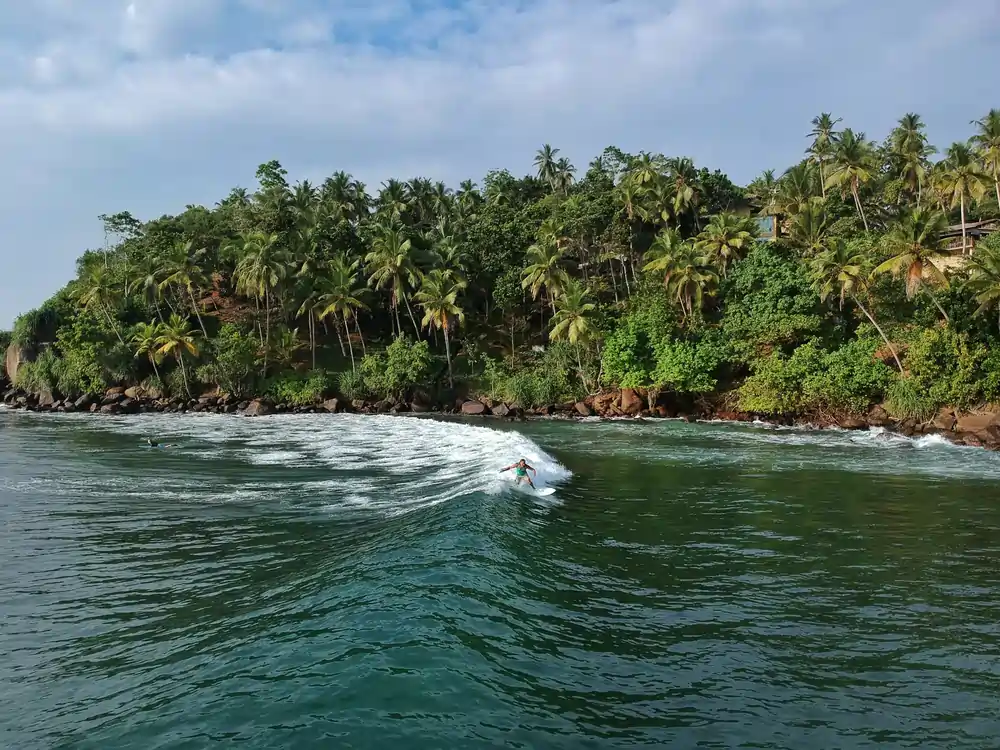
For wave chasers, the best time to visit Sri Lanka depends entirely on the coast. Hit the south around Weligama and Midigama from November to April, then swing over to Arugam Bay from May to September for the east coast’s famous point break.
Wildlife Safaris
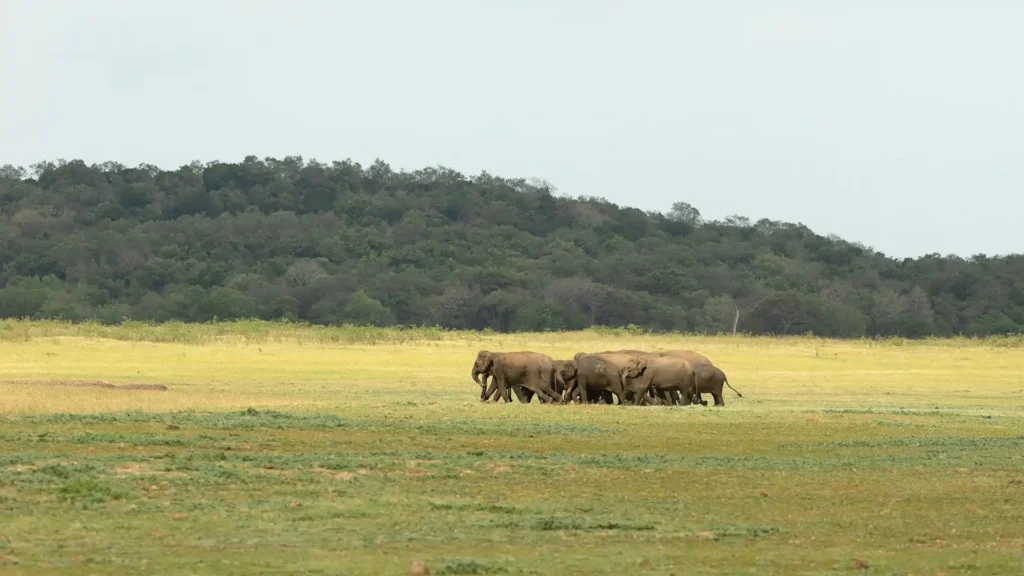
Yala and Udawalawe national parks are open most of the year, though the dry months from February to July tend to draw animals closer to the remaining waterholes, making leopard and elephant sightings noticeably easier.
Festivals and Culture
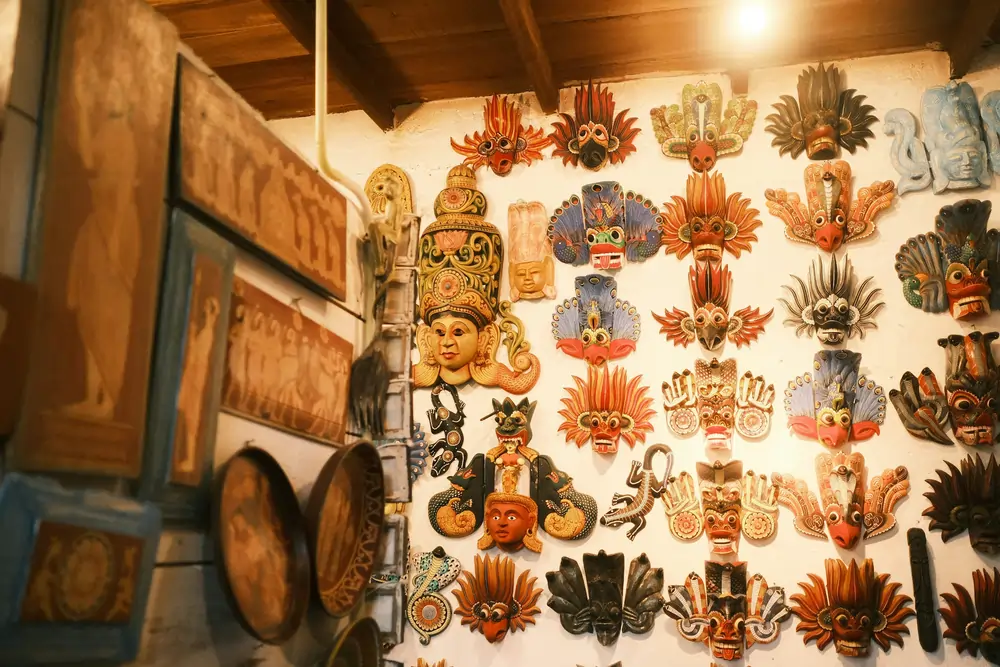
Timing a trip around the Esala Perahera in August, or the Sinhala and Tamil New Year in April, adds a layer of cultural richness that’s genuinely hard to replicate outside these windows.
Sri Lanka vs Other all-year-round Holiday Destinations: How It Compares
Bali, Thailand and Fiji all get thrown around as reliable all-year-round holiday destinations, and to be fair, they’ve each got their charms. But none of them quite match Sri Lanka’s split-monsoon advantage. Bali essentially runs on one wet season and one dry season, full stop, and Thailand’s regions largely follow a similar single pattern.
Sri Lanka is different. Because the best time to visit Sri Lanka changes depending on which coast you’re standing on, you’re never actually locked out of good weather. That dual system is rare, and it’s a big part of why seasoned travellers rank the island among the more genuinely flexible all-year-round holiday destinations rather than a place with one narrow booking window and eleven months of compromise.
There’s also the sheer variety packed into a relatively small island. Beaches, misty tea country, ancient cities and wildlife parks all sit within a few hours’ drive of each other, so even if the coast you’d planned for turns rainy, there’s almost always a backup region nearby with better conditions.
Best Time to Visit Sri Lanka for Honeymoons and Family Trips
Planning something a little more personal changes the calculation slightly. For honeymooners chasing golden sunsets and quiet beach dinners, the best time to visit Sri Lanka is generally February to March, when the south coast is dry but the December crowds have thinned out, and prices have softened a touch.
Families travelling during the Australian summer holidays will find the best time to visit Sri Lanka lines up conveniently with December and January anyway, meaning school holidays and Sri Lanka’s dry season happily overlap. Just be prepared to book accommodation and flights well ahead, since this window is popular with travellers from across the globe, not just Australia.
If you’re chasing a quieter, more affordable version of that same family trip, shifting your dates to late September or early October often gets you the same warm, dry conditions with noticeably smaller crowds at the major attractions.
All-Year-Round Holiday Destinations Near Me: Finding the Right Australian Travel Agency
If you’ve searched for “all-year-round holiday destinations near me” or “Sri Lanka travel agency near me”, you’ve probably landed on a long list of generic booking sites promising the world. The trouble is, very few of them actually understand the nuance of Sri Lanka’s dual monsoon system, which means plenty of Australians end up booking the wrong region at the wrong time.
This is where working with a genuine Sri Lanka specialist pays off. When you’re comparing all-year-round holiday destinations near me, look for an agency that’s Australian-owned, ATIA accredited, and staffed by people who actually know the difference between the Yala and Maha monsoons, not just a call centre reading from a script.
At Sesatha Travel, we’re proudly Australian-owned and led by a Sri Lankan-born founder who has spent a lifetime understanding exactly when and where to send Australian travellers. Whether you’re chasing sun in July or December, we’ll steer you towards the coast that’s actually having good weather, not just the one that’s easiest to sell.
For official government travel advice before you book, the Smart Traveller website is worth checking for entry requirements and safety updates specific to Sri Lanka.
Best Time to Visit Sri Lanka vs Peak Tourist Season: Pros and Cons
It’s worth separating two ideas that often get muddled together: the best time to visit Sri Lanka weather-wise, and the busiest, most expensive time to visit. They’re not always the same thing.
December through March is both the best time to visit Sri Lanka’s west and south coasts and the peak tourist season, meaning higher prices, busier beaches and hotels booked out months in advance. If you can travel during shoulder months like September or October, you’ll often get similarly decent weather with noticeably fewer crowds and softer prices.
On the flip side, chasing the best time to visit Sri Lanka’s east coast in the northern hemisphere summer months means you’re travelling against the grain of typical Australian holiday patterns, which can actually work in your favour with better availability and pricing.
How Sesatha Travel Helps You Pick the Best Time to Visit Sri Lanka
We’ll be honest: plenty of travel agencies will tell you any time is a great time to visit, mostly because they want to sell you something. We’d rather give you the real picture, because a trip planned around the wrong season can mean rained-out safaris or flat, disappointing surf.
That’s why every custom itinerary we build starts with a conversation about what you actually want from your trip, and when. If a family wants a classic Sri Lanka holiday package covering beaches, culture and wildlife, we’ll steer them towards the December to March window. If a couple is after quiet beaches and don’t mind a bit of rain, September or October often makes more sense.
For wildlife-focused travellers, our Ceylon Safari Adventure is best timed for the dry months when animals gather near waterholes. At the same time, our Sri Lanka Island Explorer is flexible enough to work across most of the year, since it blends coast, hill country and cultural triangle stops.
If none of our set packages quite fit, our bespoke tours service builds an itinerary entirely around your preferred travel dates, matching the right regions to the right weather window so an unexpected downpour never catches you out.
Which Season Is Right for You? A Quick Checklist
Still not sure when to book? Run through these questions, and the answer usually becomes obvious.
Are you travelling during the Australian summer school holidays and want guaranteed sunshine on the south coast? December to March is your best bet; just book early.
Do you want to surf, snorkel or explore the east coast without the crowds? Aim for May to September and head straight for Arugam Bay or Trincomalee.
Is your budget the top priority, with weather being a secondary concern? Shoulder months like September, October and April tend to offer the best value.
Do you want to witness a major cultural event? Plan around the Esala Perahera in August or the Sinhala and Tamil New Year in April.
Whatever you decide, understanding these patterns means you’ll never accidentally book a beach holiday on the wrong coast during the wrong monsoon, which happens more often than you’d think.
Start Planning Your Sri Lanka Tour
At the end of the day, there’s no single wrong answer to when you should visit Sri Lanka, but there is a smarter answer depending on what you’re after. Understanding the best time to visit Sri Lanka region by region means you can chase sunshine almost any month of the year, which is exactly why this island deserves its reputation as one of the best all-year-round holiday destinations on the map.
Our team has spent years matching Australian travellers to the right season, the right coast and the right experience, and we genuinely love helping people avoid the rookie mistakes that come from guessing.
Ready to find your perfect window? Talk to a Sri Lanka expert today, or get your custom itinerary started, and let’s turn your dream trip into a confirmed booking.