



Why Camping in Sri Lanka is the Adventure Australians Should Wake Up To
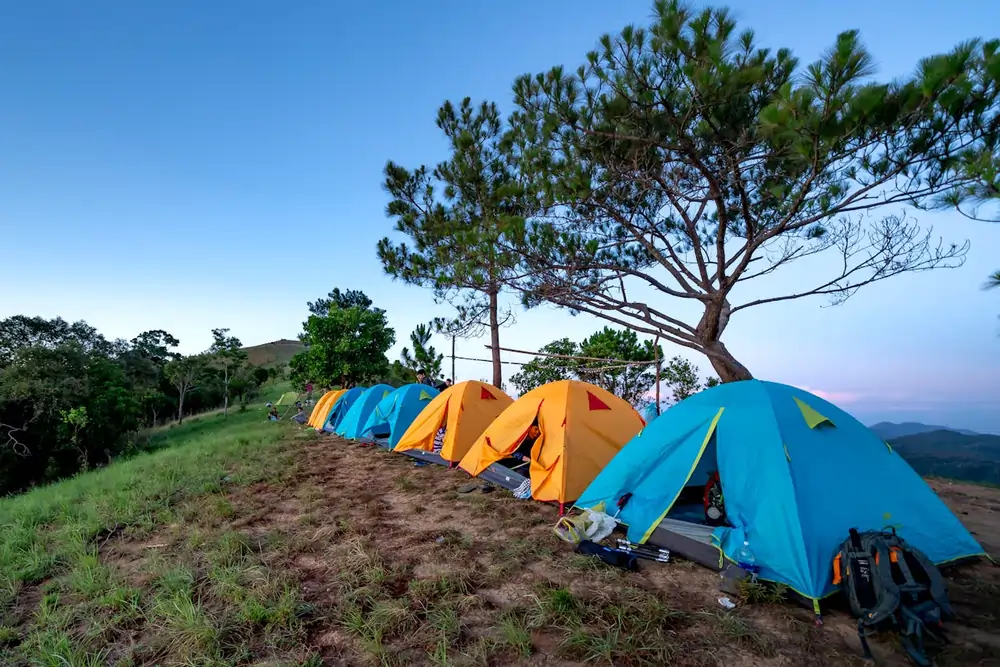
Most people who come to Sri Lanka stay in a guesthouse or a boutique hotel. And those places are genuinely lovely. But the travellers who come back raving, who immediately start planning a return trip, are often the ones who spent at least a few nights camping in Sri Lanka’s national parks or hill country.
Here is why it works so well for Australians specifically. We already understand outdoor living. We camp in national parks at home, we road trip the Great Ocean Road, we do multi-day hikes in the Grampians or Cradle Mountain. That cultural comfort with the outdoors translates brilliantly to Sri Lanka, except here the wildlife is on a different scale entirely.
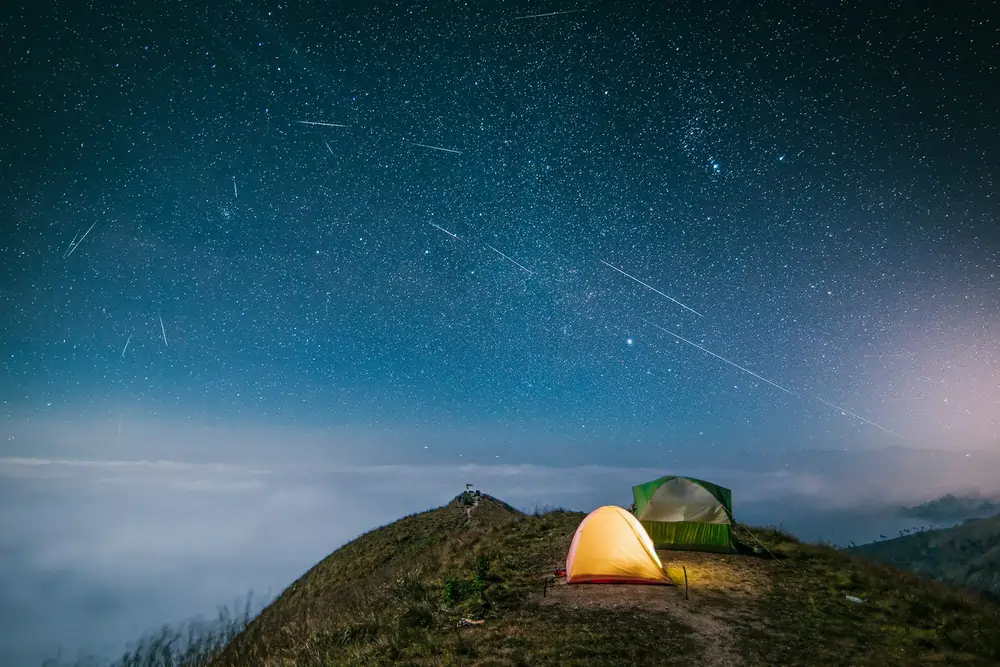
Camping in Sri Lanka also puts you in the right place at the right time. Dawn safaris in Yala or Wilpattu are dramatically better when you are already inside the park gates as the sun comes up, rather than rushing in from a hotel forty minutes away. The light is different. The animals are active. The silence, before other vehicles arrive, is extraordinary.
There is also the cost side of things. Camping in Sri Lanka is genuinely affordable. Quality glamping setups inside national parks start from around AUD $80 to $150 per night for two people, often including meals. Compared to luxury lodges charging $500+ per night, camping lets you extend your Sri Lanka travel itinerary without blowing the budget, and you get a richer, more immersive experience.
The Best Camping Spots in Sri Lanka
Sri Lanka packs an extraordinary range of landscapes into a country roughly the size of Tasmania. Your Sri Lanka travel itinerary can move from wild leopard territory in the south to misty tea highlands in the centre to pristine beaches on the east coast, all within a two-week trip. Here are the standout camping destinations.
1. Yala National Park
Yala is the most visited national park in Sri Lanka for good reason. It has the highest density of leopards of any national park in the world. Camping in Sri Lanka does not get more dramatic than falling asleep to the sounds of Yala at night, the distant call of a peacock, elephants moving through the bush, and the occasional rustle that makes you very glad you are in a well-pegged tent.
Several established glamping operators work inside or directly adjacent to Yala’s buffer zone, offering comfortable tented camps with proper beds, bush showers, and fire pits. If you are building your Sri Lanka travel itinerary and want one experience that absolutely guarantees a story to tell back home in Sydney or Melbourne, spend two nights camping in Yala.
Best time: February to July when Block 1 is open, and wildlife concentrates around water holes.
2. Wilpattu National Park
If Yala is the rock star, Wilpattu is the hidden gem. Located in the northwest of the island, Wilpattu is Sri Lanka’s largest national park and arguably its most atmospheric. The landscape is defined by natural lakes called villus, surrounded by dense forest. Leopards are here too, along with sloth bears, elephants, and a staggering variety of birdlife.
Camping in Sri Lanka’s Wilpattu gives you something Yala cannot always offer: genuine solitude. There are far fewer jeep safaris competing for sightings, and the camp atmosphere at sunset feels genuinely remote. For travellers from Brisbane or Perth who already love wide open spaces, Wilpattu feels right.
3. Knuckles Mountain Range
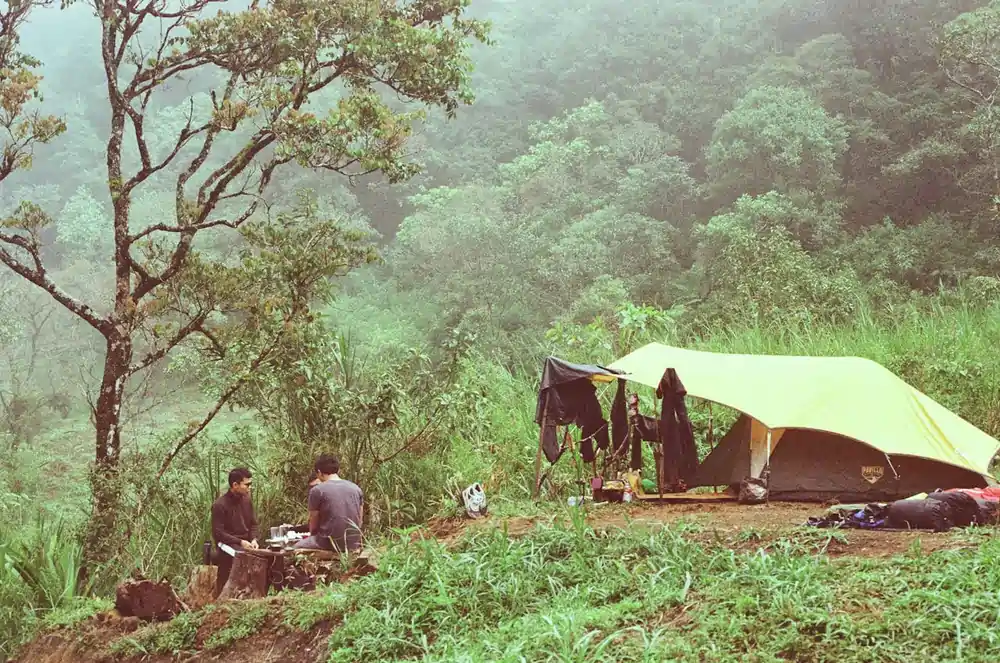
The Knuckles, named for the ridge profile that resembles a closed fist, is a UNESCO World Heritage-listed mountain range in the central highlands. This is where camping in Sri Lanka takes on a completely different character. Cloud forest, waterfalls, leeches in the wet season (yes, pack gaiters), and trails that reward serious hikers with spectacular payoff views.
Multi-day treks through the Knuckles with community-run camping stops are increasingly popular with international visitors. Local guides are essential here. The trails are not always well-marked, and a knowledgeable local guide dramatically improves both safety and the richness of the experience. Any good Sri Lanka travel itinerary that includes the highlands should factor in at least one night in the Knuckles.
4. Udawalawe National Park
If elephants are your priority, and for many Australians, they are, Udawalawe is where camping in Sri Lanka becomes completely unforgettable. This park is home to over 600 wild elephants, and sightings are almost guaranteed. Unlike some wildlife destinations where you cross your fingers and hope, Udawalawe delivers consistently.
Camping options around Udawalawe range from budget-friendly tent sites to comfortable eco-lodges with open-air dining. It sits in the south of the island, making it easy to combine with Yala on a Sri Lanka travel itinerary that covers the full southern wildlife circuit in a week or so.
5. Arugam Bay and the East Coast
Not all camping in Sri Lanka involves wildlife parks. The east coast, particularly around Arugam Bay, offers a completely different vibe: laid-back surf culture, turquoise water, and camping right on the beach. During the dry season (May to September on the east coast), this stretch of coastline is genuinely stunning.
Beach camping near Arugam Bay is casual and relatively affordable. Several surf camps offer tent accommodation steps from the water, making it a natural ending point on a Sri Lanka travel itinerary that has moved from the cultural triangle in the north down through the highlands and out to the coast.
Glamping in Sri Lanka
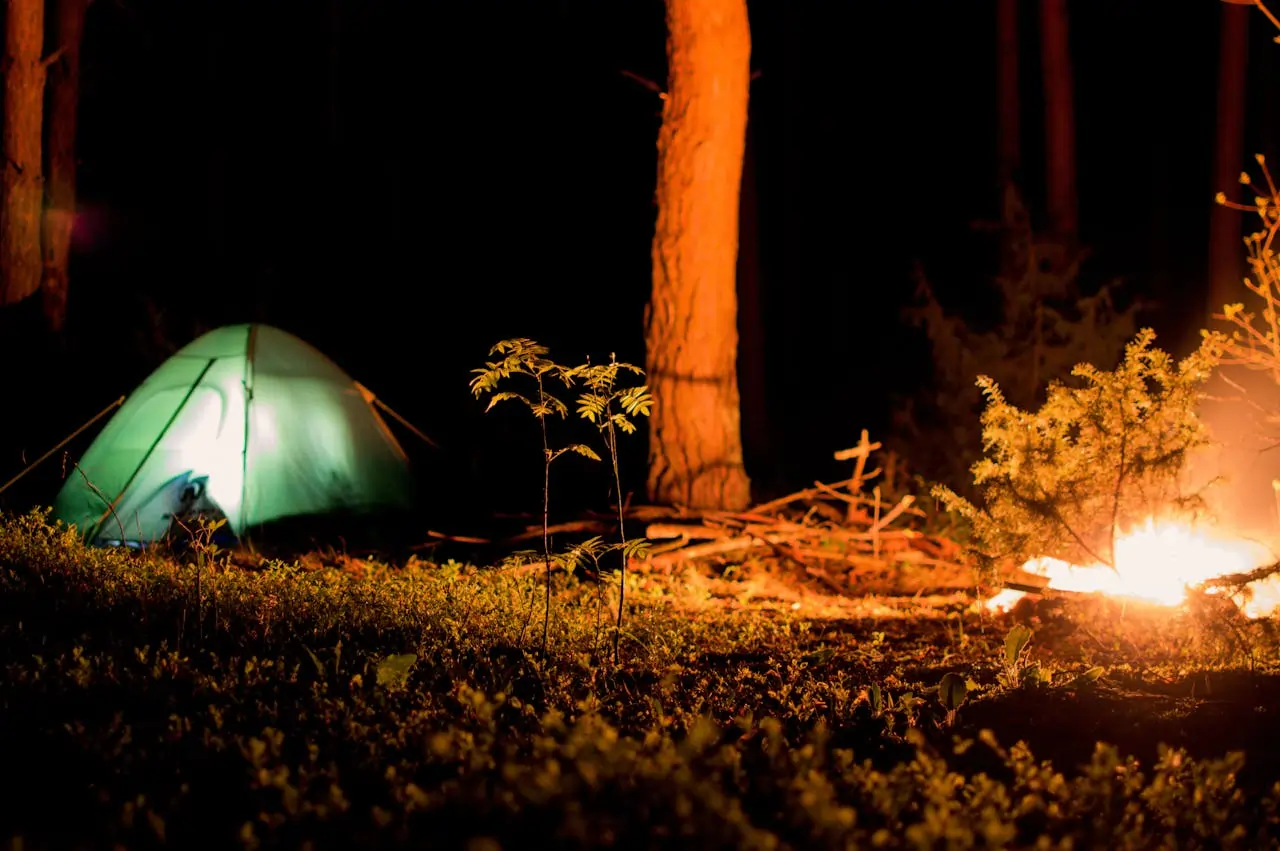
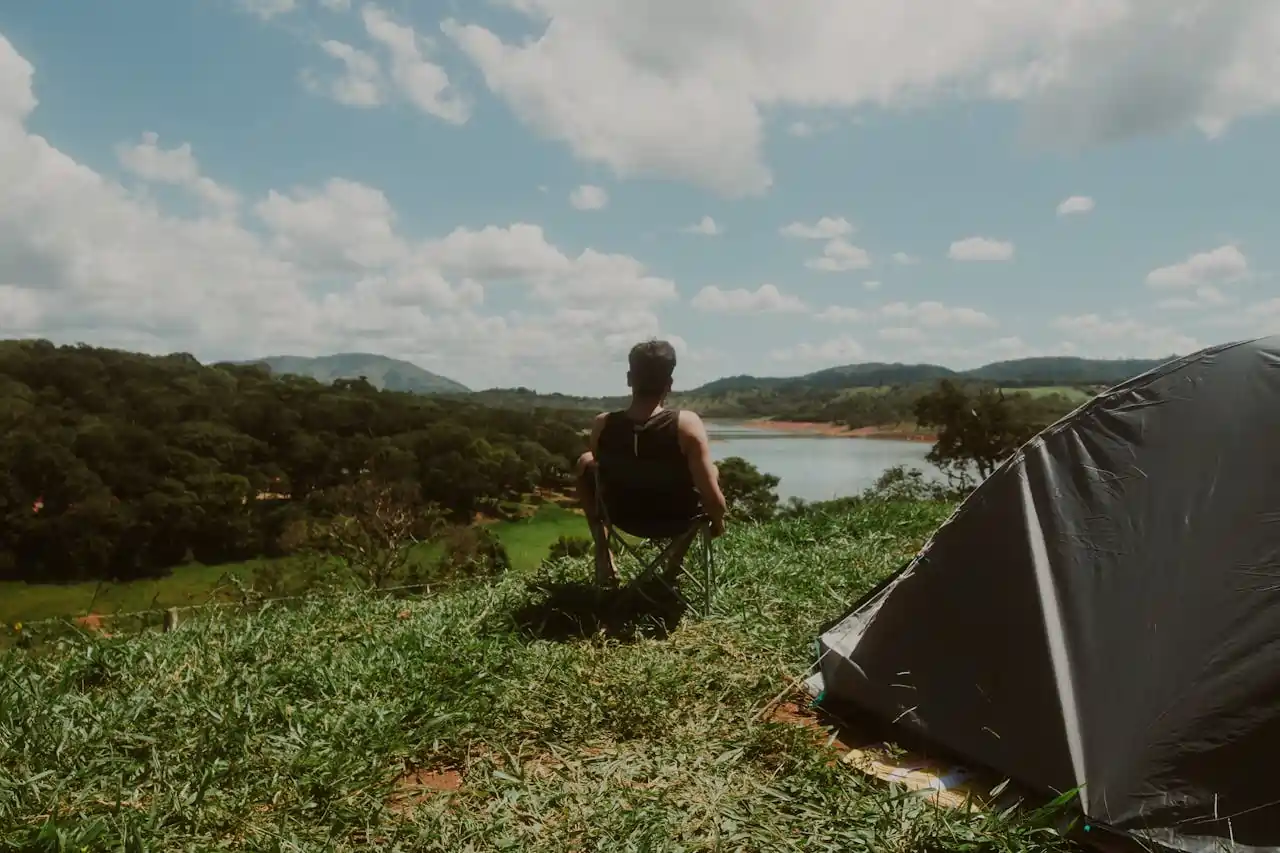
The truth is that camping in Sri Lanka does not have to mean roughing it. Not even close. The glamping scene here has grown significantly over the past several years, and what some of these tented camps offer would surprise people who picture camping as sleeping bags and tinned beans. Proper beds with quality linen, lantern-lit dining tables set up under the stars, and bush chefs who somehow produce extraordinary food from remarkably simple outdoor kitchens. Camping in Sri Lanka at this level is less about enduring the outdoors and more about experiencing it in the best possible way.
For couples celebrating a birthday or anniversary, glamping in Sri Lanka is genuinely romantic in a way that a hotel room rarely is. There is something about the canvas walls, the sounds of the park at night, the total absence of traffic and noise and screens, that creates a kind of stillness you cannot manufacture. Families travelling with younger kids also find glamping hits the sweet spot perfectly. The kids get the adventure, the wildlife, and the campfire stories. The parents get a real bed, a hot shower, and a cold drink at the end of the day. Nobody has to compromise.
What you get with camping in Sri Lanka at a quality glamping camp goes well beyond the accommodation itself. Operators around Yala and Wilpattu typically include morning and evening safari drives in the package price, along with all meals, usually three a day plus snacks and tea. When you start factoring those inclusions in, the numbers shift considerably. A glamping camp charging AUD $180 per night per couple that includes two safari drives, breakfast, lunch, and a three-course dinner around the fire is often better value than a nearby hotel at AUD $120 per night, where you are paying AUD $60 to $80 per person per safari on top. Worth sitting down and doing that maths properly before you book.
The best glamping experiences for camping in Sri Lanka right now are clustered around Yala, Wilpattu, and increasingly Udawalawe. Some operators position their camps inside national park buffer zones, which means the wildlife does not stop at the camp boundary. Elephants wander through. Birds fill the trees at first light. The transition from sleeping to safari is a matter of finishing your coffee and climbing into the jeep. That proximity to the wild is what separates a great camping in Sri Lanka experience from just another night away.
Best Time for Camping in Sri Lanka: Planning Around the Seasons
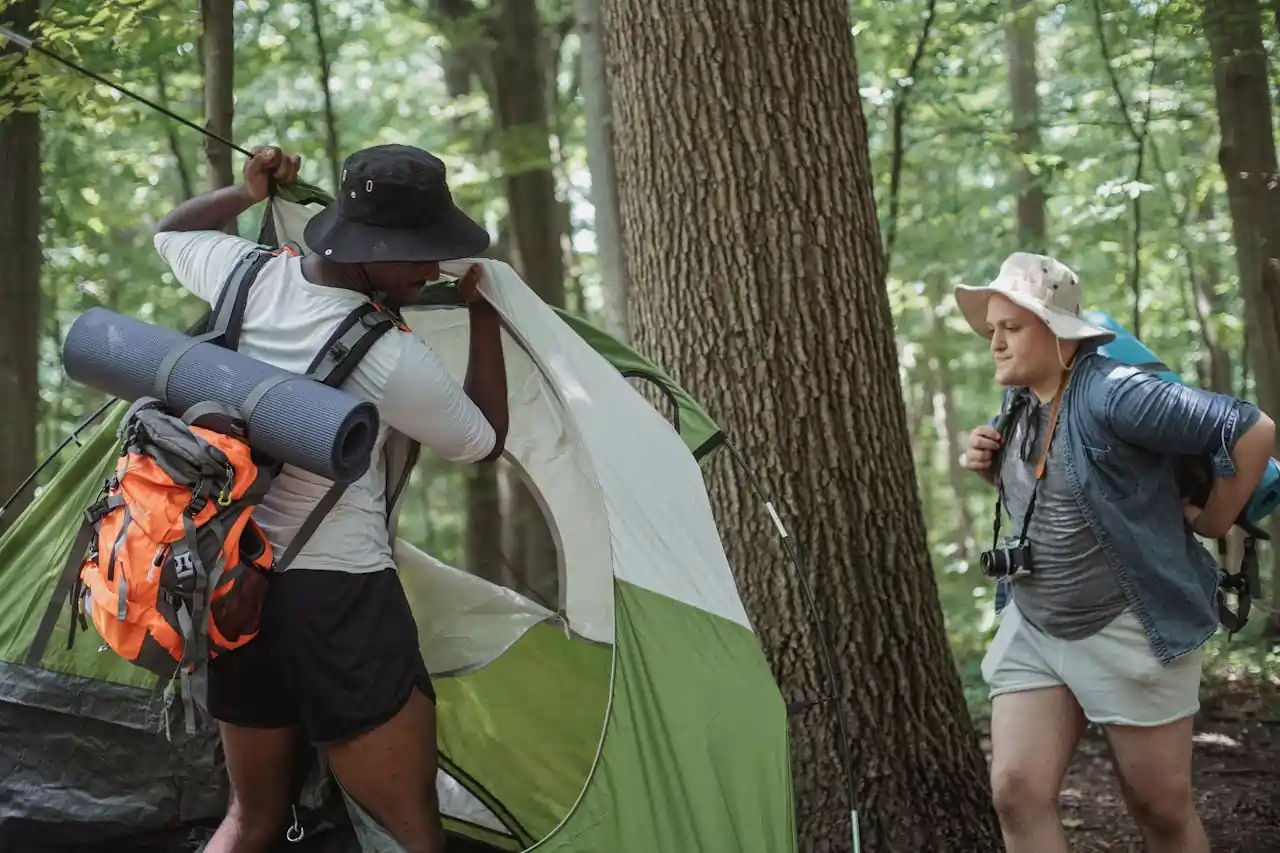
Sri Lanka has two monsoon seasons, which directly affect where and when camping in Sri Lanka is practical. Getting this right in your Sri Lanka travel itinerary planning makes a significant difference to the experience.
November to April: Best for the south and west coasts, Yala, Udawalawe, and the Cultural Triangle. The southwest monsoon has passed, and conditions are dry and sunny.
May to September: Best for the east coast (Arugam Bay), Trincomalee, and Wilpattu. The northeast monsoon has cleared, and the east coast is at its absolute best.
Year-round: The Knuckles and central highlands are broadly accessible year-round, though the wet season brings heavier rain and muddier trails.
For Australians planning around school holidays, the December to January summer aligns well with the dry season across southern Sri Lanka, including Yala, Udawalawe, and Galle. The April school holidays also work well. Booking early is recommended for peak season camping spots, particularly the more popular glamping camps around Yala.
What to Pack for Camping in Sri Lanka
If you are using an established camp operator, they will supply most major equipment: tent, bedding, and cooking gear. But your personal packing list for camping in Sri Lanka still needs some thought. The climate is humid, the insects are a reality, and you want to move comfortably between park and town.
Clothing
- Lightweight long sleeves and long trousers for evenings (mosquitoes, cooler highland temps)
- Neutral or muted colours for safari, avoid bright patterns
- Gaiters, if you are trekking in the Knuckles wet season
- A light layer or fleece for the highlands; Ella and Nuwara Eliya get genuinely cool at night
Health and Safety
- DEET-based insect repellent, non-negotiable
- Sunscreen, hat, and UV-protective clothing for East Coast beach camping
- Basic first aid kit including antihistamine cream and rehydration sachets
- Talk to your GP before departure about malaria prophylaxis for certain regions
Gear and Gadgets
- A quality head-torch with spare batteries, invaluable after dark in any camp
- Binoculars, one pair between two people minimum
- Portable power bank for camera and phone charging
- Dry bags for electronics if trekking in rain-prone areas
Building Your Sri Lanka Travel Itinerary Around Camping and Adventure
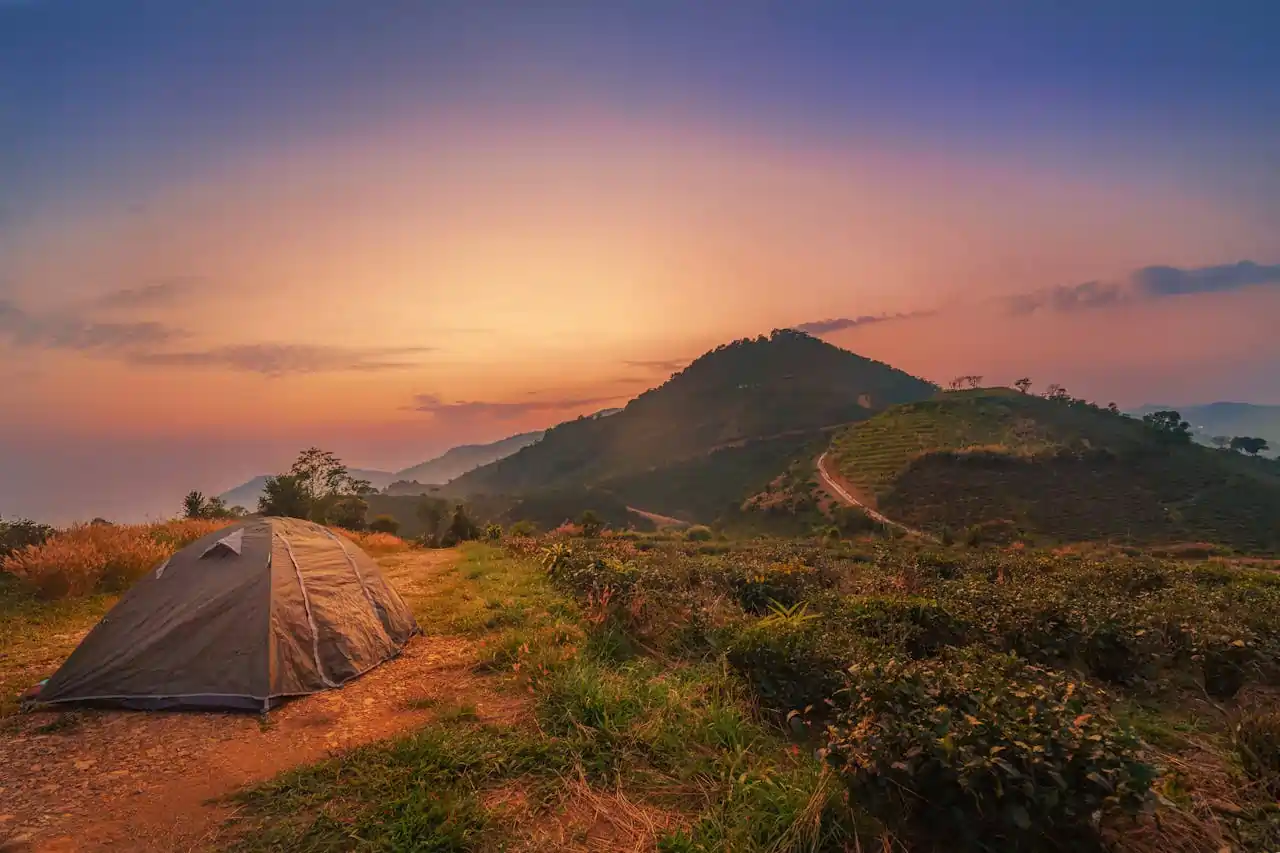
The beautiful thing about planning a holiday itinerary for camping in Sri Lanka is that it forces you to engage with the island on a deeper level. You are not just moving between hotels and tourist sites. You are building a journey that follows the landscape.
Sample 10-Night Sri Lanka Travel Itinerary (Camping Focus)
Camping in Sri Lanka works best when the itinerary is built around the landscape, not just the logistics. This 10-night route moves you through the island’s best environments in a natural, unhurried rhythm.
Nights 1-2: Colombo. You land, you breathe, you adjust. Colombo is a great city to ease into Sri Lanka before heading into the wild. Grab a tuk-tuk to the Pettah markets, eat at a local rice and curry spot, and spend a morning at Galle Face Green watching the ocean. If you have energy on day two, a day trip down the coast to Galle Fort is worth it. The Dutch colonial walls, the little cafes, the crashing southern sea. A good reminder of just how layered this island is before camping in Sri Lanka pulls you deeper into it.
Nights 3-4: Yala National Park. This is where camping in Sri Lanka begins in earnest. The drive from Colombo to Yala takes roughly five to six hours, passing through coastal towns and spice country. Arrive at your tented camp by afternoon, get briefed by your guide, and settle in before your first evening safari. Two full days in Yala give you four safari drives. Leopard, elephant, crocodile, sloth bear, and painted stork. The dawn drives are the ones you will remember longest.
Night 5: Udawalawe National Park. A two-hour drive west from Yala brings you to Udawalawe, Sri Lanka’s elephant heartland. Over 600 wild elephants call this park home, and afternoon sightings are almost routine. One night here is enough to do a late afternoon drive and an early morning safari before moving on. Camp or eco-lodge, your call. Either way, you will be watching elephants cross the road at golden hour.
Nights 6-7: Ella or Haputale. The hill country shift is one of the great moments of any Sri Lanka travel itinerary. The air cools, the landscape turns green and vertical, and tea plantations climb every hillside. The Kandy to Ella train is one of the most scenic rail journeys in Asia. Do it in the afternoon if you can, watch the light change over the hills. Ella itself is small, walkable, and full of good food. Hike Little Adam’s Peak on the morning of day two before moving on.
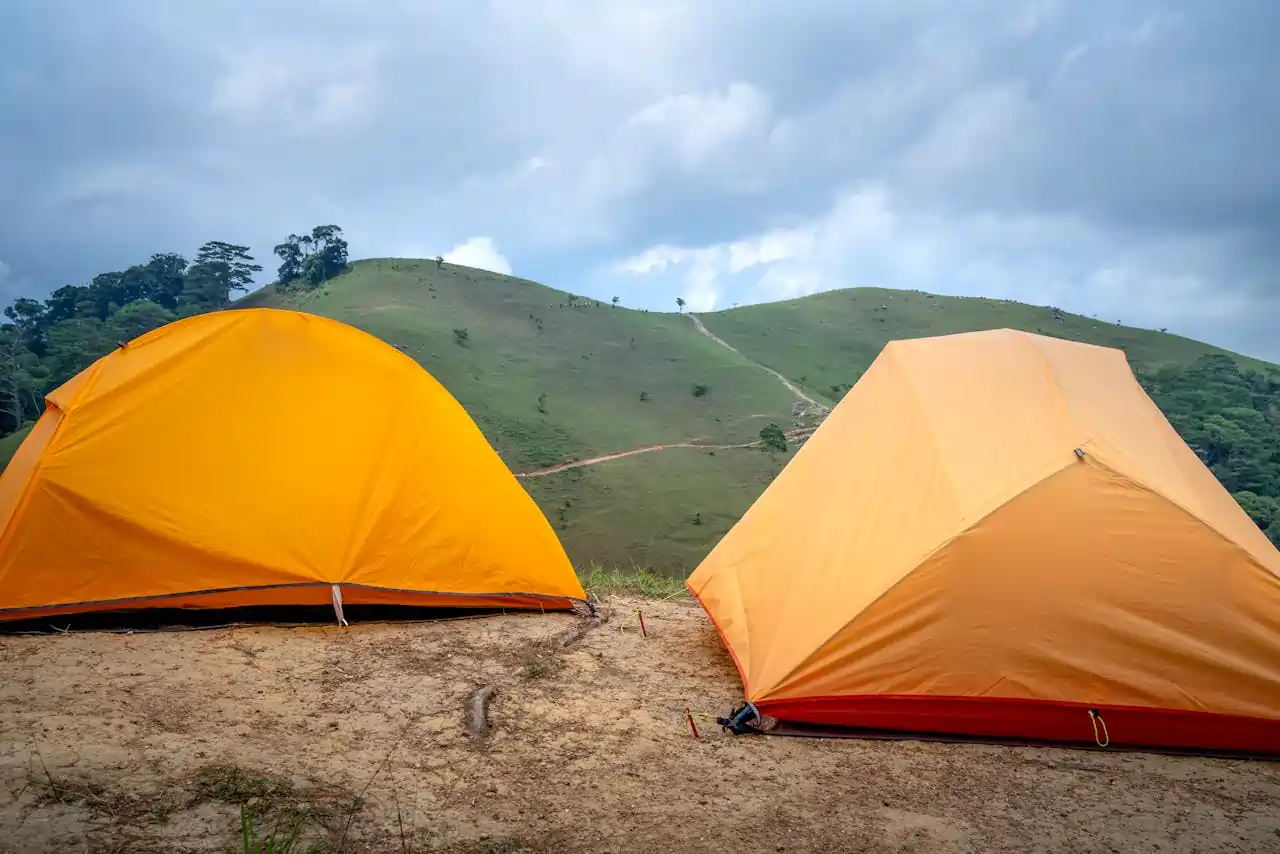
Night 8: Kandy, Sri Lanka’s cultural capital, sits around a lake in the heart of the hill country. The Temple of the Tooth Relic is the centrepiece, worth visiting for the evening puja ceremony when the drums start, and the crowds gather. Kandy is also a good place to eat well, pick up local crafts, and catch your breath before the final stretch of camping in Sri Lanka up in the Knuckles.
Nights 9-10: Knuckles Mountain Range. The Knuckles is where this itinerary finishes strong. A UNESCO World Heritage-listed range of mist-covered peaks, cloud forest, and walking trails that most tourists never reach. Two nights of camping in Sri Lanka’s highlands with a local guide, morning trekking, campfire evenings, and almost no other visitors. From here, it is a three to four-hour drive back to Colombo for your flight home.
This Sri Lanka travel itinerary covers wildlife, coast, culture, highlands, and serious outdoor adventure across ten nights. It flows well, avoids unnecessary backtracking, and gives each region the time it deserves. Extend to 14 nights, and you can add Wilpattu in the northwest for a second wildlife experience or swing out to Arugam Bay on the east coast for a few days of beach camping and surf. A tailor-made Sri Lanka travel itinerary through Sesatha Travel can be adjusted around your exact travel dates, budget, and what your group actually wants to do.
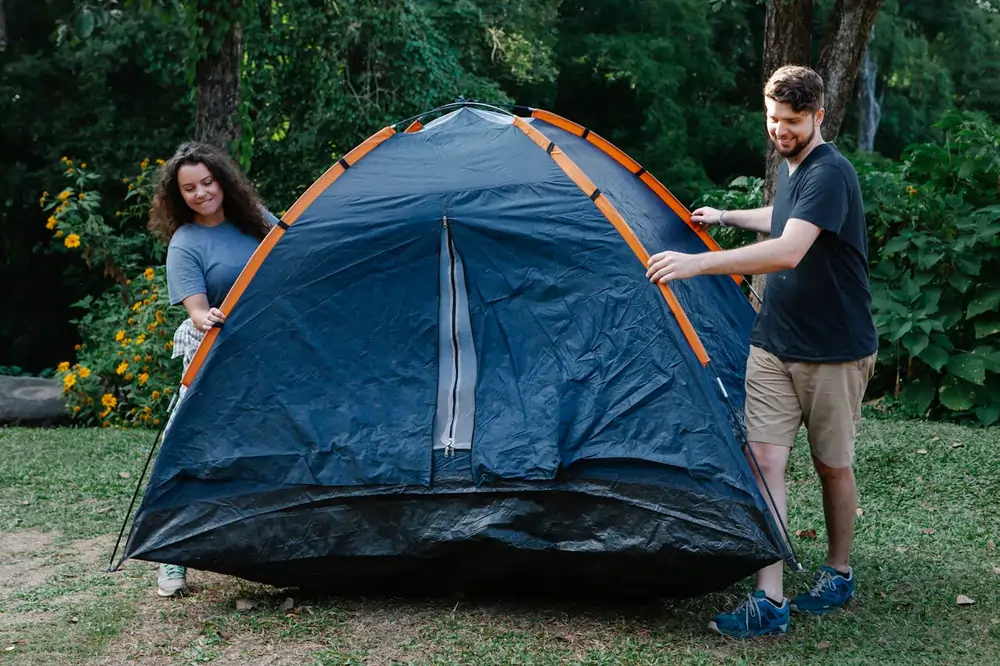
Is Camping in Sri Lanka Safe? What Australian Travellers Need to Know
This is the question that comes up most from Australians considering camping in Sri Lanka for the first time, and the short answer is: yes, with the right preparation and the right operator.
Sri Lanka is a broadly safe destination with a welcoming local culture. The political tensions of past decades have long since settled, and the country is firmly back on the international tourism map. That said, camping in wildlife areas comes with specific considerations that are worth understanding before you go.
Wildlife Safety
Elephants are the primary safety consideration for camping in Sri Lanka. Wild elephants are powerful, unpredictable, and should never be approached on foot. All reputable camp operators brief guests thoroughly on protocols: stay in your tent after dark, do not wander alone, follow guide instructions at all times. These are not rules designed to scare you. They are the standard operating procedures of responsible wildlife tourism.
Leopard sightings near camps are rare and typically result in the leopard disappearing quickly. They are shy of human activity. Sloth bears are present in some parks but are rarely encountered at established camp sites. Saltwater crocodiles inhabit waterways in certain areas; again, a good guide will keep you well informed.
Health and Medical
Mosquito-borne illness, including dengue fever, is present in Sri Lanka. DEET repellent, long sleeves at dusk and dawn, and mosquito nets (provided by most camps) are your primary defences. Check the latest health advice on the Smartraveller website before you depart.
Travel insurance is essential for any camping trip in Sri Lanka. Look for a policy that covers adventure activities and medical evacuation. Most national parks are within a reasonable distance of towns with medical facilities, but being prepared matters.

Planning Your Camping in Sri Lanka Adventure With Sesatha Travel
A specialist who knows the island intimately and can put together a Sri Lanka travel itinerary that actually makes sense. One that connects the right camps at the right time of year, with the right guides, and with the logistics handled so you are not spending your camping in Sri Lanka problem-solving.
Sesatha Travel is an Australian travel agency based in Melbourne, built specifically around Sri Lanka. Every itinerary is tailor-made. There are no group tours, no fixed departure dates, and no one-size-fits-all packages. Whether you want two weeks of pure camping and wildlife, a combination of camping and cultural exploration, or a luxury glamping experience at the best tented camps on the island, the team at Sesatha can put it together.
Families from Sydney, adventure couples from Melbourne, groups of friends from Brisbane and Perth. Sesatha Travel has built bespoke Sri Lanka travel itineraries for all of them. The thing every client has in common when they come back? They say it was better than they expected. That is the goal.