



Why Destination Weddings in Sri Lanka Make So Much Sense for Australians
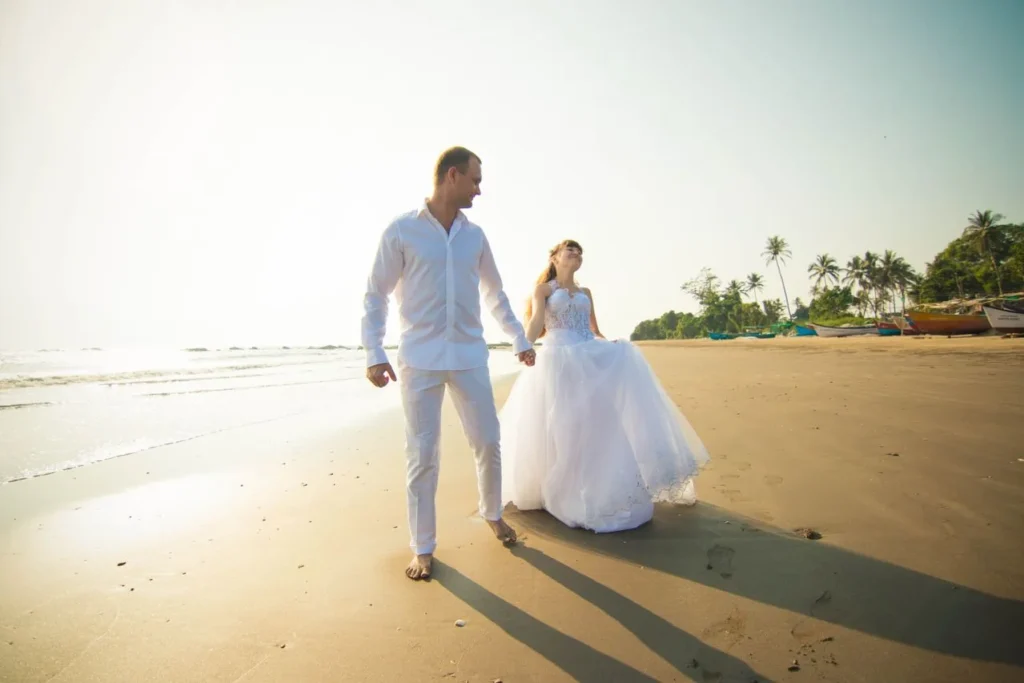
There are plenty of reasons Australian couples are choosing Sri Lanka over the more obvious tropical destinations. Geography is one of them. Sri Lanka sits roughly eight to ten hours from most Australian capital cities, making it genuinely accessible without the ordeal of a multi-stop intercontinental journey. It’s close enough to be practical, far enough to feel like a genuine escape.
Cost is another factor that often surprises people. Destination weddings in Sri Lanka offer extraordinary value compared to equivalent experiences in Europe or even South-East Asia’s more commercialised markets. A luxury clifftop ceremony with a private dinner, florals, and photography can come in at a fraction of what a mid-tier reception at a Melbourne function centre would cost. That doesn’t mean Sri Lanka is cheap. It means the money goes further, and it goes further in beautiful ways.
Then there’s the sheer variety of wedding venues available on a single island. You can exchange vows on a beach at Tangalle with the Indian Ocean at your feet, stand in front of a 400-year-old Dutch fort wall in Galle, or choose a misty tea estate bungalow above Ella where the views stretch across an entire valley. No other destination of this size offers such genuinely distinct settings within a few hours’ drive of each other.
And unlike Bali, Sri Lanka still feels undiscovered by the destination wedding circuit. Your guests aren’t walking into a production line of weekend ceremonies at an overbooked resort. They’re stepping into something that feels genuinely theirs.
The Best Locations for Destination Weddings in Sri Lanka
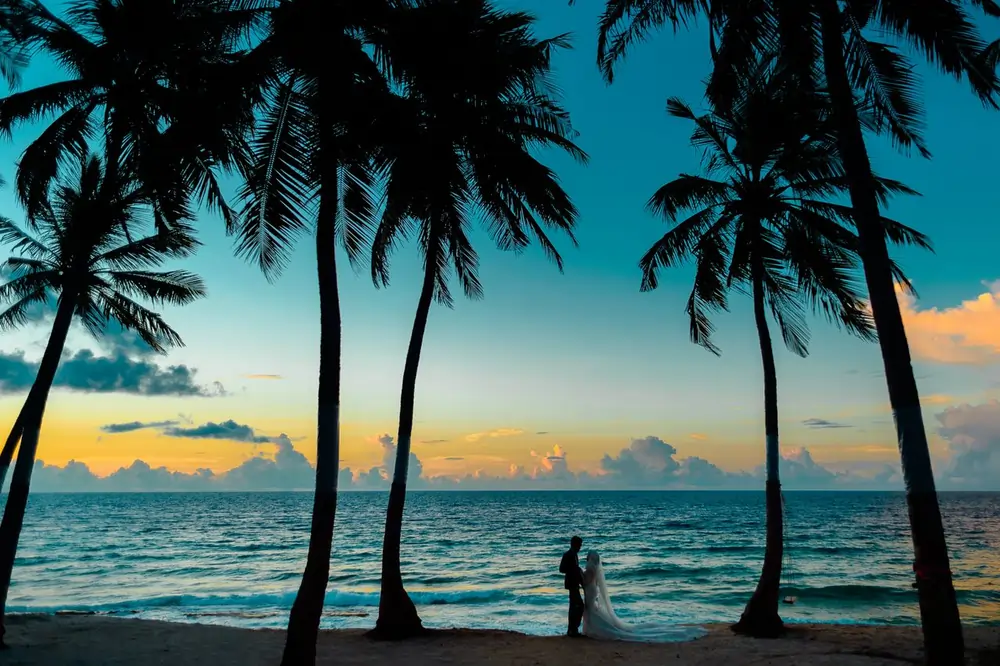
Choosing the right location is the foundation of everything. Sri Lanka’s geography means the wedding venues, weather patterns, and overall vibe shift considerably from one part of the island to another. Here’s what each major region genuinely offers couples planning destination weddings in Sri Lanka.
Galle and the Southern Fort Coast
Galle Fort is an extraordinary UNESCO World Heritage site. It’s a walled city built by the Portuguese and later expanded by the Dutch in the 17th century. The streets are cobbled, the buildings are colonial, the light in the late afternoon turns the old stone walls a deep amber that no filter can improve on. Wedding venues inside and immediately around the fort range from intimate boutique hotels with private garden terraces to grand heritage properties with ocean-facing ceremony spaces.
For couples who want drama, history, and the kind of photographs that need no explanation, destination weddings in Galle deliver every time. The southern coast, including Unawatuna, Weligama, and Cape Weligama, adds a beach dimension if you want both sea and a fort in the same trip.
Tangalle and the Deep South
Tangalle is where the southern coast quietens right down. It’s less built up than the areas around Galle, the beaches are longer and wilder, and several of Sri Lanka’s most celebrated luxury wedding venues sit along this stretch of coastline. Anantara Peace Haven, with its clifftop pavilion and private golden beach, is a destination wedding venue in its own right. Cape Weligama offers panoramic ocean views from elevated terraces that are genuinely hard to forget.
Destination weddings in Tangalle suit couples who want intimacy over spectacle. Small guest lists, private venue buyouts, sunset ceremonies on cliff edges with the whole Indian Ocean behind them.
Ella and the Hill Country
Ella is one of the most naturally beautiful places in Sri Lanka, which is saying something. The village sits at around 1,000 metres elevation, surrounded by tea estates, jungle waterfalls, and the wide ridge views that have made it one of the island’s most photographed destinations. Destination weddings in the hill country offer a different kind of romance entirely: cool mornings, firelight evenings, mist rolling through the valleys at dawn.
Wedding venues here tend to be smaller, more private, and more personal. Boutique hilltop retreats, restored estate bungalows, properties with private infinity pools looking out over the tea country. For couples who want their ceremony to feel genuinely cinematic without being theatrical, the central highlands around Ella and Haputale are worth serious consideration.
Kandy and the Cultural Triangle
Kandy sits at the heart of Sri Lanka’s cultural identity. It’s the city of the Temple of the Tooth, one of Buddhism’s most sacred sites, and the surrounding landscape is rich with history. Wedding venues in the Kandy region tend to be grand colonial-era properties, hillside retreats overlooking Kandy Lake, or heritage hotels that carry the weight of a century of history. For couples drawn to culture, ceremony, and a backdrop with genuine depth, destination weddings in Kandy offer something the coast simply can’t.
Wedding Venues in Sri Lanka: What to Look for and What to Expect
The quality and variety of wedding venues in Sri Lanka have grown substantially over the last several years. Whether you want something grand, something intimate, something beachside, or something high in the hills, there is a venue that matches. Here’s what to consider as you work through your options.
Private Villa Wedding Venues
Some of the very best wedding venues in Sri Lanka are private villas rather than resort properties. These work particularly well for smaller guest lists, typically under 30 people, where a venue buyout creates a genuinely exclusive experience. You’re not sharing the property with other hotel guests. The ceremony space, the pool, the gardens, the staff, the kitchen, all of it is yours for the duration. Wedding venues in this category along the southern coast and in the hill country tend to deliver extraordinary value, especially when you factor in accommodation for your closest guests.
Resort and Boutique Hotel Wedding Venues
For larger guest lists or couples who want the assurance of a professional events team managing every detail, Sri Lanka’s luxury resorts offer polished wedding packages. The better wedding venues in this category provide in-house planners, established relationships with local floralists, caterers, and photographers, and ceremony spaces that have been genuinely designed for the purpose. Galle, Bentota, and the southern cape headlands around Weligama host several properties in this tier.
Heritage and Colonial Wedding Venues
Sri Lanka’s colonial history has left behind some extraordinary buildings. Galle Fort alone contains several wedding venues that feel like walking into a completely different century. Stone walls, Dutch-era courtyards, candlelit archways, and the particular stillness of a fortified city after dark. Heritage wedding venues in Sri Lanka are for couples who care about atmosphere above all else. The photographs are unlike anything achievable at a purpose-built resort.
Legal Requirements for Destination Weddings in Sri Lanka: What Australians Need to Know
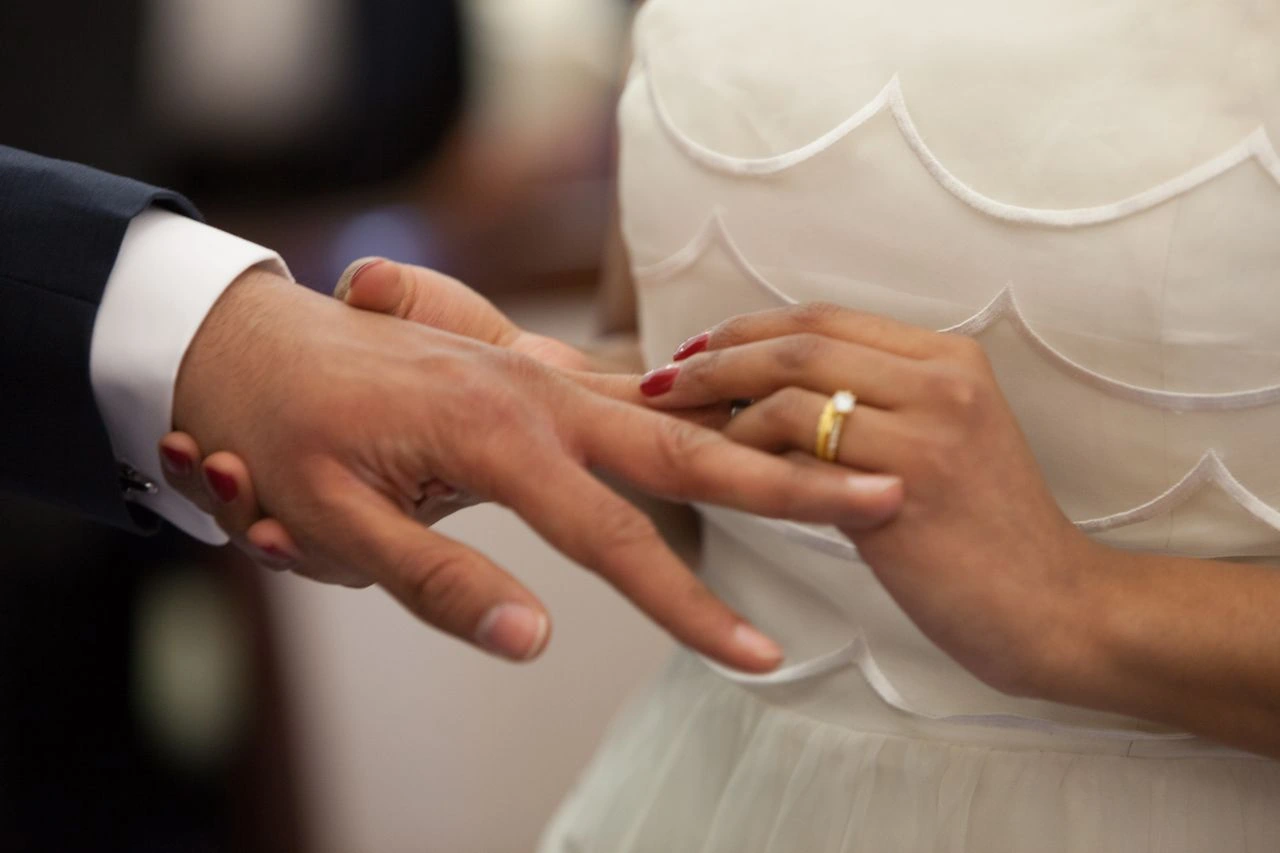
Destination weddings in Sri Lanka can be legally registered, and your marriage will be internationally recognised once correctly completed. The process is genuinely straightforward for Australians, but it does require careful preparation before you leave home.
Documents Required
The following documents are required for both parties to register a marriage in Sri Lanka:
- Valid passports (minimum six months’ validity beyond your wedding date)
- Original birth certificates
- A Certificate of No Impediment, known as a Free to Marry certificate or single status affidavit, signed by a solicitor and authenticated by the Australian Department of Foreign Affairs and Trade (DFAT)
- Divorce decree if either party has been previously married
- Death certificate of a former spouse if widowed
For Australians specifically, the Sri Lanka High Commission in Canberra provides guidance on obtaining the Certificate of No Impediment through the relevant process via DFAT. Documents must be certified and authenticated before departure, so starting this process well in advance of the wedding date is important.
The Four-Day Residency Requirement
Both parties must be physically present in Sri Lanka for at least four full days before the ceremony can be legally registered. This requirement is straightforward to build into your itinerary, and most couples use this time to explore, rest, and prepare. It simply means your trip needs to be planned with enough arrival time before the ceremony day.
Getting Your Certificate Recognised Back in Australia
After the ceremony, you’ll receive a marriage certificate in Sinhala or Tamil with a certified English translation. To use this document in Australia, it will need to be certified by the Consular Affairs Section of Sri Lanka’s Ministry of Foreign Affairs in Colombo, then authenticated through the appropriate channels. A good local wedding planner or Sri Lanka tour specialist will walk you through this process and can manage much of the paperwork coordination on your behalf.
Best Time of Year for Destination Weddings in Sri Lanka
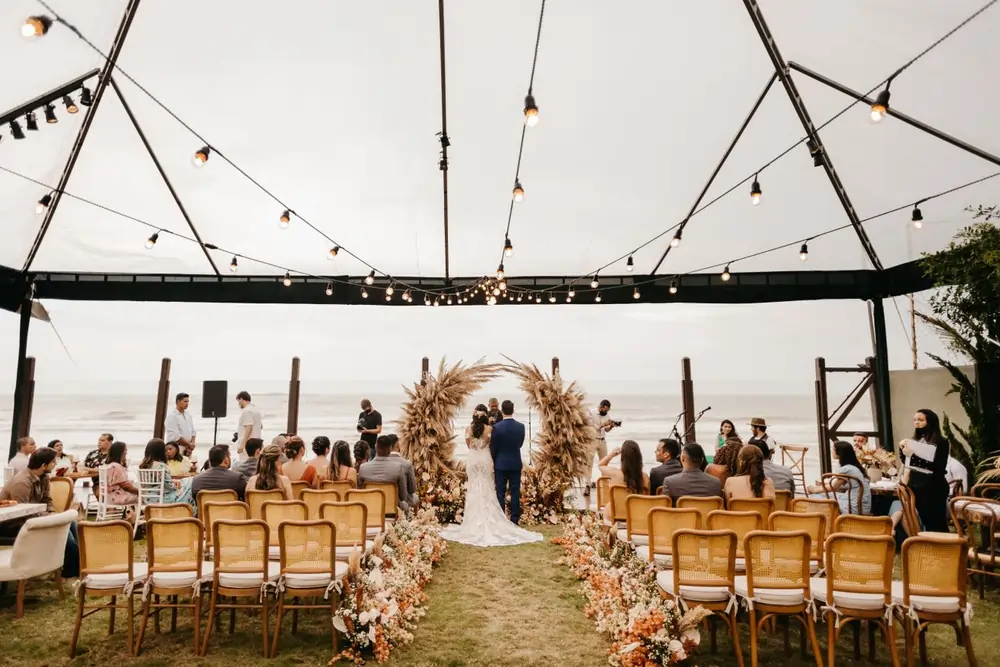
Sri Lanka has two distinct monsoon seasons that affect different parts of the island at different times of year. The right timing for your destination wedding depends on which region you’ve chosen for your ceremony.
For the southern and western coastal wedding venues, including Galle, Tangalle, Bentota, and the Cape Weligama area, the driest and most reliable period runs from December through to April. These months offer settled weather, clear skies, and the kind of reliable sunshine that makes outdoor ceremonies genuinely low-risk. January and February in particular are outstanding months for beach and clifftop ceremonies along the southern coast.
For the eastern coast, including areas around Trincomalee and Pasikuda, the pattern is almost the inverse. The East Coast enjoys its best weather from May through to August, while the Southwest is managing its monsoon. Destination weddings in Sri Lanka’s east are ideal for couples willing to think a little laterally about location in exchange for near-guaranteed good weather.
The hill country around Ella and Kandy can be visited year-round, but the driest conditions in the central highlands generally align with December through March. Mist and clouds are part of the landscape regardless of season, and many couples love the atmosphere this creates. If you want guaranteed sunshine for outdoor wedding photography, the January to March window in the hills is the safest bet.
Planning Destination Weddings in Sri Lanka from Australia: The Practical Reality
Planning a wedding from the other side of the world sounds more daunting than it actually is, as long as you have the right people managing things on the ground. Here’s an honest look at what the process actually involves.
Start 12 to 18 Months Out
The best wedding venues in Sri Lanka, particularly the private villa properties and smaller boutique hotels, book out well in advance. Destination weddings are a growing market on the island, and the most sought-after dates fill quickly. Beginning your planning 12 to 18 months before your intended wedding date gives you a genuine choice of venue, timing, and vendors.
Work with a Sri Lanka Specialist, Not a Generic Wedding Platform
There are dozens of generic destination wedding platforms online that will take your enquiry and pass it to a local agent they’ve never spoken to. For destination weddings in Sri Lanka, this is not the approach that works. The island is specific. The logistics are specific.
The legal requirements are specific. Working with a travel specialist who knows Sri Lanka well, who has established relationships with the best wedding venues, and who understands how to build an itinerary that works for a mixed group of guests from Australia means the experience runs smoothly rather than requiring you to troubleshoot from 10,000 kilometres away.
Sesatha Travel builds private, tailor-made Sri Lanka itineraries for Australian couples and their guests. Destination weddings are a natural extension of what the agency does well: knowing which wedding venues suit which couples, managing the ground logistics, and ensuring the trip around the ceremony is as memorable as the day itself.
Think Beyond the Ceremony Day
One of the genuine advantages of destination weddings in Sri Lanka is what surrounds the ceremony. Your guests aren’t flying that distance for a single afternoon. A well-planned trip builds in pre-wedding exploration, a wedding dinner in an extraordinary setting, and a few days of post-ceremony travel. Sri Lanka is compact enough that you can cover the cultural triangle, the hill country, and the southern coast in two weeks without feeling rushed.
The best destination wedding itineraries treat the ceremony as the centrepiece of a complete travel experience rather than the only item on the schedule. That’s what makes the trip worth remembering for every guest, not just the couple.
Budget Considerations for Destination Weddings in Sri Lanka
Budgets for destination weddings in Sri Lanka vary significantly depending on guest numbers, venue choice, and the level of production you want around the ceremony. A small, intimate ceremony with 10 to 15 guests at a private villa, including accommodation, florals, catering, a celebrant, and photography, can be achieved at a price point that would barely cover a Saturday evening at a city reception venue in Australia.
A larger celebration with 40 to 50 guests at a luxury resort, with a full wedding package, can run to a significant investment but will still deliver considerably more per dollar than a comparable event in Australia or New Zealand.
The key is clarity on priorities from the start. Which elements matter most? Is it the venue itself? The quality of the photography? The guest experience? Having those conversations early means the budget gets shaped around what genuinely matters rather than getting distributed evenly across things that don’t.
What Your Guests Will Love About Destination Weddings in Sri Lanka
One of the quiet anxieties behind many destination wedding decisions is whether guests will actually commit to the trip. In practice, Sri Lanka tends to convert the hesitant ones. Here’s why.
The flight from Australia is manageable, particularly from Perth, Melbourne, and Sydney. The country is genuinely easy to travel around. The food is extraordinary. The people are warm in a way that doesn’t feel performative. And Sri Lanka offers enough variety that guests with completely different travel interests, beach lovers, culture seekers, foodies, and wildlife enthusiasts all find something that speaks to them.
Destination weddings in Sri Lanka also tend to create a particular kind of shared experience among guest groups. Everyone is discovering something together. Conversations happen at dinner that wouldn’t happen at a table of eight in a hotel ballroom back home. The trip becomes part of the story of the wedding, not just the backdrop to it.
A private tour operator who knows the island well can build optional experiences around your wedding week for interested guests: a cooking class in a local home, a morning in the spice gardens, a day trip to Yala National Park to see leopards from an open jeep. These extras aren’t obligations. They’re invitations, and guests tend to accept them enthusiastically.
Start Planning Your Sri Lanka Destination Wedding with Sesatha Travel
Destination weddings in Sri Lanka reward the couples who plan them thoughtfully. The island has the venues, the scenery, the warmth, and the variety to deliver an experience that genuinely surprises people who thought they knew what a wedding abroad might feel like. Getting the details right, the right wedding venue, the right timing, the right itinerary for guests, is where the experience shifts from beautiful to unforgettable.
Sesatha Travel is an Australian travel agency that builds private, tailor-made Sri Lanka tours and itineraries for couples and their guests. Every destination wedding enquiry starts with a free custom consultation with no obligation or package pressure. Just a genuine conversation about what you want and how to make it happen.