



1. Trincomalee: The Harbour Town That History Forgot
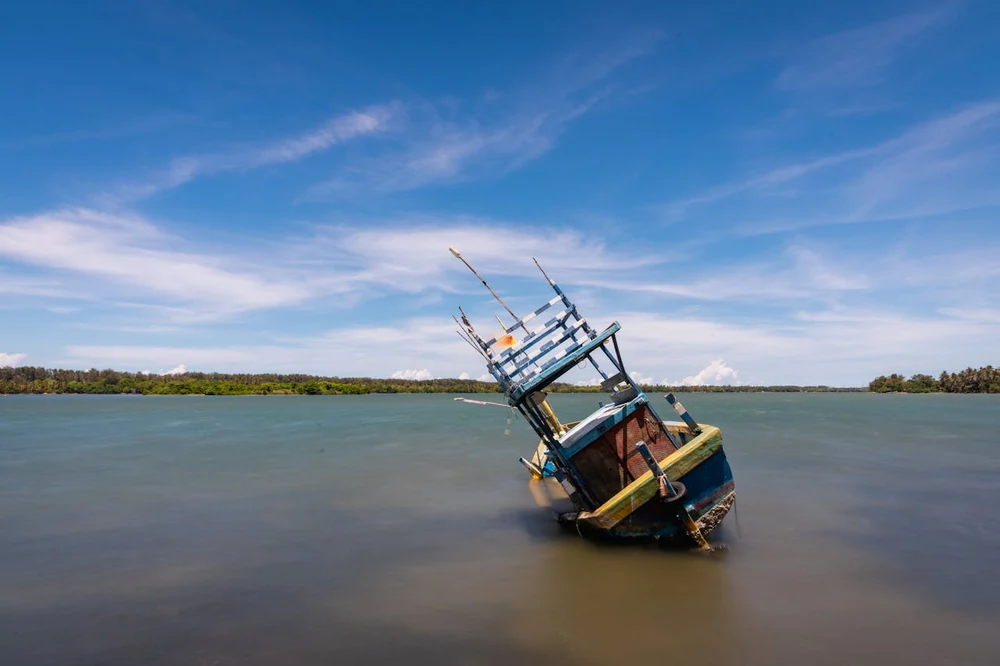
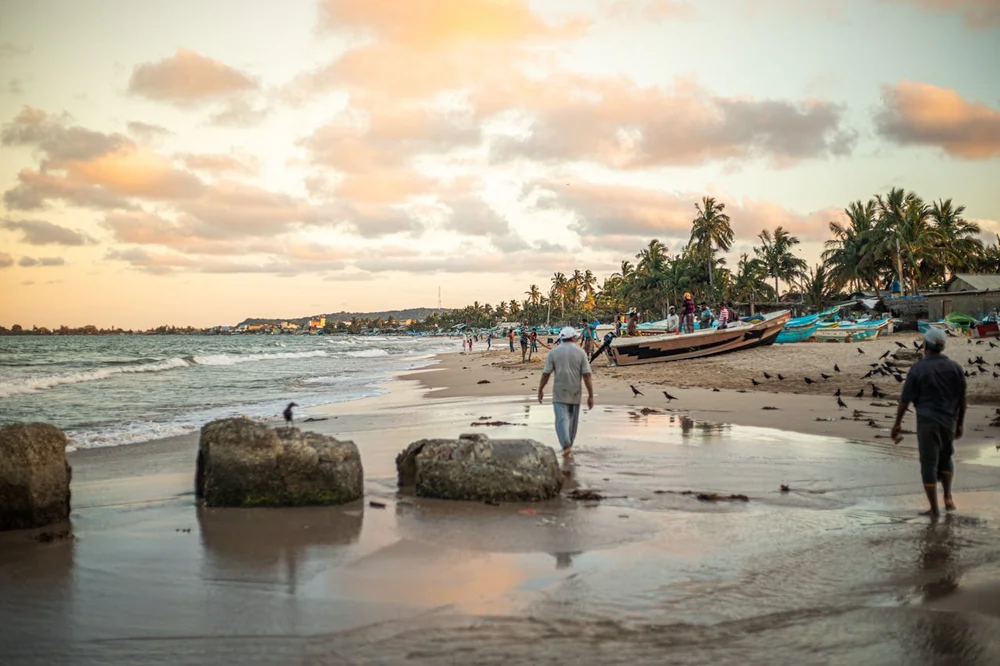
When you talk about East Coast Sri Lanka, you can’t begin anywhere other than Trincomalee. This is one of the finest natural deepwater harbours in the world, a fact that various colonial powers fought over for centuries. The British, Dutch and Portuguese all left their marks here, and the layers of history are still visible in the old fort walls, the temple ruins and the streets that mix colonial architecture with colourful Hindu kovils.
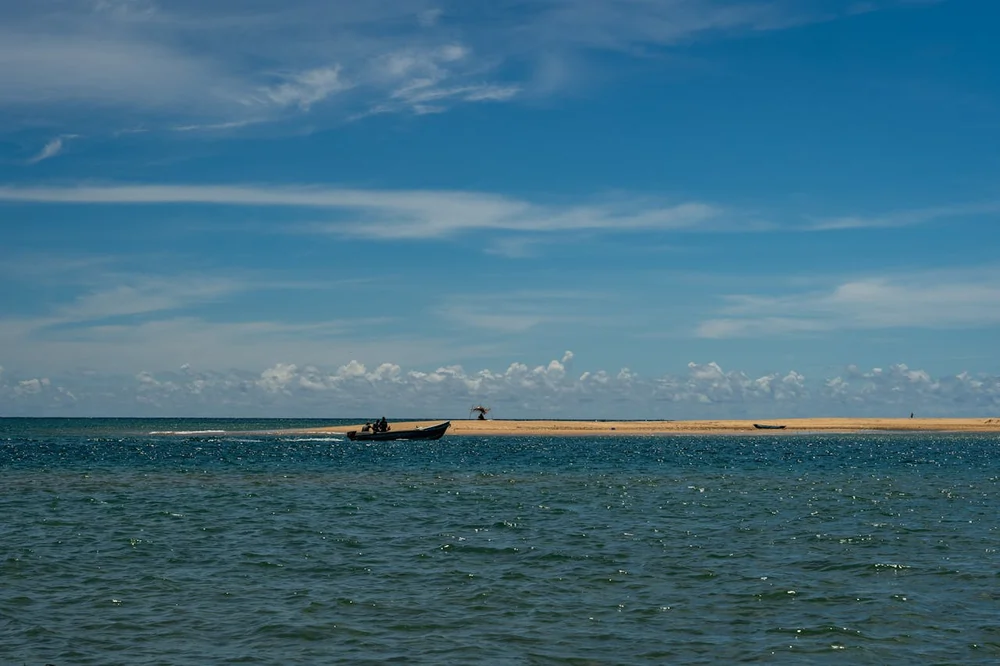
But Trincomalee isn’t just a history lesson. The beaches surrounding the town, particularly Nilaveli and Uppuveli, are genuine standouts among coastal holiday destinations in Asia. You get long stretches of pale sand, water that shifts from turquoise to deep blue, and a sense of space that’s simply not available on Sri Lanka’s more popular southern beaches.
Between May and October, Trincomalee becomes something else again. Whale watching season brings blue whales and sperm whales close to shore, and spinner dolphins are practically a daily occurrence. Dive operators run trips out to Swami Rock and Pigeon Island National Park, and the underwater visibility is extraordinary.
Koneswaram Temple deserves a mention of its own. Perched on a clifftop above the harbour, it’s one of Sri Lanka’s most sacred Hindu temples and one of the most dramatically positioned religious sites anywhere in Asia. Come at sunrise if you can. Trincomalee alone justifies making East Coast Sri Lanka the focus of an entire trip.
2. Pigeon Island: Snorkelling That Actually Delivers
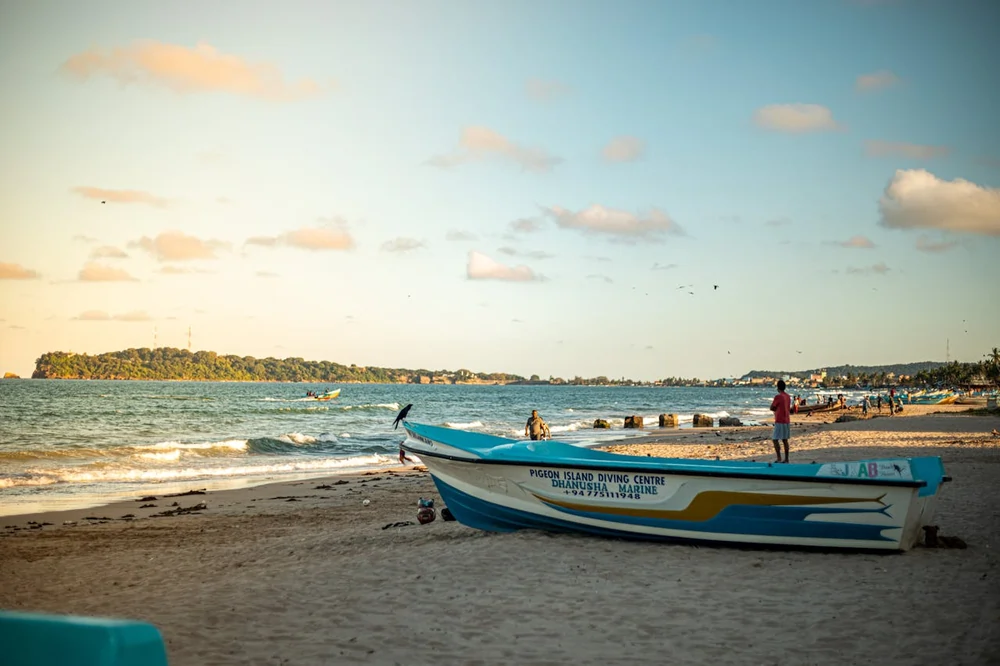
Pigeon Island National Park sits just off the coast from Nilaveli, a short boat ride from shore. It’s one of only two marine national parks in Sri Lanka, and what’s under the water here is genuinely impressive. Blacktip reef sharks patrol the shallow coral, sea turtles drift past at close range, and the coral coverage is among the best remaining in Sri Lankan waters.
For Australians used to the Great Barrier Reef, it’s a different experience, not a lesser one. The intimacy of a smaller reef system, the sharks swimming in the shallows, and the density of marine life in a compact area. It makes Pigeon Island one of the standout East Coast Sri Lanka coastal holiday destinations that reward slow exploration rather than rushing through.
The island itself is tiny and undeveloped, and that’s entirely the point. No restaurants, no shops, no infrastructure. Just the reef and the birds that gave the island its name. Day trips are the standard approach, and it’s worth combining with a morning at Nilaveli beach before heading out.
3. Batticaloa: The Singing Fish and the Story Nobody Tells
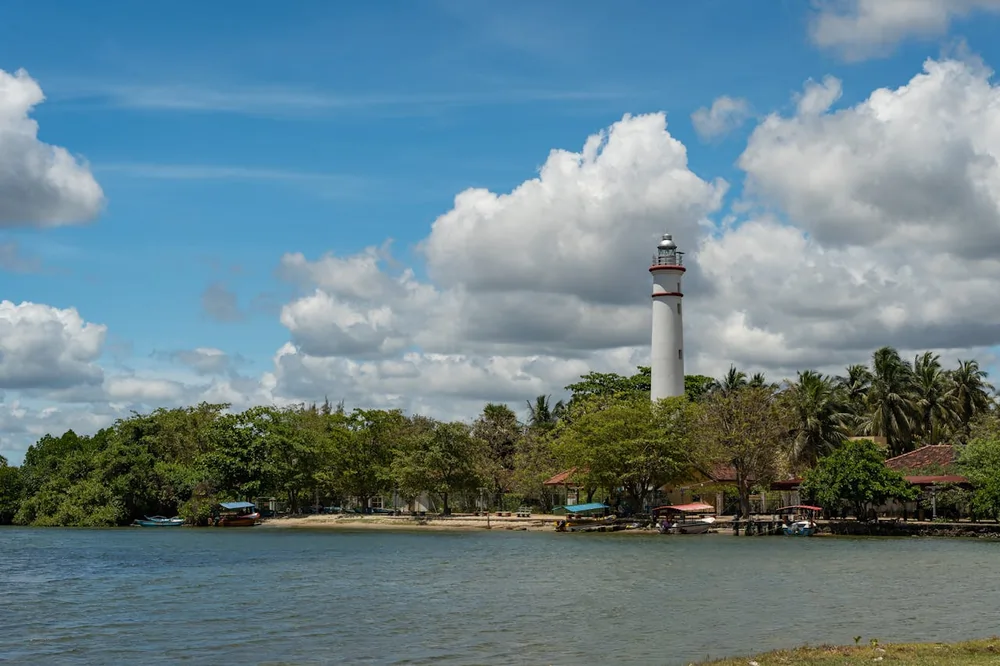
Batticaloa is the kind of place that sounds unlikely until you’re there. A lagoon town on the East Coast Sri Lanka circuit that most visitors skip entirely, known among those who know it for the so-called singing fish phenomenon, an unusual sound that rises from the lagoon on still nights in April and May.
The explanation remains genuinely debated. Some say molluscs, some say the particular acoustic properties of the lagoon itself. Whatever the cause, the experience of sitting in a boat at night in the middle of a dark lagoon, listening to what sounds like distant music rising from the water, is something you don’t easily forget.
Beyond the singing fish, Batticaloa has a Dutch fort in remarkably good condition for a fort that nobody visits, a lively local market culture, and access to some excellent nearby coastal holiday destinations, including Pasikuda Bay, which takes some beating for sheer calm-water beauty.
Pasikuda is significant because the reef running parallel to the shore creates a natural lagoon effect. The water is extraordinarily calm even when the open sea is rough, and the depth is shallow enough to walk a long way out. It’s a beach built for people who actually want to be in the water.
4. Arugam Bay: The Wave That Put the East on the Map
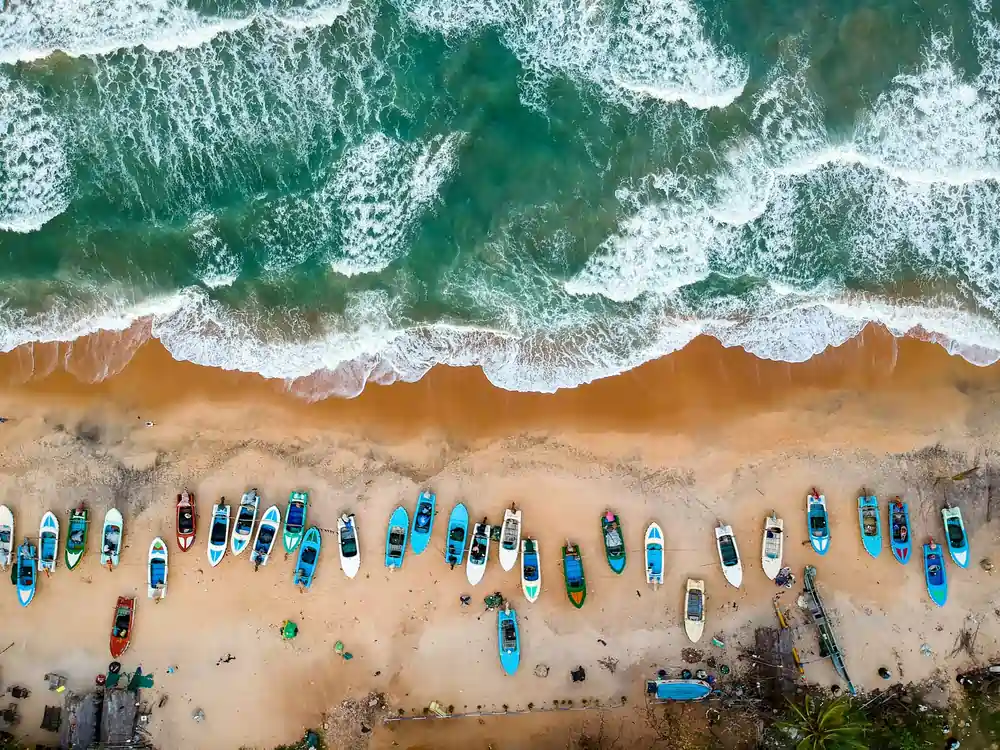
Ask a surfer about East Coast Sri Lanka and the first two words out of their mouth will almost certainly be Arugam Bay. This small fishing village in the south of the east coast has been on the global surf radar for decades, regularly appearing in lists of the world’s best surf destinations and consistently rated among the most compatible right-hand point breaks in Asia.
But Arugam Bay has grown well beyond surfing. It’s now one of those genuinely charming coastal holiday destinations that manages to feel both developed and unhurried. Good cafes, decent accommodation, fresh seafood cooked the way it should be, and a relaxed local culture that hasn’t curdled into tourist fatigue. People stay longer than they planned. That’s usually a reliable sign. It’s one of those East Coast Sri Lanka towns that genuinely earns its reputation.
The surf season runs roughly from May to September, with July and August at peak. Outside of season, the bay is quieter, but the beach remains excellent, and the surrounding area, including Kumana National Park to the south, becomes more appealing for wildlife-focused travel.
Kumana deserves serious attention. Often described as the eastern equivalent of Yala, this national park sits adjacent to a major bird sanctuary and hosts leopards, elephants, sloth bears and crocodiles. The difference from Yala is the number of visitors. You can spend an entire safari morning in Kumana without seeing another vehicle.
5. Pottuvil Lagoon: Where the Wildlife Outnumbers the Tourists
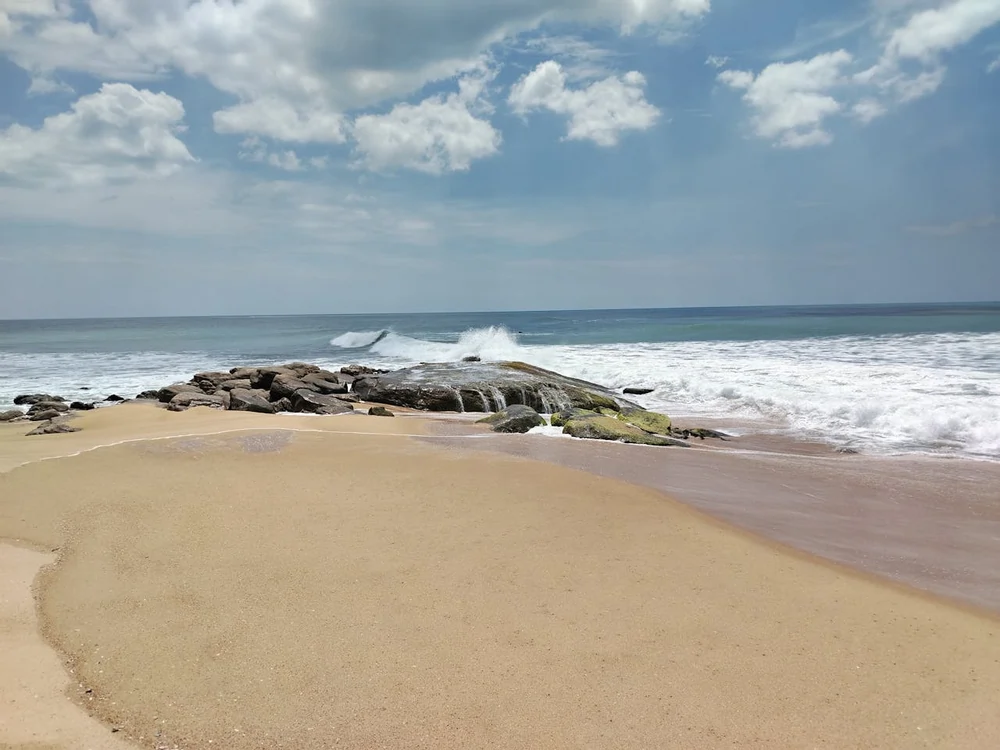
Just north of Arugam Bay, Pottuvil Lagoon is one of those places that exists in between the highlights. Not on the main tourist circuit, not in the standard itinerary, and therefore almost completely unvisited.
Which is precisely why it’s worth going. The lagoon is a wetland ecosystem that supports remarkable birdlife year-round, with migratory species arriving between October and March to make an already impressive list even longer. Early morning canoe trips are available, and a guided paddle through the mangrove channels in low light is a very different experience from anything you’d get in a safari jeep.
For itinerary purposes, Pottuvil fits naturally between a stay in Arugam Bay and a journey further south toward Kumana. It’s the kind of half-day experience that separates a standard tour from a tailor-made East Coast Sri Lanka private itinerary, and it’s exactly why the East Coast Sri Lanka rewards travellers who go looking.
The East Coast Sri Lanka Itinerary Most People Never Try
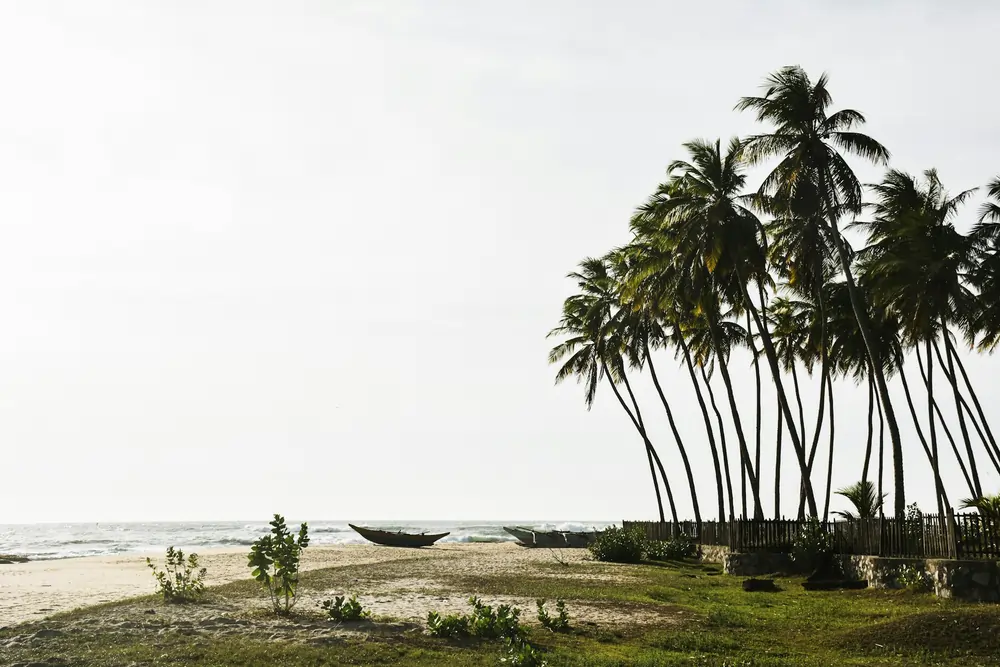
Most visitors to Sri Lanka do a loop. Colombo, Kandy, Sigiriya, Galle, and back to Colombo. It’s a fine route, and the highlights are genuinely worth seeing. But it leaves the entire East Coast untouched, and for the number of Australians who make this trip, that’s a significant miss.
A proper East Coast route works best as a dedicated section of a longer itinerary, or as its own focused journey. Flying into Colombo and making your way east, either overland through the hill country or via a domestic flight to Batticaloa, puts you on the coast quickly. From there, a journey south through Pasikuda, down to Arugam Bay, with side trips to Kumana and Pottuvil, before looping back inland, is one of the most satisfying sequences of coastal holiday destinations you can string together anywhere in Asia.
The practical question is when to go. The East Coast Sri Lanka has its own weather system, operating roughly opposite to the south and west. The best time to visit the east is from May to September, when the rest of Sri Lanka enters its rainy season. This is, conveniently, exactly when Australian school holidays fall in July, making East Coast Sri Lanka a genuinely practical option for family travel.
Practical Things Worth Knowing Before You Go
Getting There from Australia
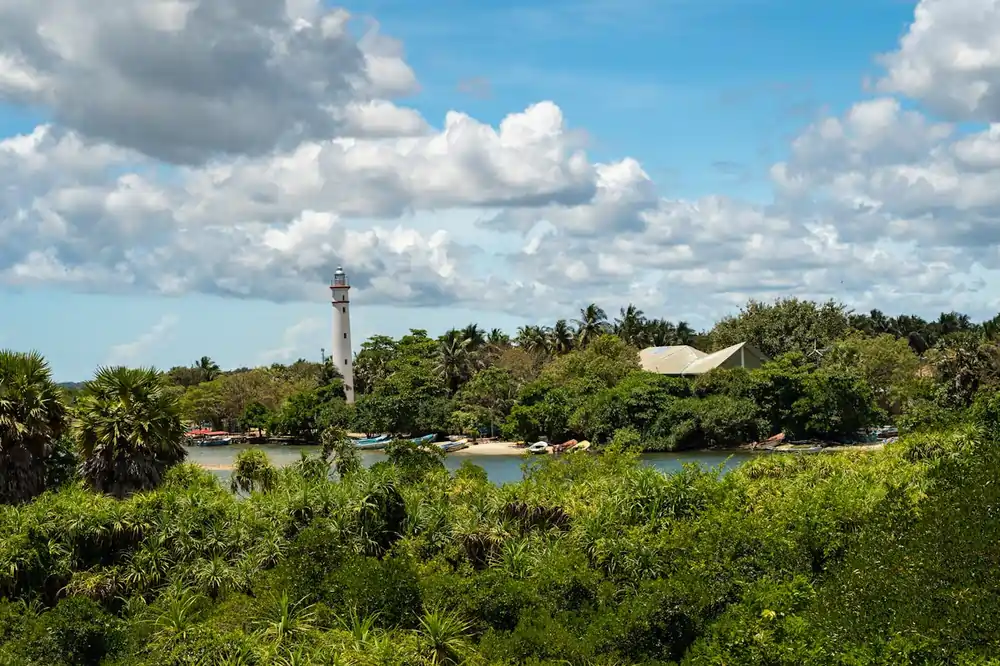
Most Australians fly via Singapore, Kuala Lumpur or Dubai into Colombo’s Bandaranaike International Airport. From Colombo, the drive to Trincomalee takes around five to six hours depending on the route, or you can fly domestically to Trincomalee or Batticaloa on a smaller regional carrier.
Best Time to Visit the East Coast
May through September is the prime window for East Coast Sri Lanka travel. The sea is calm on the east, the skies are largely clear, and the surf season at Arugam Bay is running. This is the reverse of the west and south, which are best from November to April.
What Type of Accommodation to Expect
The East Coast Sri Lanka has a wider range of accommodations now than it used to. Boutique beach properties near Nilaveli and Pasikuda now offer genuinely impressive rooms and service. Arugam Bay ranges from simple surf guesthouses to well-designed boutique properties. Trincomalee has a handful of good hotels near the beach. It’s not the Maldives, but the quality has improved significantly over the past decade.
How to Get Around
Having a private driver is the single biggest quality-of-life improvement for this kind of trip. The distances between East Coast Sri Lanka highlights are manageable, but the roads require local knowledge and a driver who knows them. A good guide-driver combination is worth every cent and transforms what you see and experience along the way.
Is the East Coast Safe?
Yes. The East Coast Sri Lanka has been peaceful and open to tourism for well over a decade. Some travellers still carry outdated assumptions about the region, given its history during the civil conflict period, which ended in 2009. The reality on the ground is relaxed, welcoming communities and a population genuinely happy to see tourism coming to their side of the island.
Why a Private Tour Changes Everything on the East Coast
There’s a particular kind of experience available on the East Coast Sri Lanka that you simply can’t access on a group tour. It happens when your driver knows the fishing family who’ll take you out at dawn before the crowds arrive. When your guide stops at a roadside temple that isn’t in any guidebook because they know it’s extraordinary. When your itinerary has space in it to stay an extra day at Pasikuda because the snorkelling was too good to leave.
That’s what private touring delivers. Every itinerary is built from scratch around what you actually want from a trip. The East Coast Sri Lanka is the kind of destination that reveals itself slowly, and private travel is the only format that gives it room to do that.
East Coast Sri Lanka in 2026: Why Now Is the Right Time
The East Coast Sri Lanka is at an interesting moment. Tourism infrastructure is developed enough to make a comfortable trip straightforward, but visitor numbers haven’t yet reached the point where you lose the sense of discovery. The southern coast went through this phase years ago and has since become genuinely crowded in peak season. The East Coast Sri Lanka is still in that sweet spot. Visiting East Coast Sri Lanka now, before the crowds catch up, is a decision you won’t second-guess.
For Australians, the combination of direct flight access, a favourable exchange rate, and an expanding range of high-quality accommodation makes this one of the most compelling coastal holiday destinations accessible from any Australian capital right now. The value relative to comparable experiences in the Maldives, Thailand or even Bali is striking.
And the experience itself. Open beaches with hardly anyone on them. Whale sharks in waters you can actually dive in. A wildlife safari without the queues. A surf break that still feels like it belongs to the surfers. Ancient temples with no entrance fee and no tour groups. The east is Sri Lanka without the polish, and that is entirely a recommendation.
Start Planning Your East Coast Sri Lanka Tour
The East Coast Sri Lanka is one of those travel experiences that rewards the people who find it before it becomes obvious. The beaches are there. The wildlife is there. The surf, the temples, the lagoons, the whale watches, the quiet mornings on stretches of sand where no one else has turned up yet. It’s all there, waiting.
For Australians, getting here has never been more straightforward. And with the right private itinerary, the experience you have on this stretch of coastline can be genuinely unlike anything else you’ve done. These are some of the finest coastal holiday destinations accessible from Australia, and they remain largely unknown. That will change. The question is whether you get there first.
Ready to build your East Coast Sri Lanka itinerary? Talk to a Sri Lanka expert at Sesatha Travel and get a custom itinerary designed around what you actually want from this trip.