



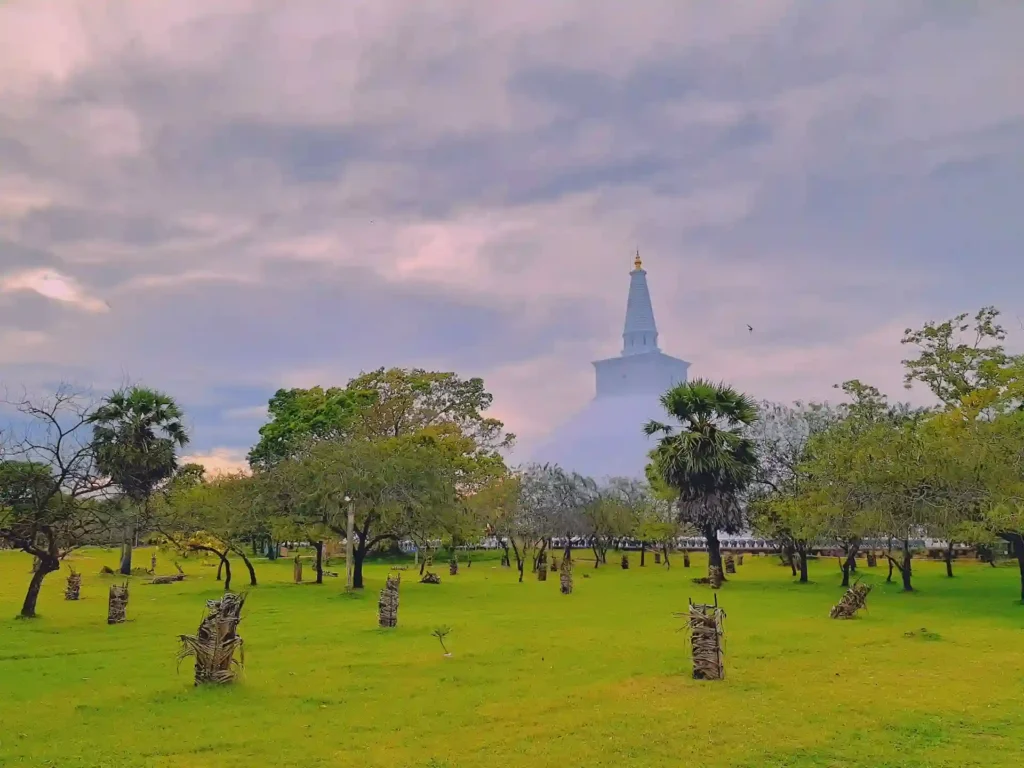
Why Sri Lankan Culture Feels So Layered and Diverse
Sri Lankan culture carries the fingerprints of every group that has called the island home: Sinhalese Buddhist kingdoms, Tamil Hindu communities, Arab traders who brought Islam, and Portuguese, Dutch, and British colonists who each left something behind. Rather than blending into a single uniform identity, the island keeps these layers visible side by side, a Buddhist temple a few streets from a Hindu kovil, a colonial church down the road from a mosque.
That layering is precisely what makes this side of the island so rewarding to explore in person. A single day can take you from a spice garden explaining Ayurvedic principles to a Kandyan dance performance to a quiet Catholic church built by Portuguese missionaries centuries ago. Few destinations pack this much genuine cultural and traditional variety into such a compact space, and it is one of the biggest reasons Australian travellers come home from Sri Lanka talking about the people as much as the scenery.
The Food That Defines Sri Lankan Culture
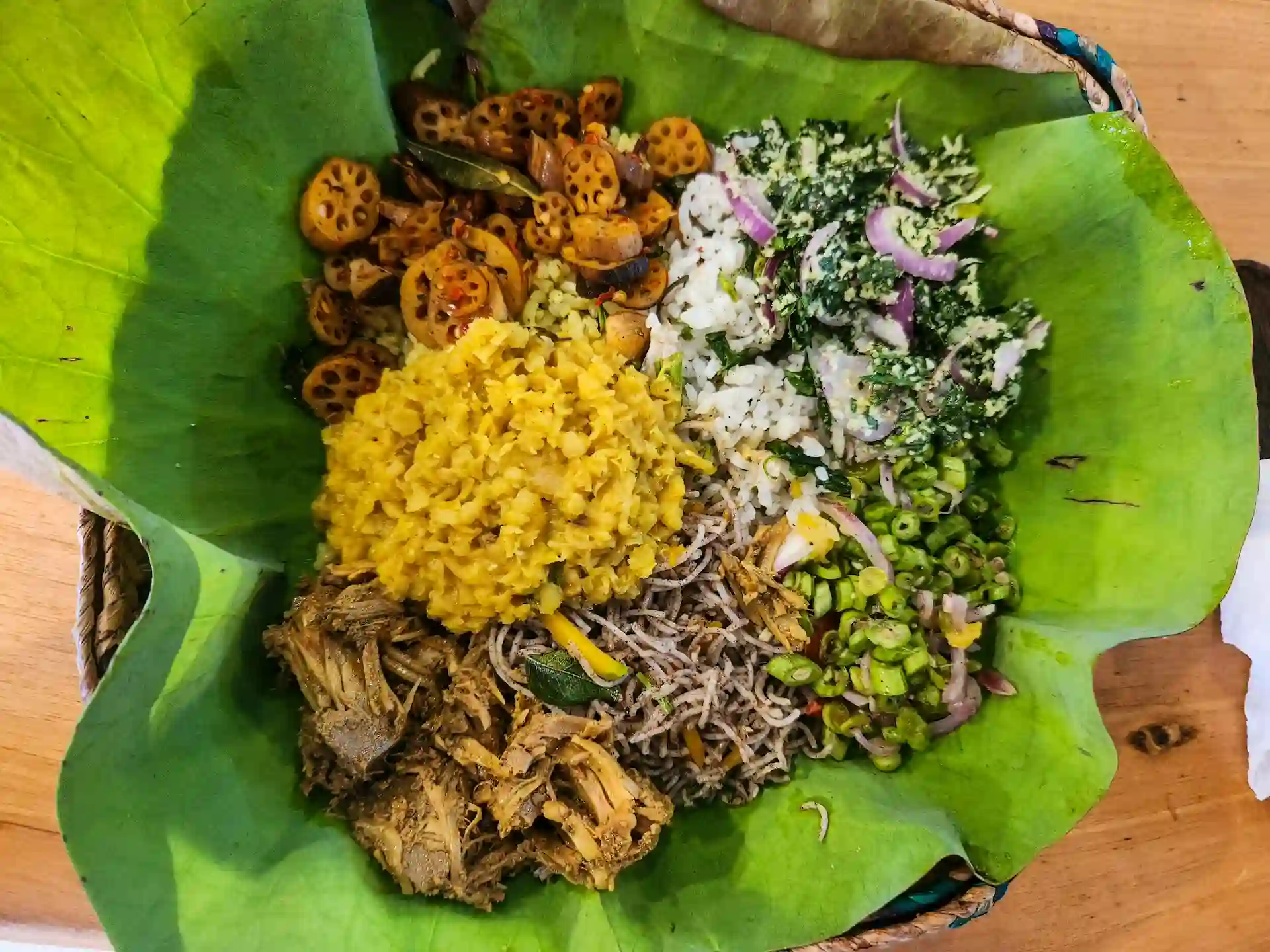
Food sits close to the centre of Sri Lankan culture, and rice and curry served with an array of small dishes remains the daily anchor for most families. Coconut appears in almost everything, grated into sambols, pressed into milk for curries, or simply cracked open roadside for the water inside. Hoppers, kottu roti, and string hoppers round out a food culture that rewards curiosity far more than caution.
Meals in Sri Lankan culture are rarely eaten alone. Extended families gather around shared plates, and hospitality runs deep enough that guests are often served first and best, regardless of how modest the household. Cooking classes built into a private itinerary are one of the simplest ways to understand this side of culture and tradition, since grinding your own spice blend teaches you more about a household’s values than any guidebook ever could.
Faith and Spirituality at the Heart of Sri Lankan Culture
Religion shapes daily rhythm across the island in a way that is hard to overstate. Roughly 70% of the population follows Theravada Buddhism, and Buddhist principles run quietly through everything from business etiquette to how elders are addressed. Understanding this dimension of daily life makes temple visits feel far less like sightseeing and far more like genuine cultural exchange.
Buddhism and Temple Life
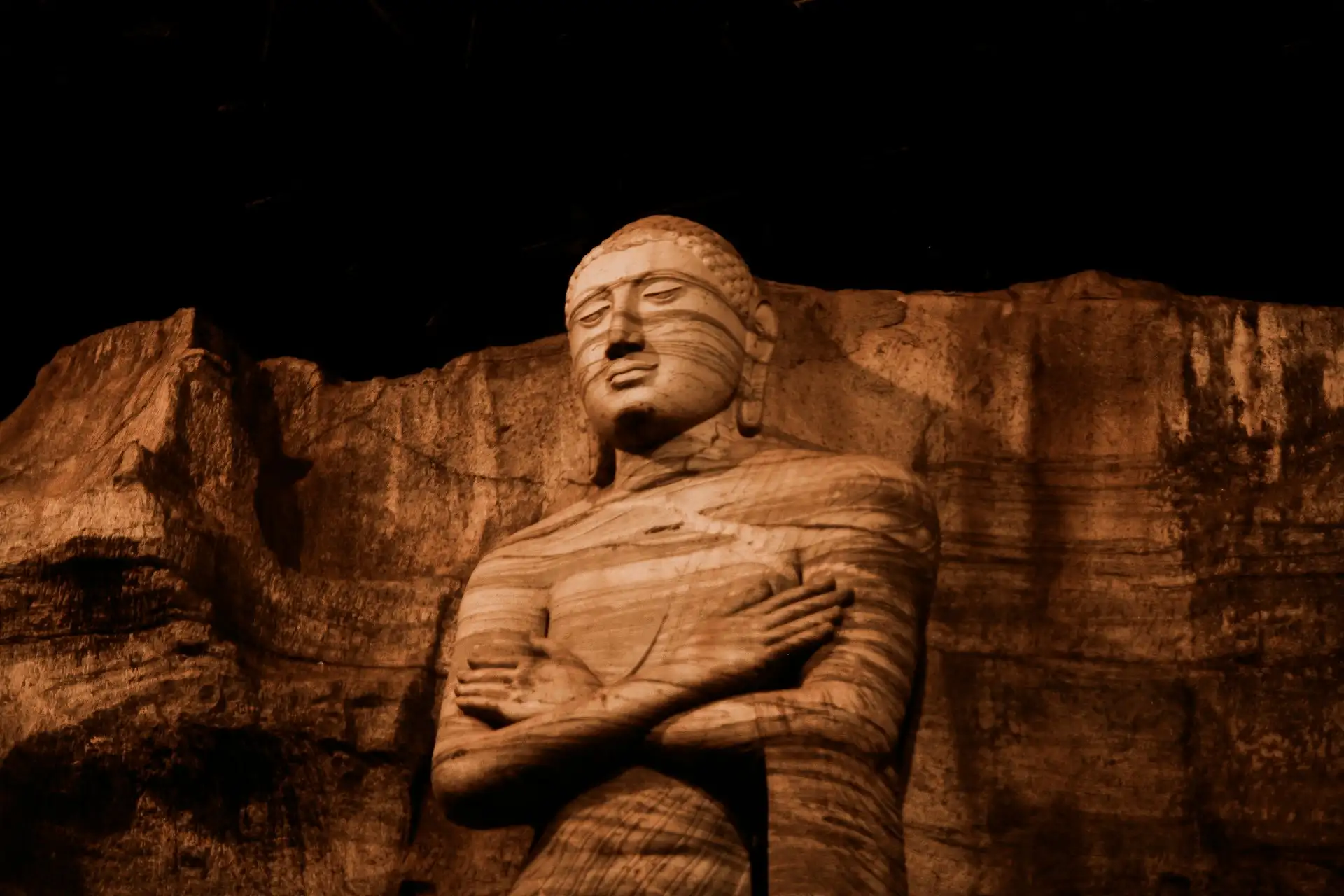
Temples function as community hubs as much as religious sites, hosting everything from meditation retreats to primary school classes. Kandy’s Temple of the Tooth, home to a relic believed to be from the Buddha himself, sits at the very centre of Sri Lankan culture and draws pilgrims from across the Buddhist world. Morning and evening ceremonies here, accompanied by drumming and chanting, are genuinely moving even for visitors with no religious background of their own.
Hinduism in the North and East
Tamil Hindu communities, concentrated around Jaffna and the eastern coast, bring a completely different visual and spiritual texture to the island. Brightly painted kovils dedicated to deities like Murugan and Ganesh stand out sharply against the more subdued Buddhist architecture further south, and festivals here involve colour, fire, and processions that reward a bit of planning to witness properly.
Islam and Christianity’s Place in the Mix
Arab traders brought Islam to the island over a thousand years ago, and Muslim communities remain concentrated along the coast and in Kandy, contributing distinct food traditions and architecture to Sri Lankan culture. Christianity, introduced by Portuguese and later Dutch and British colonisers, left behind churches, cathedrals, and communities particularly strong around Negombo, sometimes still called Little Rome for its concentration of Catholic churches.
Festivals That Bring Sri Lankan Culture to Life
Nothing showcases culture and tradition quite as vividly as Sri Lanka’s festival calendar, and timing a visit around one of these events adds a layer to a trip that sightseeing alone cannot replicate.
Sinhala and Tamil New Year
Celebrated in mid-April, this is arguably the most unifying festival on the island, observed by both Sinhalese and Tamil communities with new clothes, traditional games, and elaborate home-cooked meals. Streets empty out as families gather, giving visitors a rare glimpse of domestic life usually hidden behind closed doors.
Esala Perahera
Held in Kandy over ten nights, this is the grandest expression of Buddhist culture and tradition anywhere on the island, featuring decorated elephants, fire dancers, drummers, and whip crackers parading through torchlit streets. It ranks among the most spectacular cultural events in Asia and consistently tops the list for travellers wanting to witness the island at its most spectacular.
Vesak Poya
Marking the Buddha’s birth, enlightenment, and death, Vesak transforms towns and cities with elaborate lantern displays and free food stalls run by volunteers. It is one of the gentler, more reflective sides of island life, worth experiencing even briefly if your travel dates allow.
Deepavali and Ramadan
The Hindu festival of Deepavali and the Muslim observance of Ramadan bring their own distinct rhythms to Sri Lankan culture, from oil lamps and sweets during Deepavali to the shared evening meals that mark the breaking of the fast during Ramadan. Both offer genuine insight into communities that sit outside the Buddhist majority but remain deeply woven into the island’s culture and tradition.
Ayurveda: An Ancient Wellness Thread in Sri Lankan Culture
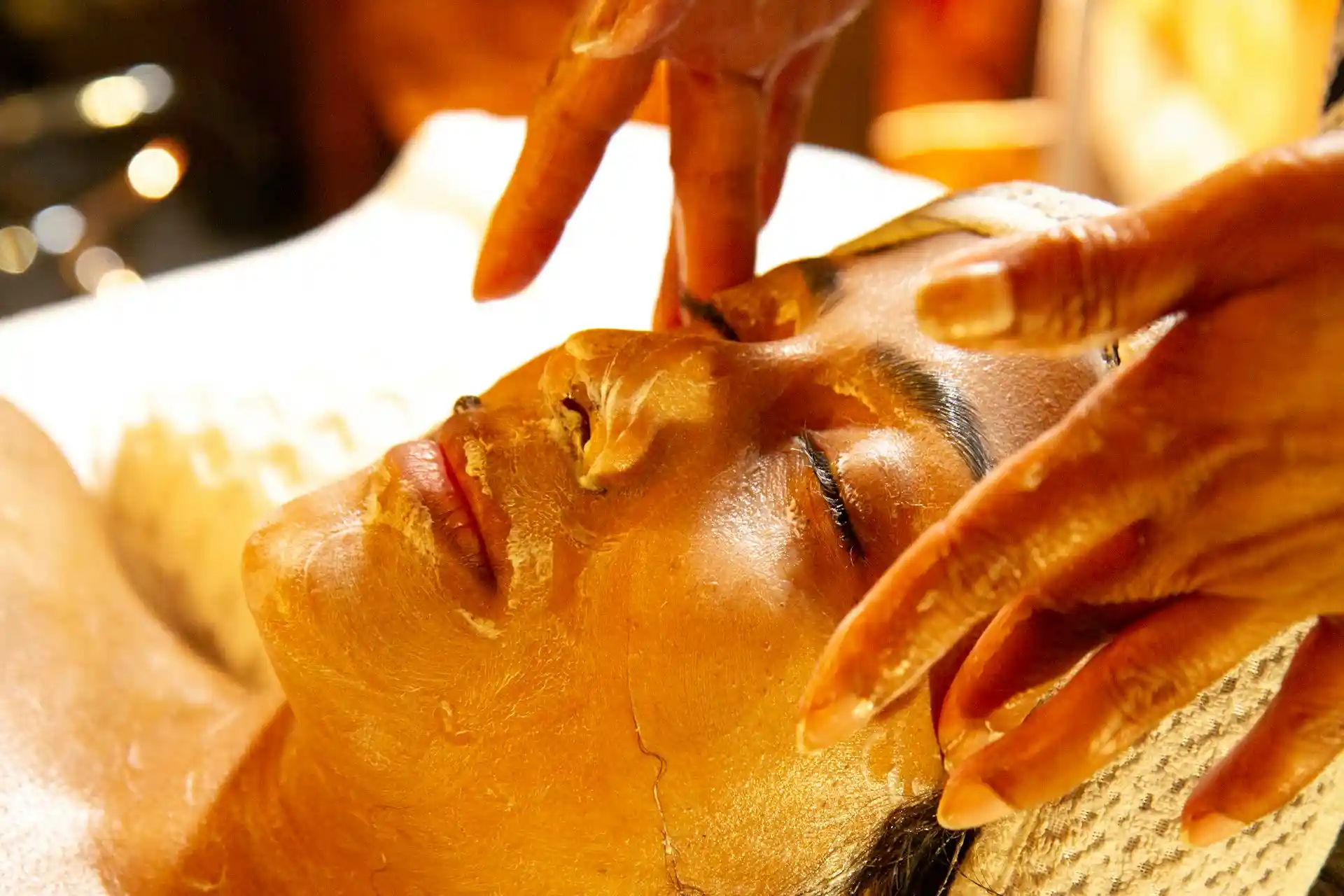
Ayurveda has been practised on the island for over two thousand years, and it remains deeply embedded in Sri Lankan culture as both a medical system and a broader philosophy of balance. Traditional Ayurvedic doctors still treat patients using herbal remedies, oil treatments, and dietary guidance rooted in principles far older than modern pharmacology.
For travellers, Ayurveda treatments usually appear in a gentler form: spa treatments, herbal steam baths, and consultations at wellness retreats built specifically around this piece of culture and tradition. Even a single treatment gives a real sense of how deeply Ayurveda is woven into everyday island life, well beyond the spa menus aimed at tourists. Spice gardens across the cultural triangle often double as informal Ayurveda classrooms, explaining how everyday ingredients like turmeric, cardamom, and neem fit into a much older approach to wellbeing.
Dance, Music and Craft in Sri Lankan Culture
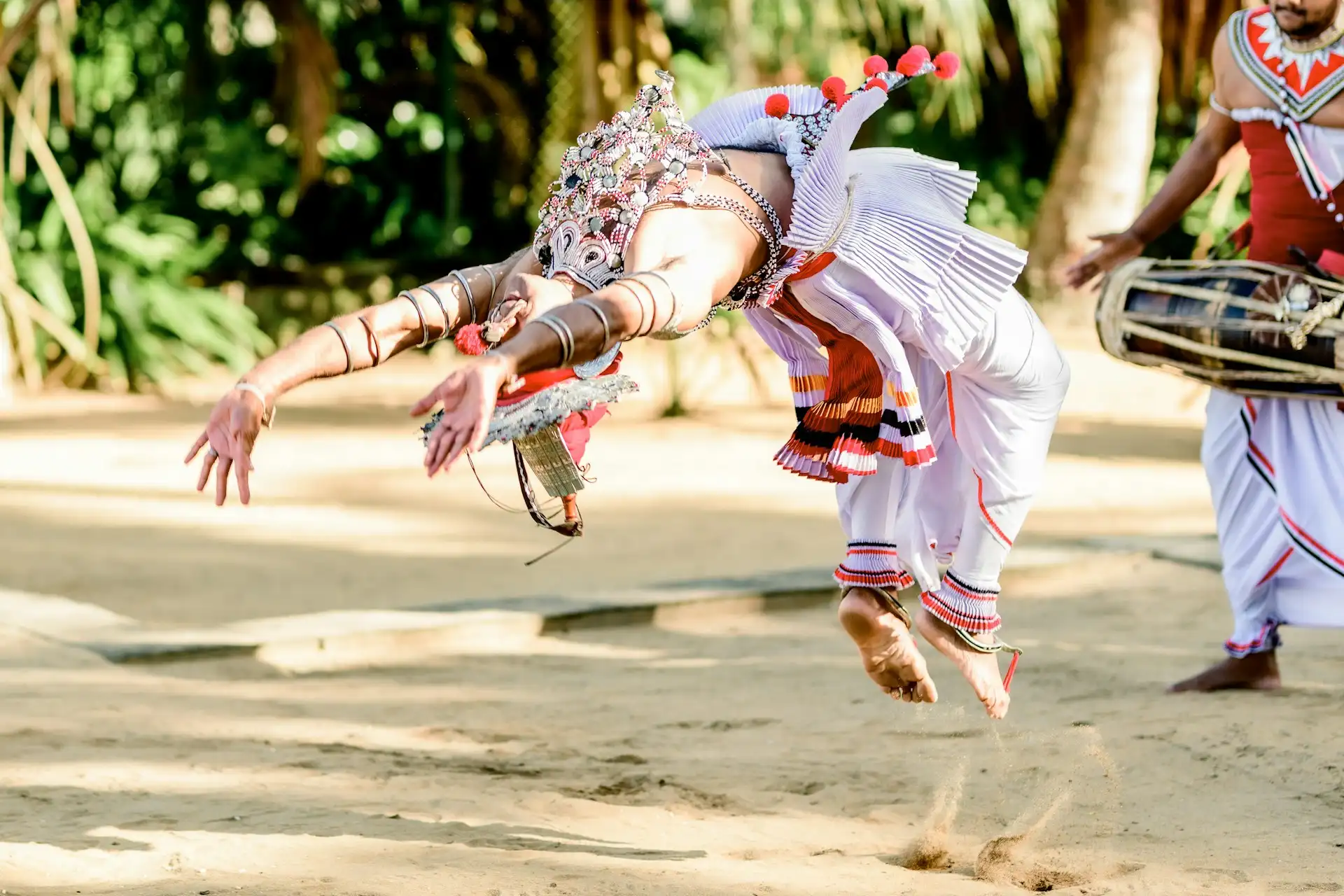
Kandyan dance, with its elaborate costumes, drumming, and acrobatic movement, is probably the most recognisable performing art tied to Sri Lankan culture, and evening cultural shows built around it are a fixture of most Kandy itineraries. Traditional mask carving, particularly around the southern town of Ambalangoda, preserves another thread of culture and tradition, with brightly painted devil masks once used in ritual healing ceremonies and now sold as genuinely striking pieces of folk art.
Batik textiles, handloom weaving, and lacquer work round out the craft side of Sri Lankan culture, and visiting a small workshop rather than a large retail outlet usually means talking directly with the artisans keeping these traditions alive. Music follows a similar pattern, with drumming traditions passed down through families rather than formal schools, keeping this craft genuinely local rather than performed purely for visitors.
Colonial Heritage and Architecture Across the Island
Nearly five hundred years of Portuguese, Dutch, and British rule left a distinct architectural fingerprint that sits alongside older Buddhist and Hindu monuments. Galle Fort, a UNESCO-listed old town on the south coast, remains the clearest example, with cobbled streets, rampart walls, and Dutch colonial villas now converted into cafes and boutique guesthouses. Colombo carries a similar layering, with colonial-era clock towers and administrative buildings standing a short walk from busy modern markets.
Negombo’s fishing harbour and lagoon reflect a slightly different colonial legacy, shaped heavily by Portuguese missionaries and still visibly Catholic in its churches and street festivals. Tea estates across the hill country, meanwhile, trace back to British planters who reshaped entire mountain ranges into plantation land during the nineteenth century, an industry that still employs a huge number of families today and remains central to the country’s economy and export identity.
Traditional Games, Village Life and Everyday Customs
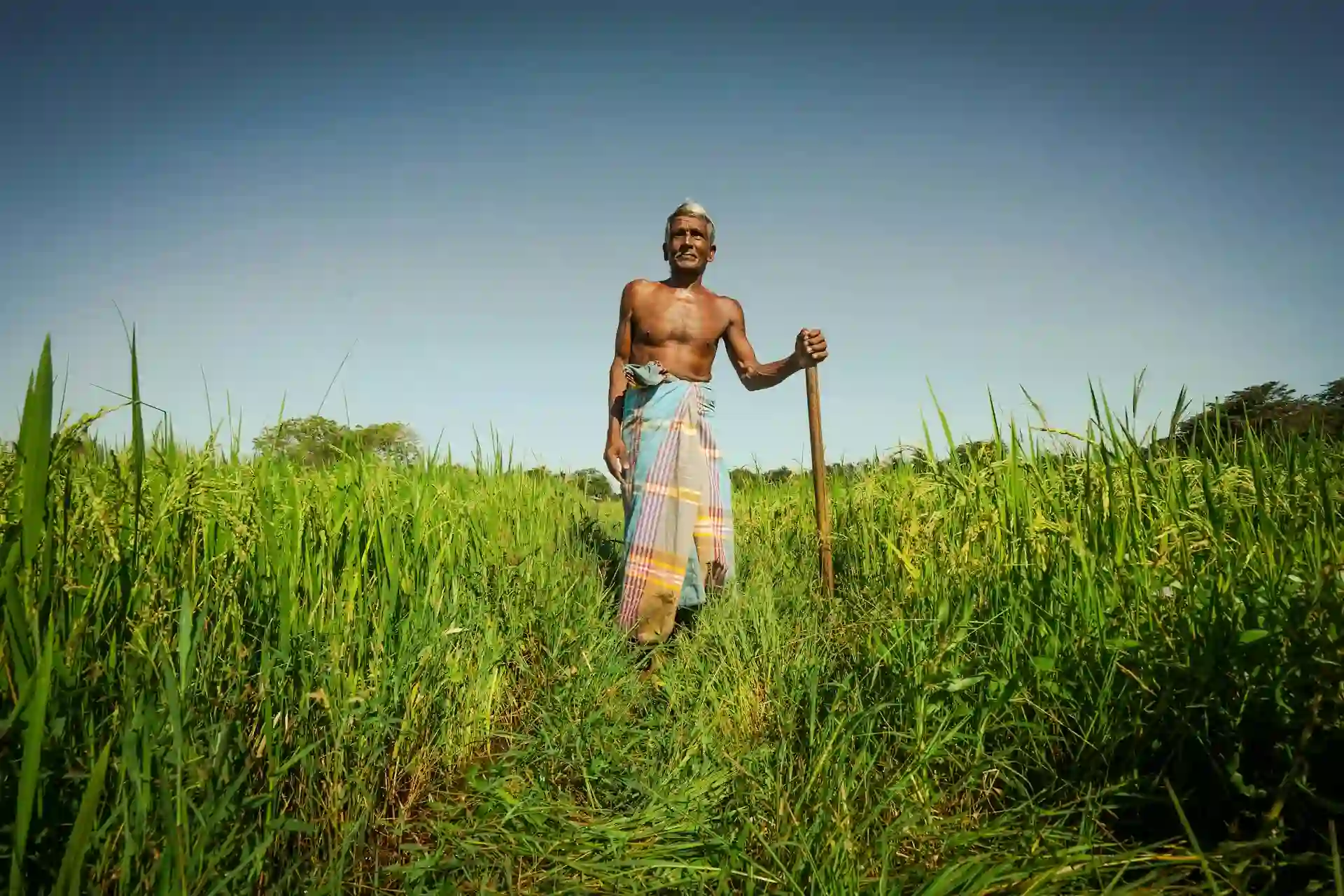
Village life outside the main tourist circuit still moves at a noticeably different pace, built around rice farming cycles, communal wells, and small roadside shops selling little more than the essentials. Traditional games like elle, a bat and ball game similar to rounders, and various forms of stick fighting remain popular at village festivals and school sports days, offering visitors a glimpse of recreation that predates any imported sport.
Extended families often live across multiple generations under one roof or within the same compound, and decisions, celebrations, and even day-to-day chores tend to be shared rather than handled individually. Homestays and village-based tours give travellers a rare, respectful window into this side of daily life, usually arranged through a local guide who already has relationships with the families involved rather than turning up unannounced.
Useful Sinhala and Tamil Phrases for Travellers
Learning a handful of words in Sinhala or Tamil goes a long way, even if pronunciation is not perfect. Ayubowan, a Sinhala greeting meaning roughly “may you live long,” is offered with a small bow and pressed palms, and using it in return is always well received. Istuti, meaning thank you, and kohomada, a casual how are you, round out a short but genuinely useful starter list.
In Tamil-speaking areas, vanakkam serves as both hello and goodbye, while nandri covers thank you. Shopkeepers, drivers, and hotel staff consistently light up at even a clumsy attempt, and it tends to open doors, quite literally in some cases, that stay closed for visitors who never try.
Etiquette Tips for Respecting Sri Lankan Culture as a Visitor
Covered shoulders and knees are expected at any religious site, and shoes come off before entering temples, kovils, and mosques alike. Photographing yourself with your back to a Buddha statue is considered deeply disrespectful within Sri Lankan culture, as is any photo that could be read as mocking a religious image.
Small gestures matter too. Using your right hand for eating and handing over money, removing your hat in religious spaces, and asking before photographing individuals all show a basic respect for local customs that Sri Lankans notice and appreciate. None of this is complicated, and locals are generally very forgiving of visitors who make a genuine effort to get it right.
Markets, Spice Gardens and Everyday Trade
Local markets remain one of the most honest places to see everyday island life in motion, from fish auctions along the coast at dawn to inland vegetable markets piled high with jackfruit, mangosteen, and king coconut. Bargaining is expected in most stalls, though good-natured rather than aggressive, and a little humour usually goes further than a hard negotiating stance.
Spice gardens, particularly common around Matale and the cultural triangle, double as informal classrooms explaining how cinnamon, pepper, cardamom, and vanilla are grown and processed, often with an Ayurvedic angle woven through the tour. These visits work well early in a trip, since they give useful context for flavours and remedies that keep reappearing throughout an itinerary, from a curry at dinner to a herbal oil massage a few days later.
Smaller family-run stalls, particularly in inland towns away from the main tourist strip, are often where the most memorable exchanges happen, whether that is a vendor insisting you try a slice of jackfruit before buying or an elderly shopkeeper recounting how his father built the business decades earlier. These moments rarely make it into a brochure, yet they tend to be the ones travellers bring up months later when describing what actually stayed with them.
Where to Experience Sri Lankan Culture and Tradition on a Private Tour
A private, tailor-made itinerary makes it far easier to build genuine cultural depth into a Sri Lanka trip rather than rushing past temples on a fixed group schedule. A knowledgeable local guide can time a visit around a festival, arrange a private audience with an Ayurvedic practitioner, or simply explain the meaning behind a ritual you would otherwise walk straight past. This kind of access is where Sri Lankan culture stops feeling like a backdrop and starts feeling like something you are genuinely part of, even briefly.
Kandy, Anuradhapura, and Polonnaruwa remain the anchor points for anyone wanting a deep dive into Sri Lankan culture and tradition, while Galle and Negombo add colonial and coastal layers to the story. A guide who grew up within this culture and tradition brings context no guidebook can match, from which temple ceremonies welcome visitors to which craft workshops are worth the detour, and which quiet back streets hold more character than the well-trodden main road ever will.
Best Time to Experience Sri Lankan Culture and Festivals
April brings Sinhala and Tamil New Year, while Esala Perahera typically falls in July or August, so travellers hoping to witness these signature events should plan around those windows specifically. Vesak Poya lands in May, and Deepavali shifts each year according to the lunar calendar, usually landing between October and November.
Outside festival season, daily life remains fully on display year-round through temple visits, food, craft, and ritual, so there is no wrong time to explore this side of the island. Building a festival date into your itinerary simply adds an extra layer on top of an already rich cultural experience.
Packing and Practical Tips for a Culturally Immersive Trip
A few modest outfits, covering shoulders and knees, earn their place in any suitcase heading toward temples, kovils, or mosques, alongside a light scarf that doubles as a head covering when needed. Slip-on shoes make repeated temple visits far less of a hassle than laces that need untying at every doorway.
Cash in small denominations helps at markets and smaller family-run workshops, where card readers are far less common than in hotels and larger restaurants, and it is worth keeping a stash of coins handy for temple donation boxes along the way. Building in unhurried time, rather than scheduling every hour, tends to produce the richest moments, since some of the best encounters happen when a monk, a shopkeeper, or a fellow traveller simply strikes up a conversation that was never on the itinerary and ends up being the story you tell first once you are home.
Start Planning Your Sri Lanka Tour Today
Sri Lankan culture rewards travellers who slow down enough to notice it, in a temple courtyard at dawn, a spice garden explaining Ayurvedic remedies, or a family sharing a meal cooked the same way for generations. Food, faith, festivals, and wellness traditions are not separate boxes to tick; they are threads of the same rich culture and tradition that makes Sri Lanka feel entirely unlike anywhere else in Asia.
Talk to a Sri Lanka Expert at Sesatha Travel to build a trip around the parts of Sri Lankan culture that interest you most. As an Australian-owned, ATIA-accredited specialist with a five-star reputation among Australian travellers, we handle the details so your holiday goes beyond sightseeing.