



Best Locations for a Heritage Tour
Sri Lanka packs an unusual amount of range into one small island, and the strongest heritage tour itineraries move between several distinct regions rather than settling on just one. Each location below offers a genuinely different flavour of cultural travel, which is exactly why moving between them tends to make for a far richer trip than parking yourself in a single ancient city for a week.
Sigiriya
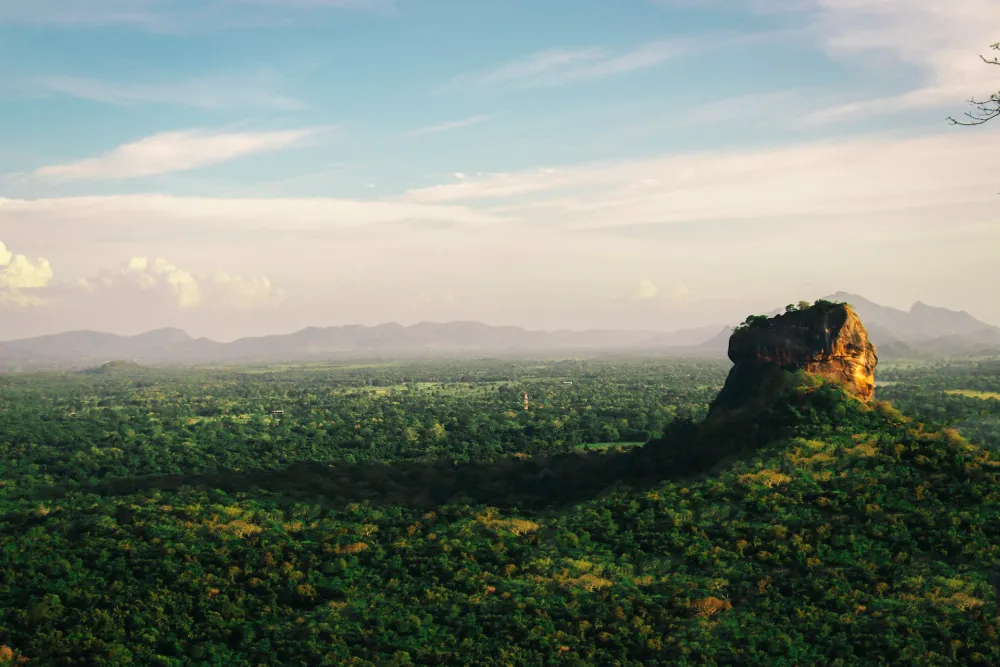
The fifth century rock fortress is the single most photographed stop on any heritage tour of the island, and for good reason: the climb past the ancient frescoes and the polished mirror wall opens onto a summit view across the jungle that nothing else on the itinerary quite matches.
Kandy
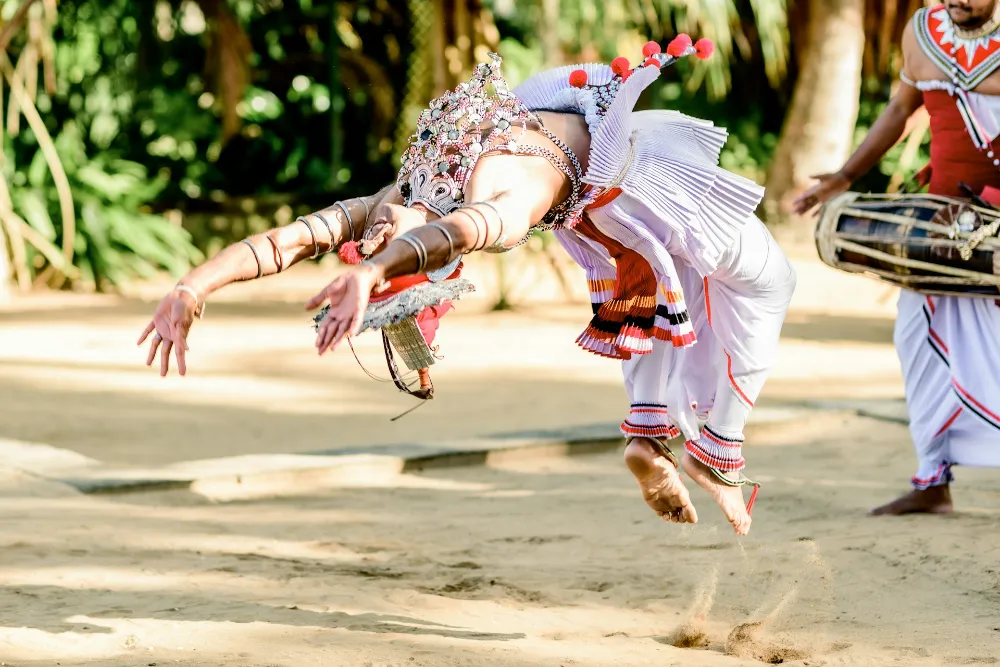
Sri Lanka’s last royal capital centres on the Temple of the Tooth Relic, and the evening puja there, drummers, chanting, incense, and a crowd of devotees, is one of the most memorable stretches of cultural travel anywhere in the country. Kandy also makes a comfortable base for the surrounding hill country, and the lake walk around the old town at dusk is a quieter, less advertised slice of cultural travel worth building into the day.
Anuradhapura and Polonnaruwa
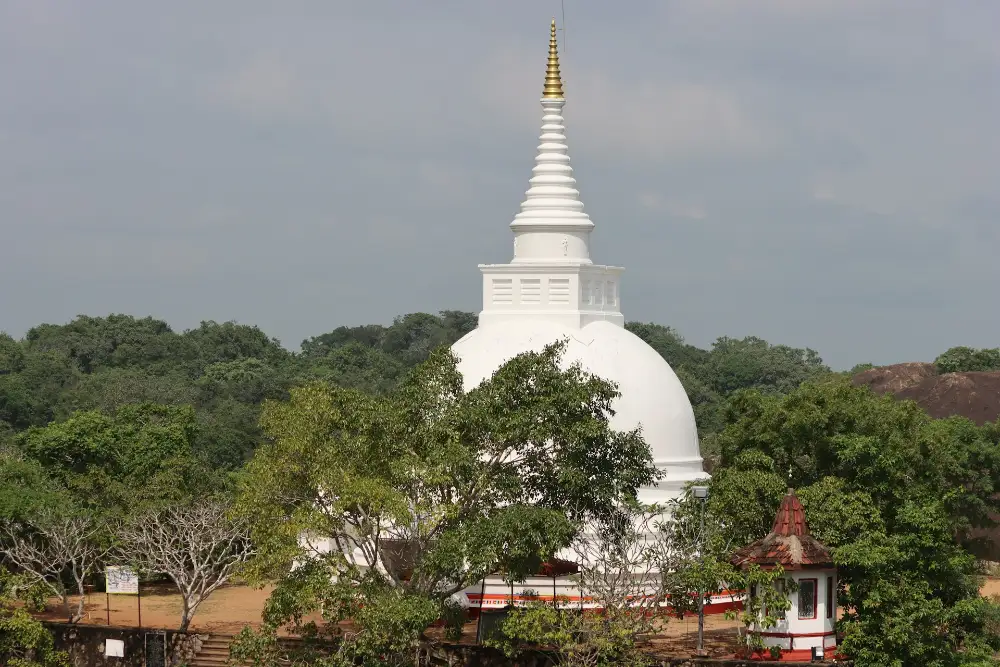
These twin ancient capitals anchor most of a proper heritage tour through the Cultural Triangle. Anuradhapura dates back over two thousand years and centres on the sacred Bo tree, grown from a cutting of the original tree under which the Buddha is said to have gained enlightenment, while Polonnaruwa’s more compact ruins are easily explored by bicycle in a single unhurried morning, stopping wherever something catches your eye rather than following a fixed walking route.
Dambulla
The cave temples here, carved into a rock face and painted with over a hundred and fifty Buddha statues, are a shorter stop than Sigiriya or Anuradhapura but sit conveniently between the two, making them an easy addition to most Cultural Triangle routes and a good example of how compact this style of cultural travel really is once the logistics are handled properly.
Galle Fort
Add a night or two in Galle and a heritage tour picks up a completely different texture, Dutch and Portuguese colonial lanes layered over centuries rather than ancient stone, and it pairs naturally with a few relaxed days on the south coast straight afterwards, close enough that the transfer barely eats into a single afternoon.
Jaffna
Often left off a first Sri Lanka itinerary entirely, Jaffna offers Hindu temples, Dutch fort ruins and a genuinely different side of cultural travel that very few Australian visitors have seen, now that access from Colombo has become considerably easier. It rewards travellers who have already covered the south and want something the guidebooks have not caught up to yet.
What Makes a Heritage Tour Memorable
Ask past clients what actually stuck from their trip, and the answers rarely sound like a list of monuments. A handful of things tend to separate a heritage tour people still talk about years later from one they barely remember.
The Right Guide
A good guide is the single biggest factor in how a heritage tour actually lands. Anyone can stand in front of Sigiriya, but knowing that the rock was briefly a fifth-century royal palace, abandoned within a generation and rediscovered by British colonial surveyors centuries later, changes what you are actually looking at. Without that context, cultural travel through the Cultural Triangle is just an expensive walk between old stones, which is why we brief every guide on storytelling as much as on historical accuracy.
The Right Pace
Two ancient cities crammed into a single day rarely leave either one properly absorbed. A heritage tour paced at roughly one major site per half day gives the history enough room to actually settle, and it is the single change we recommend most often to first-time visitors who arrive planning to see everything in three days flat.
The Right Timing
Arriving before the crowds changes everything, whether that means Sigiriya at sunrise or Anuradhapura’s sacred grounds before the day trippers roll in. The same site at 7am and at midday can feel like two completely different places, and a heritage tour built around that timing tends to be the one people remember most fondly. This is a big part of why cultural travel through the Cultural Triangle rewards an early alarm far more than it punishes one.
How to Plan the Perfect Cultural Tour
Getting the planning right matters more than most people expect, and a few decisions made early tend to shape the whole trip.
Start with the Cultural Triangle round ticket, the official pass issued by the Central Cultural Fund, which bundles entry to Sigiriya, Polonnaruwa, Anuradhapura, Dambulla and several smaller sites into a single purchase rather than paying separately at each gate. It is one of the first things we sort out for clients before a heritage tour begins, and sites bought under the same pass are best visited within its validity window, which is exactly why a well-sequenced cultural tour rarely wanders back and forth across the island. Kandy’s Temple of the Tooth sits outside this pass and is ticketed separately, a detail that catches out more first-timers than you would expect.
From there, sequence the sites sensibly; most itineraries run best moving from Sigiriya to Dambulla to Kandy, or the reverse, rather than doubling back. Book a licensed guide well ahead of peak season, since the good ones fill up months in advance around December to March, and confirm in writing exactly which sites, transfers, and entry fees are included before you pay any deposit. Generic quotes found online rarely spell any of this out clearly enough to compare properly.
Finally, treat a cultural tour as one strand of a longer trip rather than the whole holiday, pairing it with the south coast, the hill country, or a few days of wildlife safari either side tends to make the ancient cities feel sharper by contrast rather than diluted by everything around them. Done this way, cultural travel becomes one very memorable chapter of a bigger Sri Lanka story rather than the entire book.
What Nobody Tells You Before a Heritage Tour
A handful of practical details that rarely make it into generic Sri Lanka travel guides. Dress modestly at every religious site, shoulders and knees covered, and be ready to remove shoes and hats before entering temple grounds. The stone floors get genuinely hot by midday, so socks are worth packing.
Photography is free at most Cultural Triangle sites but restricted or fee-based in a few specific spots, including some interior areas at Dambulla, so it pays to ask before shooting rather than after. Always check that a guide is licensed through the Sri Lanka Tourist Board; an unlicensed guide at a major site is common and usually means outdated or simply incorrect information.
It is also worth carrying small change for site entry queues and local facilities; larger notes are not always easy to break at rural ticket counters, and a card is rarely accepted outside the bigger towns. Bring more water than feels necessary, several major sites have long, shadeless stretches between the entrance and the main structure, and the heat catches out more travellers on a heritage tour than almost anything else on the trip.
Footwear matters more than people expect, too: closed shoes for the Sigiriya climb, but something easy to slip on and off for the dozen or so temple entries you will make across a typical week. And build in buffer time between sites rather than scheduling back-to-back; Sri Lankan roads are slower than distances on a map suggest, and a heritage tour that runs on a tight clock tends to feel like a race rather than a holiday.
Weaving a Heritage Tour Into the Rest of Your Sri Lanka Trip
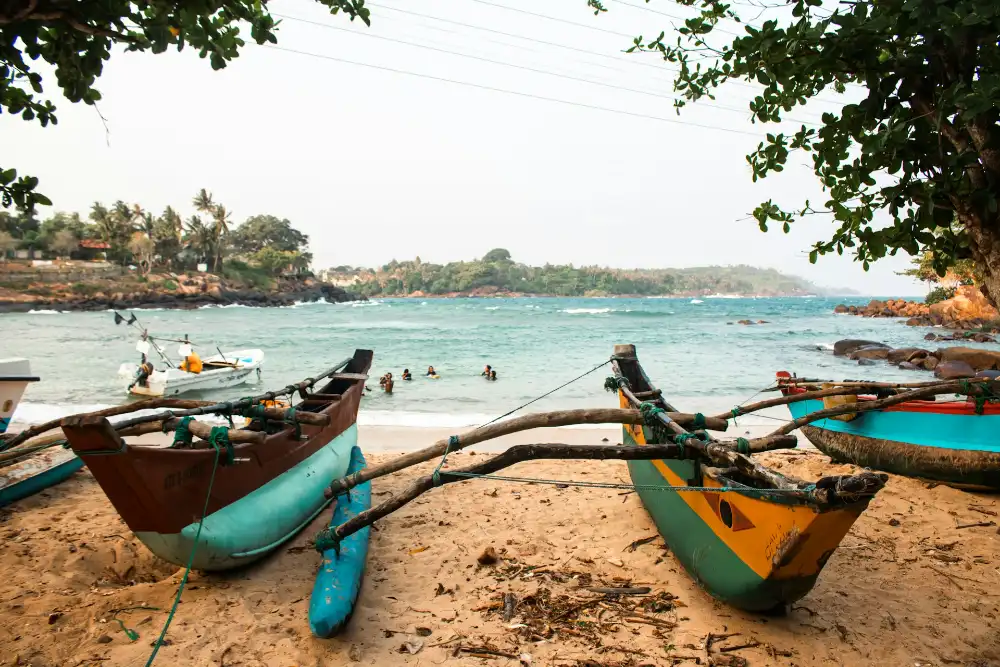
None of this needs to be its own separate holiday. Most of our clients treat the ancient cities as one strand of a longer Sri Lanka trip rather than the whole itinerary. Pair a heritage tour with a few nights on the south coast, and the contrast alone makes both halves feel sharper, temples and ruins against warm water and slower mornings. Add a couple of days in the hill country around Ella and Nuwara Eliya, and the heritage angle shifts from ancient stone to colonial-era tea estates and railway lines, a completely different texture of history from the same trip.
Travellers heading north sometimes extend into Jaffna, where Hindu temples and Dutch fort ruins offer a side of cultural travel that very few Australian visitors ever see, since access there has only become straightforward in the past several years. For families or groups wanting wildlife alongside the history, a few days in Yala or Wilpattu slot in naturally either before or after the Cultural Triangle leg without disrupting the pacing of either.
None of these combinations dilute the heritage tour itself; if anything, the contrast tends to make the ancient cities feel more distinct in hindsight rather than blurring together with the rest of the trip, which is the opposite of what a lot of first-time visitors worry about before they book.
Hill Country Heritage: Tea, Trains and Colonial Sri Lanka
Not every layer of Sri Lanka’s history is ancient. Up around Ella and Nuwara Eliya, the heritage on show belongs to the British planter era, colonial bungalows, working tea estates that still process leaf by hand in places, and a narrow-gauge railway line that has barely changed since it was built.
Adding two or three nights here after the Cultural Triangle gives a heritage tour a completely different rhythm, cooler air, slower mornings, and a kind of cultural travel that runs on industry and everyday colonial life rather than temples and kings. It also tends to be the part of the trip clients undersell before they go and overrate afterwards; most people arrive expecting scenery and leave talking about the tea factory tour or the train journey itself.
What Does It Actually Cost?
Rough figures rather than vague reassurance. Entry tickets across the main Cultural Triangle sites typically run somewhere between AUD 40 and AUD 90 per person, depending on which combination you visit, on top of a separate ticket for Kandy’s Temple of the Tooth at a more modest cost. A private guide for a multi-day heritage tour generally adds AUD 60 to AUD 110 per day, and a private vehicle with driver for the same stretch runs roughly AUD 70 to AUD 130 per day, depending on group size and vehicle type.
Accommodation is the biggest swing factor, anywhere from AUD 90 a night for a comfortable mid-range hotel near Sigiriya or Kandy up to AUD 400 or more for a boutique or luxury stay. Stack it together and a five to eight-day heritage tour for a couple, tickets, guide, vehicle, and mid-range accommodation included, usually lands somewhere between AUD 1,600 and AUD 3,400 all up, well before flights. Group size changes the maths meaningfully too, since the guide and vehicle costs get split rather than doubled, which is one reason families and small groups often find cultural travel through the Cultural Triangle better value per person than couples travelling alone.
When to Go and How Far Ahead to Book
The Cultural Triangle sits in Sri Lanka’s dry zone, so unlike the south coast, it stays reasonably comfortable to visit across most of the year. December through March bring the clearest conditions but also the biggest crowds, particularly at Sigiriya from mid-morning onward. April and the stretch from September through November tend to be quieter without sacrificing much weather-wise, and Anuradhapura and Polonnaruwa rarely feel crowded regardless of season simply because they cover so much ground.
If your dates line up with Kandy’s Esala Perahera festival, book accommodation there several months out; rooms disappear fast once the festival calendar is confirmed. For the heritage tour portion specifically, we usually recommend locking in guides and Cultural Triangle logistics at least six to eight weeks ahead during peak months, and closer to four weeks is fine outside that window.
How Sesatha Travel Designs a Heritage Tour Around You
We build the ancient cities leg of a trip the same way every time, around the traveller rather than a fixed template. A short, focused introduction suits travellers who are tight on time, while a longer route can pair a full heritage tour with proper beach time for anyone wanting both halves of the island covered properly. Clients drawn more to temples and pilgrimage sites tend to gravitate toward an itinerary built around the island’s spiritual sites and temple circuits, and anyone wanting to combine the ancient cities with wildlife can add a safari leg without much trouble.
If Jaffna’s Tamil and Dutch heritage is calling, we can build in time there as well, since it covers ground almost nobody else in the Australian market runs regularly. Every one of these can be adjusted, extended, or combined, since the itinerary is built around your dates and interests rather than the other way around. We also handle the parts most travellers would rather not deal with themselves, booking the Cultural Triangle round-trip ticket in advance, matching you with a licensed guide who actually suits your pace, and sequencing sites so a heritage tour never doubles back across the island for the sake of a cheaper hotel.
Your Heritage Tour Starts With the Right Plan
A heritage tour of Sri Lanka rewards travellers who slow down enough to actually absorb what they are looking at, rather than ticking off a list of ancient names. Between the Cultural Triangle’s ticketed sites, the layered colonial streets of Galle, and the quieter cultural travel found further north in Jaffna, there is enough genuine substance here to anchor an entire trip, with plenty of room left over for the coast or the hills either side of it.
Every detail in this guide, the ticketing system, the costs, the timing, exists to make planning easier, but the itinerary itself still needs to fit your dates, your pace, and your interests specifically. Talk to a Sri Lanka expert at Sesatha Travel, and we will map out a trip built entirely around what you actually want to see, paced properly, ticketed correctly, and paired with whichever part of the island you want on either side of it. Get in touch and let’s start planning your custom itinerary.