



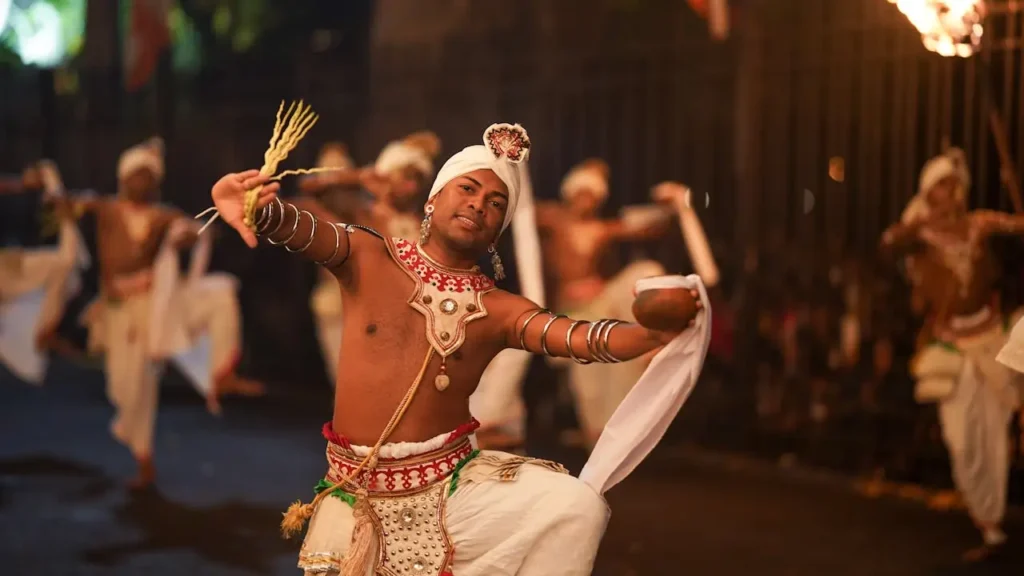
Why Seasonal Travel Planning Matters More in Sri Lanka Than Almost Anywhere Else
Sri Lanka is a small island with an outsized cultural calendar. Unlike destinations where festivals are occasional events dotted throughout the year, Sri Lanka observes a continuous cycle of religious, agricultural, and seasonal celebrations that touch almost every month. This is partly because the island is home to four major religious communities, each with its own traditions, and partly because the Buddhist lunar calendar designates every full moon day as a national holiday.
For the traveller who plans, that richness is an extraordinary opportunity. For the traveller who doesn’t, it can mean arriving just after the Kandy Perahera has finished, or spending Vesak in a town where the celebrations are muted compared to what’s happening two hours away. Getting the timing right is the difference between witnessing Sri Lanka culture at its most vivid and reading about it in a brochure afterwards.
There’s also the matter of the weather. Sri Lanka has two distinct monsoon seasons operating on opposite coasts simultaneously, which means that seasonal travel decisions aren’t just about festivals. They’re about which part of the island is accessible, dry, and at its most beautiful at the time you plan to visit. A well-designed itinerary accounts for both the cultural calendar and the meteorological one, and the combination of the two is where the best Sri Lanka trips are born.
Tip: Every full moon day in Sri Lanka is a national holiday (Poya Day), meaning many shops and businesses close and alcohol sales are restricted. If a Poya Day falls during your trip, lean into it rather than fighting it. Head to a temple, watch the offerings and prayers, and observe one of the most distinctive rhythms of Sri Lanka culture from the inside.
Seasonal Travel in Sri Lanka: January to March
The first quarter of the year is one of the finest times for seasonal travel to Sri Lanka. The southwest coast and the hill country are largely dry, the light is beautiful, and the cultural calendar kicks off with genuine ceremony.
Duruthu Perahera (January)
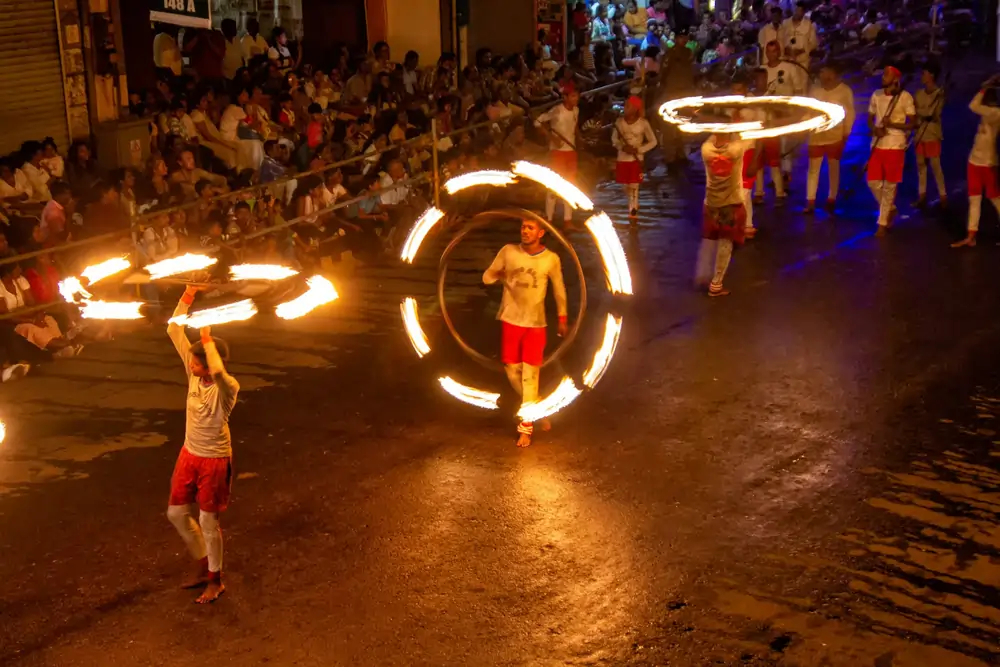
January opens with the Duruthu Perahera at the Kelaniya Raja Maha Viharaya, just outside Colombo. This multi-day procession commemorates the Buddha’s first visit to Sri Lanka and features everything the island does best in terms of ceremonial pageantry: ornately decorated elephants, traditional drummers, whip crackers, fire torch bearers, and thousands of white-clad devotees lining the streets.
What makes Duruthu special for the seasonal travel visitor is its intimacy. Compared to the Kandy Esala Perahera later in the year, this one feels more accessible, less crowded with foreign tourists, and closer to the ground level of everyday Sri Lanka culture. Kelaniya itself is a beautiful temple worth visiting at any time of year, but during Perahera season, it transforms entirely.
Thai Pongal (Mid-January)
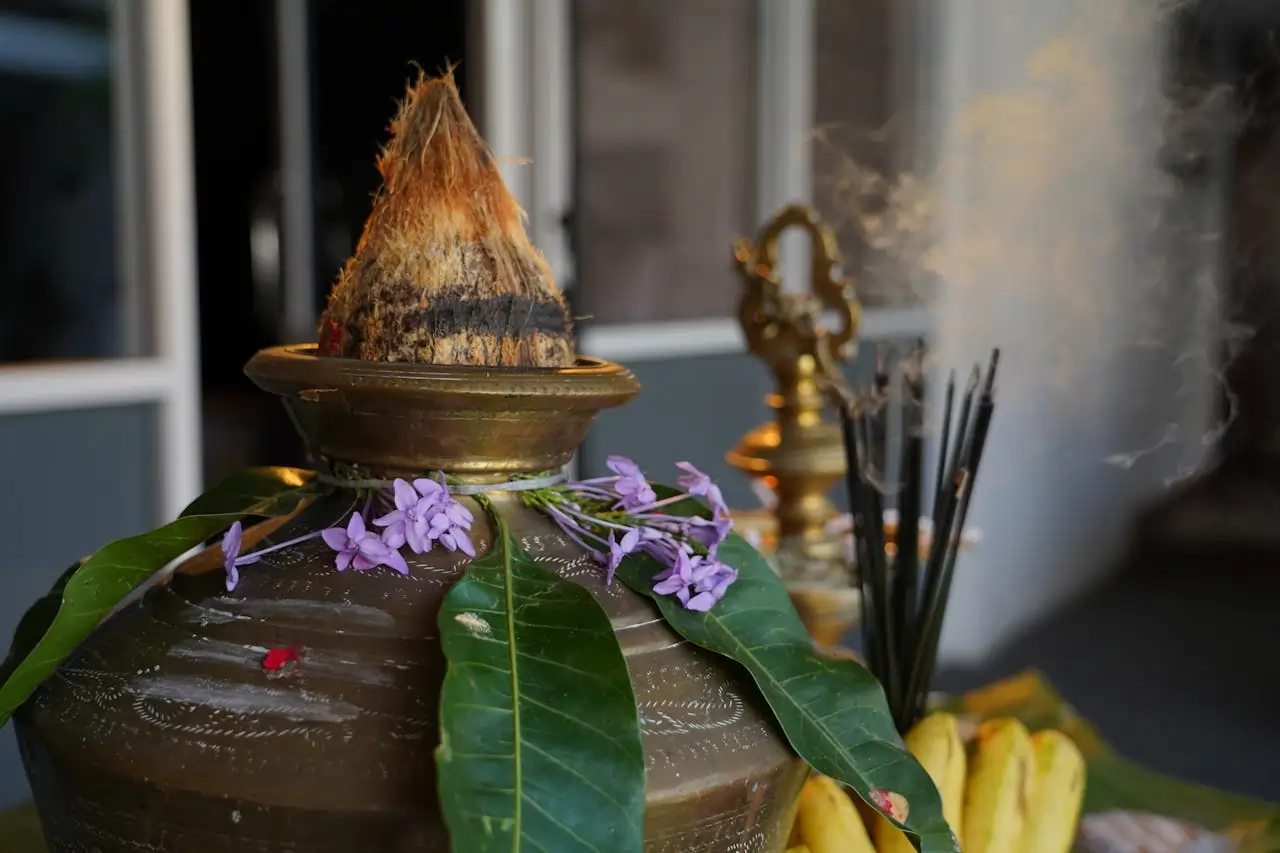
Celebrated by the Tamil Hindu community, Thai Pongal is a harvest thanksgiving festival with deep agricultural roots. Families prepare a sweet rice dish called Pongal in clay pots, decorated with fresh sugarcane and flowers, and offer it to the Sun God in gratitude for a bountiful season. Homes across the Northern and Eastern provinces are decorated with kolam patterns drawn in rice flour, and the atmosphere is warm, generous, and genuinely welcoming of curious visitors.
For Australians doing seasonal travel through Sri Lanka’s north, Thai Pongal is a window into a dimension of Sri Lanka culture that many visitors never see. The north is often underexplored precisely because most itineraries focus on the Cultural Triangle, the hill country, and the south coast. But a trip timed around Pongal in Jaffna is something you won’t forget.
Navam Perahera (February)
February brings the Navam Perahera to Colombo, organised by the Gangaramaya Temple in the heart of the city. This is one of the largest Buddhist processions in the capital, featuring hundreds of monks, ornately dressed performers, and magnificently adorned elephants processing around Viharamahadevi Park. For travellers arriving in Colombo as part of their seasonal travel itinerary, the Navam Perahera is a genuinely spectacular welcome to Sri Lanka culture that requires almost no effort to witness.
Maha Shivaratri (February or March)
One of the most sacred nights in the Hindu calendar, Maha Shivaratri draws thousands of devotees to major temples, including Koneswaram in Trincomalee, Munneswaram in Chilaw, and Thiruketheeswaram in Mannar. The festival is observed through night-long vigils, prayer, fasting, and the ritual bathing of Shiva Linghas with milk, honey, and flowers.
For the seasonal travel visitor, Maha Shivaratri offers a rare opportunity to witness the depth of Hindu devotion that has been part of Sri Lanka culture for millennia. The atmosphere at these ancient temples on this particular night is unlike anything else the island offers.
Seasonal Travel in Sri Lanka: April to June
The middle months of the year contain some of the most significant events in the entire Sri Lanka cultural calendar. April is arguably the single most important month for cultural seasonal travel, and May follows close behind.
Sinhala and Tamil New Year (April)
This is the celebration that defines Sri Lanka culture for most locals, and it is unlike any New Year you’ve experienced anywhere else. Based on the sun’s transit through the zodiac rather than the Gregorian calendar, the Sinhala and Tamil New Year typically falls around 13 or 14 April and is observed by both Sinhalese Buddhist and Tamil Hindu communities simultaneously.
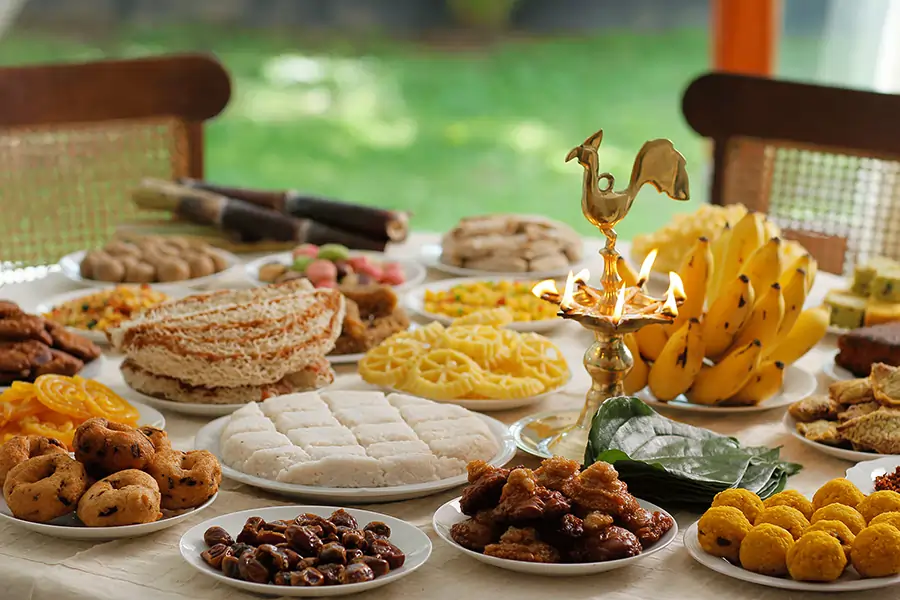
The celebration has a structure unlike a Western New Year. At a specific astrological time, all work ceases, and the nation enters a transitional period of spiritual activity. Then, at another auspicious time, families light the hearth, cook milk rice together, and sit down to eat as a household. Traditional sweets like kavum, kokis, aluwa, and mung kavum are prepared in batches days in advance. Village greens fill with people playing traditional games like kana muttiya (pot breaking) and rabana drumming circles.
For seasonal travel purposes, April is one of the most immersive months you can choose. The entire country participates in these celebrations, not just particular communities or regions. Wherever your itinerary takes you during this time, you will encounter Sri Lanka culture in one of its most joyful, family-centred expressions.
Vesak (May)
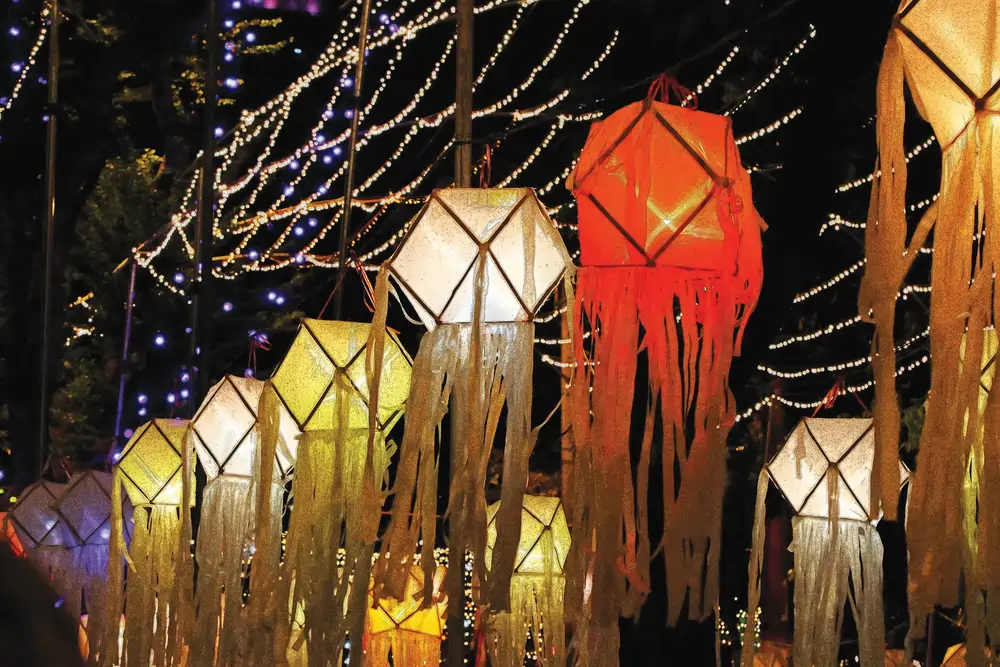
Vesak is the most sacred Buddhist holiday on the calendar, commemorating the birth, enlightenment, and passing of the Buddha. In Sri Lanka, it transforms the entire island. Streets in every city and town are strung with lanterns and illuminated displays. Elaborate pandols (backlit screens depicting Buddhist stories) are constructed at major intersections. Dansalas, or free food stalls, appear along roadsides, offering rice, fruit, and drinks to any passerby, stranger or local.
In Colombo, Bauddhaloka Mawatha becomes one of the most decoratively lit streets in the country. In Kandy, the lake and surrounding streets are reflected in the glow of lanterns. In Galle, the fort walls serve as a backdrop for some of the island’s most photogenic Vesak displays. This is Sri Lanka culture at its most generous and most beautiful, and it is genuinely one of the most moving nights you can spend anywhere in Asia.
For seasonal travel planning, alcohol is not available for purchase on Vesak Day, and many businesses close. Embrace this. The atmosphere it creates is worth far more than a drink.
Poson Poya (June)
June’s full moon marks Poson Poya, which celebrates the arrival of Buddhism in Sri Lanka over 2,300 years ago. The ancient city of Anuradhapura becomes the spiritual heart of the country for this occasion, with white-clad devotees walking in pilgrimage to the sacred Bodhi tree and the great dagobas. Mihintale, the rocky outcrop where Arahat Mahinda first preached to King Devanampiyatissa, draws enormous crowds of pilgrims who climb its ancient steps by lamplight.
As a seasonal travel experience, Poson in Anuradhapura is extraordinary. The combination of one of the world’s great archaeological sites and a living pilgrimage tradition creates an atmosphere that is both ancient and immediate. Sri Lanka culture doesn’t just preserve its history here; it actively inhabits it.
Seasonal Travel in Sri Lanka: July to September
This period contains what most travel writers agree is Sri Lanka’s single most spectacular event. The window from July to September is the peak seasonal travel season for cultural tourism, and for very good reason.
Esala Perahera, Kandy (July or August)
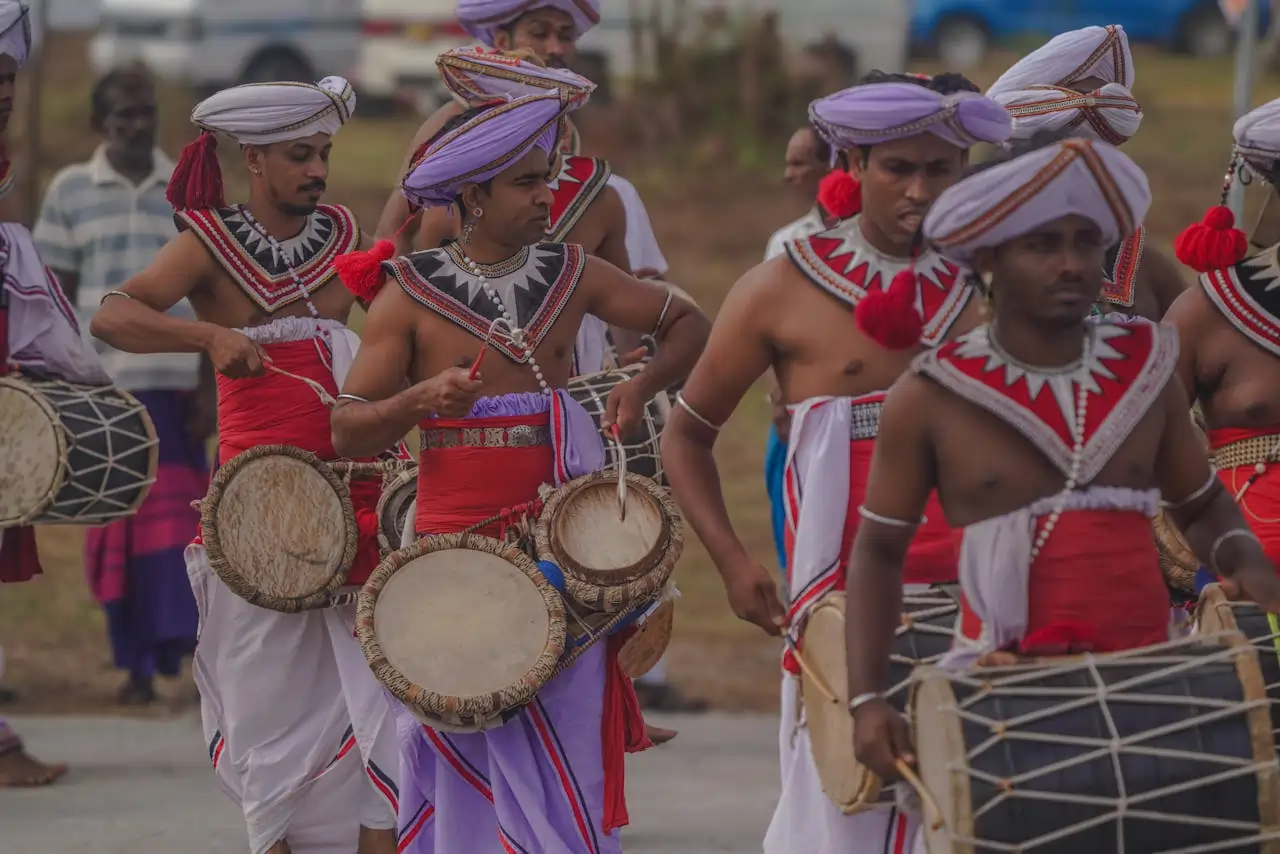
If you plan only one piece of seasonal travel in Sri Lanka around a cultural event, make it this one. The Kandy Esala Perahera is one of Asia’s oldest and most magnificent processions, held annually over ten nights in July or August to honour the Sacred Tooth Relic of the Buddha housed at the Temple of the Tooth (Sri Dalada Maligawa).
Over those ten nights, the procession grows progressively larger and more elaborate. By the final nights (the Randoli Perahera), the spectacle involves over a hundred elephants, thousands of performers, Kandyan drummers in full traditional dress, fire dancers, whip crackers, and the Maligawa Tusker carrying a golden casket representing the Sacred Relic. The streets of Kandy are packed, the air smells of incense and elephant, and the sound of the Kandyan drums is something that stays with you long after you leave.
This is Sri Lanka culture at its most theatrical and most devout simultaneously, and it is impossible to overstate how different it feels to witness it in person compared to watching a video of it. Book early. The best viewing positions and accommodation in Kandy during Perahera season are secured months in advance. If you’re planning seasonal travel to Sri Lanka and this is on your list, talk to a specialist about timing well ahead of your travel dates.
Vel Festival (July or August)
Around the same season, Colombo hosts the Vel Festival, one of the most vibrant Hindu celebrations in the capital. A gilded chariot carrying the divine silver Vel (the sacred spear of God Skanda) is pulled in procession through the streets from the Sea Street kovil in the Pettah district to the Bambalapitiya kovil, accompanied by devotees, musicians, and dancers. The streets become a moving river of colour, sound, and deep religious feeling.
For seasonal travel visitors staying in Colombo, the Vel Festival is an unmissable expression of the Tamil Hindu dimension of Sri Lanka culture that sits alongside and interweaves with the Buddhist traditions most travellers are more familiar with.
Kataragama Festival (July or August)
The Kataragama Esala Festival is one of the most remarkable cultural events in Sri Lanka, not just for its visual spectacle but for the extraordinary diversity of its participants. Buddhist, Hindu, and Muslim pilgrims converge on the sacred city of Kataragama in the deep south, many having walked barefoot for days through the jungle in acts of devotion and penitence.
The festivities include kavadi dances (in which devotees carry ornate structures sometimes attached to their bodies with hooks), fire walking across beds of burning coals, and elaborate temple rituals. It is confronting, moving, and completely unlike anything in the experience of most Australian travellers. This is seasonal travel for the genuinely curious, and Sri Lanka culture at its most ancient and uncompromising.
Seasonal Travel in Sri Lanka: October to December
The final quarter of the year is excellent for seasonal travel to the south and west of the island, with the northeast monsoon departing and the southwest coast entering its prime beach season. Culturally, it’s quieter than the middle months, but two significant celebrations make it worth planning around.
Deepavali (October or November)
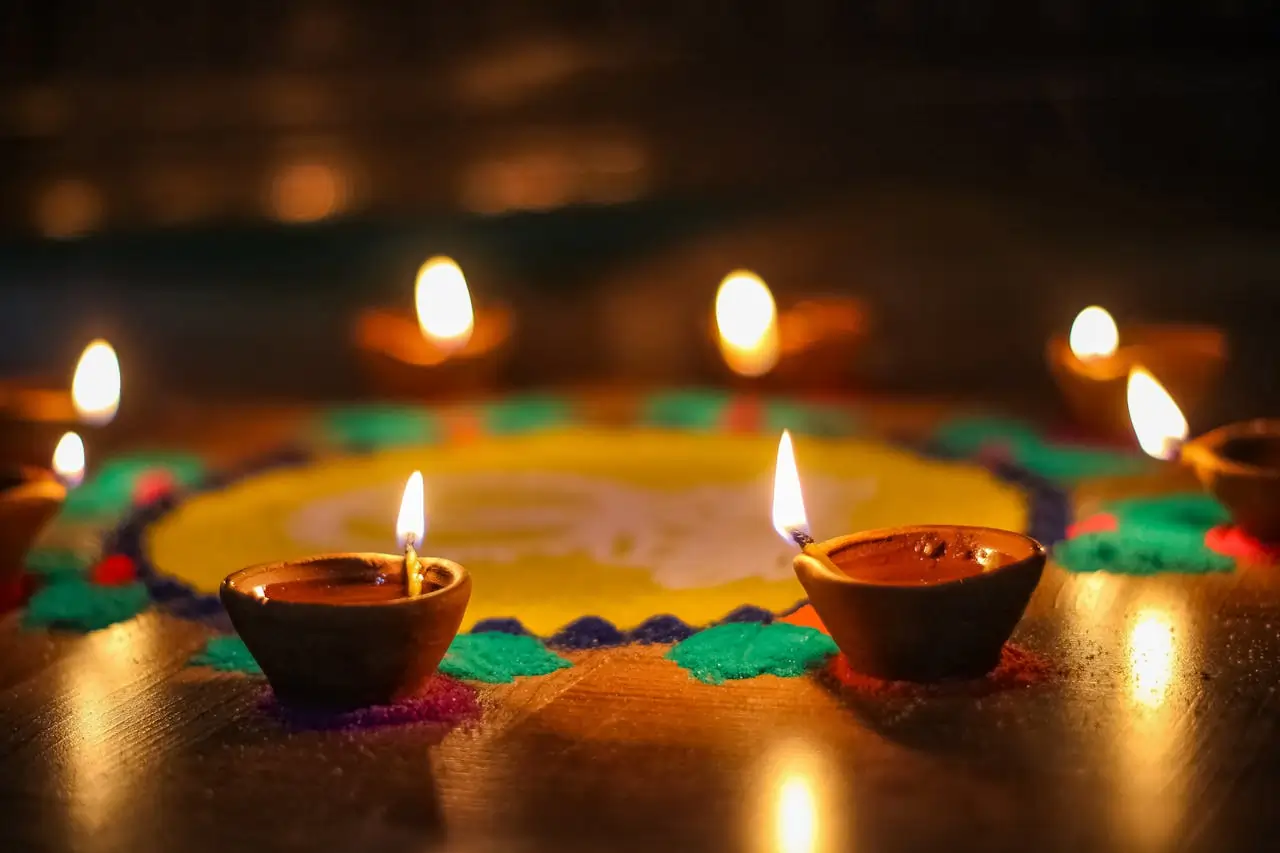
Deepavali, known across South Asia as the Festival of Lights, arrives in October or November and brings a warm glow to Sri Lanka’s Tamil communities across the island. Homes and temples are lit with clay oil lamps, families exchange sweets and gifts, and intricate kolam patterns in bright colours decorate thresholds and doorways.
In Sri Lanka, Deepavali carries a particularly resonant local mythology, connected to the epic Ramayana and the story of Rama’s return after defeating Ravana of ancient Lanka. The island’s relationship with this story is layered and fascinating, and exploring it during Deepavali adds a dimension of Sri Lanka culture that connects the present celebration to one of the oldest narratives in Asian literature.
For seasonal travel visitors, Deepavali is a wonderful time to be in areas with large Tamil communities, particularly Colombo’s Pettah district and the streets around the Sea Street kovils, where the lamp-lit evenings are particularly beautiful.
Christmas and New Year (December)
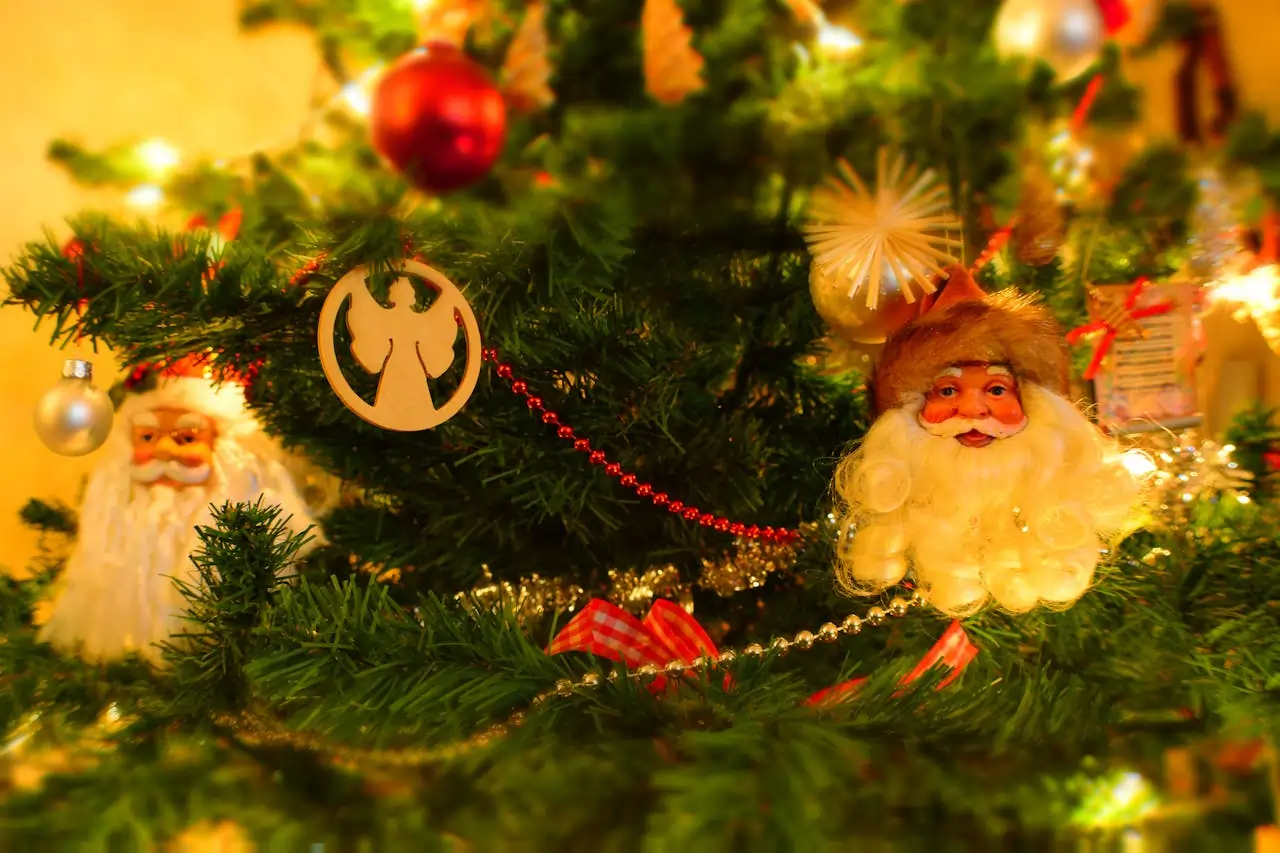
Sri Lanka’s Christian communities, particularly the Burgher and coastal Catholic communities with their Dutch and Portuguese colonial heritage, celebrate Christmas with genuine warmth and distinctive local flavour. Churches hold midnight masses that draw both the faithful and the curious. Hotels and restaurants put up decorations and serve festive menus.
What makes seasonal travel to Sri Lanka in December especially appealing is the combination of festivity and climate. December is prime weather for the southwest coast and the Cultural Triangle, whale watching peaks off Mirissa and Trincomalee, and the general atmosphere of celebration extends beyond any single religious community. Sri Lanka culture in December has an open, generous quality that makes it one of the most welcoming months to visit.
How to Plan Seasonal Travel Around Sri Lanka’s Cultural Calendar
The single most common mistake Australians make when booking Sri Lanka is choosing dates based purely on annual leave availability rather than the cultural and weather calendar. It’s understandable. When you’re juggling work schedules and school holidays, it’s tempting to book first and research later. But Sri Lanka rewards the opposite approach.
A few guiding principles for smarter seasonal travel planning:
- Decide which region comes first. Sri Lanka’s weather varies significantly by coast. The southwest (Colombo, Galle, Kandy, the hill country) is best from December to March. The northeast (Trincomalee, Arugam Bay, Jaffna) is better from May to September. The Cultural Triangle is accessible year-round, but most pleasant outside the extreme heat of April and May.
- Anchor around one major festival. If you have flexibility in your dates, choose one significant celebration from this guide and build your seasonal travel itinerary around it. The Esala Perahera in Kandy and Vesak in Colombo are the most rewarding for first-time visitors. Thai Pongal in Jaffna and Kataragama in the south are extraordinary for returning travellers who want something less expected.
- Book early for peak festival periods. Kandy accommodation during Esala Perahera, Anuradhapura during Poson, and the whole island during Sinhala and Tamil New Year all fill very quickly. A specialist who knows the calendar can secure the right properties well in advance.
- Allow breathing room in your itinerary. Some of the best Sri Lanka culture encounters during festival season are unplanned: the family who invites you to join their New Year meal, the local who explains the symbolism of a particular ritual, the quiet moment at a temple before the crowds arrive. An itinerary with built-in flexibility catches these moments.
- Work with someone who knows the ground. Festival dates in Sri Lanka are set according to the Buddhist lunar calendar and can shift by a week or two each year. A specialist keeps across these dates and can build your seasonal travel itinerary accordingly.
Start Planning Your Seasonal Travel to Sri Lanka Today
Sri Lanka’s cultural calendar is one of the most generous gifts any destination has ever offered the curious traveller. Month by month, it reveals another face of an island that has been celebrating life, faith, harvest, and community for longer than most countries have existed. The lanterns of Vesak, the drumbeats of Kandy, the kolam patterns of Thai Pongal, the fire walkers of Kataragama. These aren’t performances. They’re a living civilisation doing what it has always done.
The only question is when you’re going to be there for it.