



Understanding the Two Seasons Before Surfing in Sri Lanka
Before we dive into the types of surfing, there’s one thing every visitor needs to understand about surfing in Sri Lanka: the island has two distinct surf seasons driven by monsoon winds, and they switch completely depending on which coast you’re on.
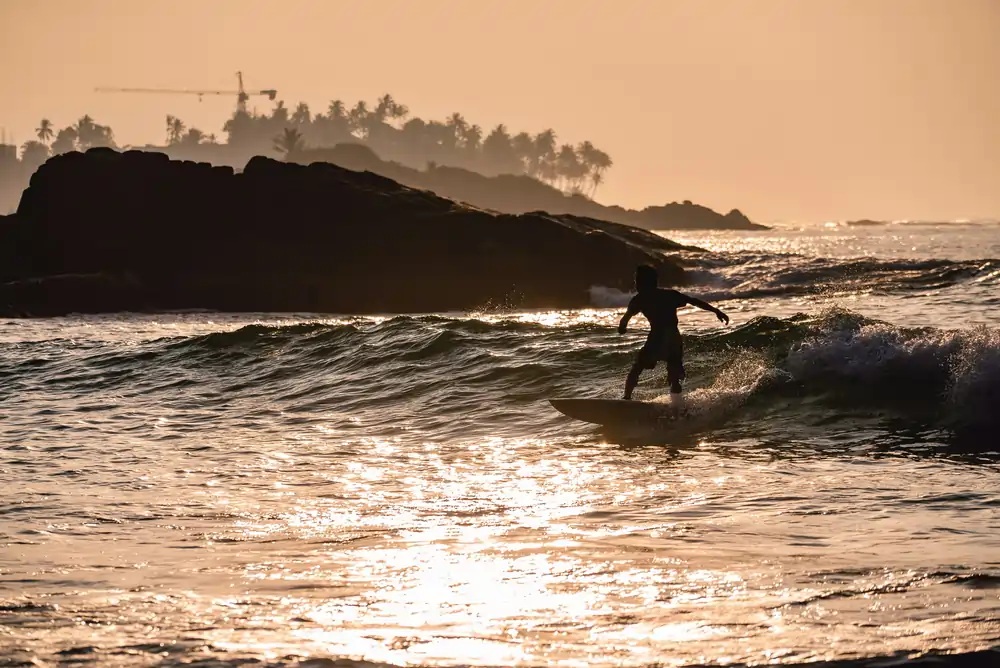
The southwest coast is at its best from November through April. During these months, offshore winds groom the waves perfectly, skies stay mostly clear, and the south coast becomes the heartbeat of surfing in Sri Lanka. This is peak season, when surf camps are buzzing, beach bars are lively, and the overall vibe is electric.
Then, the monsoon shifts across the island, and the action moves to the east. From May through October, the East Coast comes alive. While the southwest gets rain and onshore winds, the east basks in sunshine, warm water, and consistent surf.
What this means is that surfing in Sri Lanka is a year-round adventure. Many travelling surfers spend a few months on the south coast, then pack their boards into a tuk-tuk and make the cross-island journey east when the season changes, enjoying a constant rotation of waves and experiences.
Learning the Waves Before the Ride
When most people picture surfing in Sri Lanka, they’re imagining standing on a board and riding a wave. And honestly, Sri Lanka delivers some of the most mixed and accessible wave-riding landscapes you’ll find in South Asia.
The waves here range from long, easygoing beach breaks perfect for learning, to heavy reef breaks that will challenge even experienced surfers. Understanding the different types of breaks will help you find your perfect surfer’s spot.
Beach Breaks: Where Beginners Find Their Feet
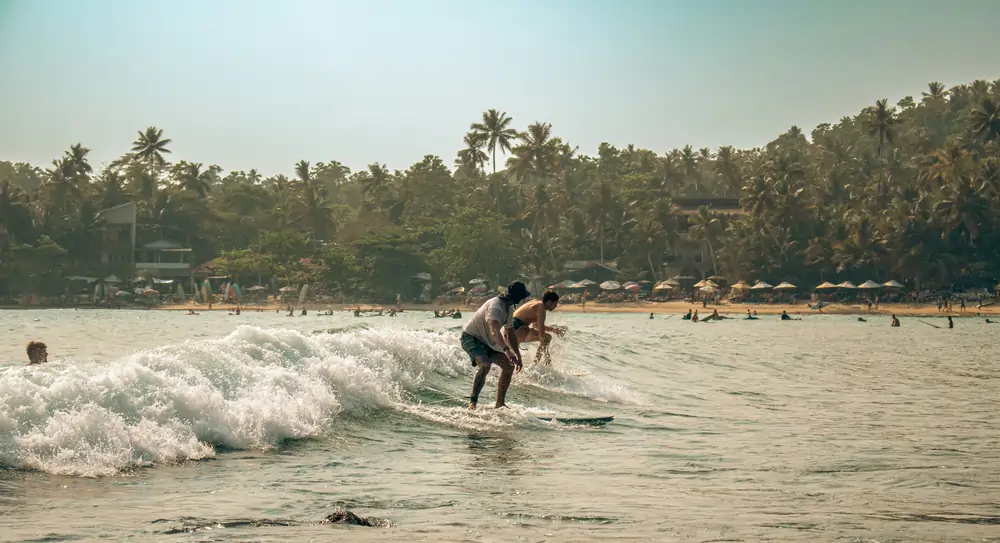
Sri Lanka’s beach breaks are the friendliest opening to surfing this country has to offer. These are waves that break over sand, meaning they’re softer, slower, and far more forgiving when you wipe out.
Weligama is arguably the best beginner surfer’s spot in the entire country. This wide, secluded bay on the southern coast is protected by two natural headlands, which means even when bigger waves are punishing the reefs nearby, Weligama stays mellow and manageable. There are dozens of surf schools along the beach, boards for rent on every corner, and instructors who have patience for first-timers. Surfing in Sri Lanka doesn’t get any more welcoming than this.
Kabalana Beach, just north of Ahangama, is another fantastic beginner surfer’s spot that has gained serious popularity in recent years. The beach section here provides rolling, consistent waves that are ideal for learning the basics. If you catch a good day here, you’ll find waves that seem almost designed for that magical moment of standing up for the first time.
Hikkaduwa’s main beach break is also worth mentioning. It’s busier and more commercialised than it used to be, but the waves remain accessible, and there’s an enormous support network of surf schools and board rentals. Hikkaduwa hosted surfing in Sri Lanka’s first-ever surfing competition back in 1993, and it’s still a solid base for beginners today.
Reef Breaks: Where Things Get Interesting
Once you’re comfortable surfing beach breaks, you can start trying reef breaks. Reef breaks happen over coral or rocks instead of sand. Because of this, the waves are usually faster, stronger, and more defined, which makes them exciting but also more challenging.
Midigama is known as the reef break centre of Sri Lanka’s south coast. It sits between Weligama and Ahangama, and it has several famous surf spots.
- Ram’s is the most famous. It’s a fast right-hand wave that breaks over a shallow reef and can produce powerful barrels. Because it’s intense, it’s mainly for expert surfers.
- Coconuts have both left and right waves. It’s still challenging but a bit easier than Ram’s.
- Lazy Left is a long, smooth left-hand wave that’s fun and easier to ride compared to some of the others.
At Kabalana, there’s a second break called The Rock. Many surfers think it’s one of the best reef breaks on the south coast. It’s an A-frame wave, which means the wave splits in two directions from the peak, so surfers can go left or right.
Hikkaduwa also has famous reef breaks.
- Benny’s is a long left-hand wave.
- Main Reef is another A-frame wave.
Both spots are best for intermediate to advanced surfers, and they’re important parts of Sri Lanka’s surfing history.
Point Breaks: The Long Ride Dream
For many surfers, point breaks are the dream waves. These waves break along a headland or point of land and peel smoothly in one direction. Because of this, they often create long, clean rides that can last much longer than typical beach waves.
Arugam Bay on the east coast is the most famous point break for surfing in Sri Lanka, and one of the most well-known surfer’s spot destinations in Asia.
The main break at Arugam Bay is a right-hand point break that rolls over a mix of reef and sand. The wave creates long, smooth sections that are perfect for building speed and making turns. Sometimes it even forms small barrels. The wave works best when it’s around three to four feet, but it can still hold shape on bigger swells up to six feet. This is where surfing in Sri Lanka starts to feel truly world-class.
Just a short drive away is Pottuvil Point, another popular surfer’s spot. This wave is also a right-hand point break but tends to be longer and a little gentler. A rocky headland protects the area from strong afternoon winds, which helps keep the waves clean. It’s a great place for both longboards and shortboards, and it’s usually less crowded than Arugam Bay.
Another nearby break is Whiskey Point, located in the same Pottuvil area. This wave is softer and more forgiving, making it a great surfer’s spot for intermediate surfers or confident beginners who want to try a point break for the first time.
Together, Arugam Bay, Pottuvil Point, and Whiskey Point create an amazing trio of waves. If you’re surfing on Sri Lanka’s east coast, these point breaks alone can keep you exploring and riding waves for weeks.
Longboarding and Surfing in Sri Lanka
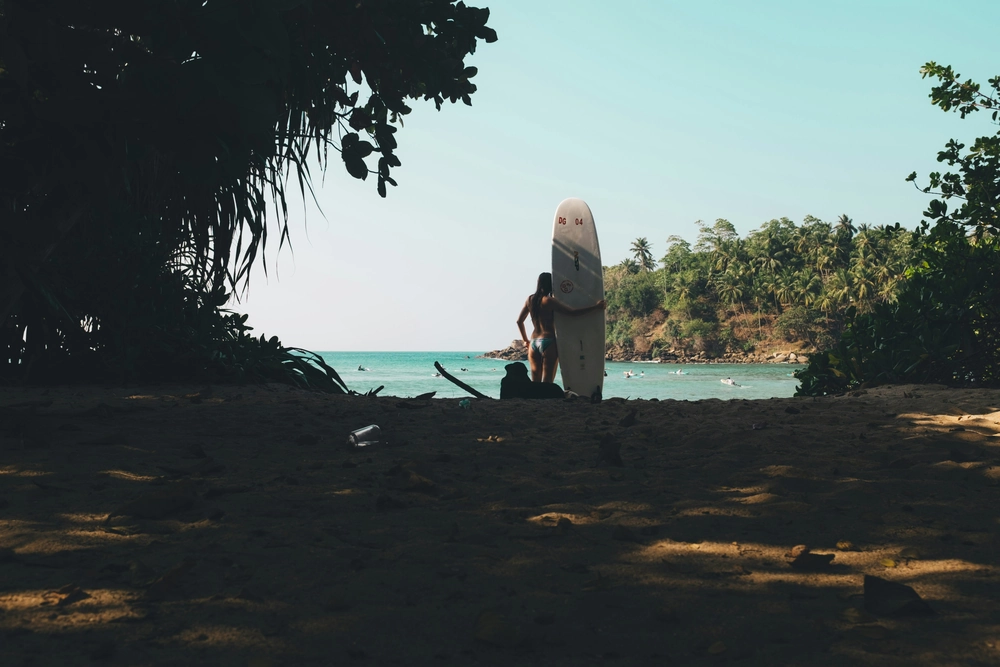
Many surfers believe longboarding is the purest and most relaxed style of surfing. Instead of fast turns and aggressive moves, longboarding focuses on smooth balance and flow. Surfers ride larger boards, usually around nine feet long, and can walk along the board while riding the wave. Sometimes they even hang their toes over the front of the board as the wave carries them forward.
Surfing in Sri Lanka is perfect for longboarding because the island often receives gentle, steady swells. These conditions create smooth waves that are ideal for long, relaxed rides. The south coast is especially good for longboarding during the main surf season. Weligama is one of the best surfer’s spot locations for this style. The waves are slow and consistent, which makes them perfect for practising footwork and learning how to move along the board.
Mirissa Beach is another great surfer’s spot for longboarding. This beautiful crescent-shaped bay produces soft right-hand waves on smaller days. The rides here are calm and smooth, making the experience feel almost peaceful. On the east coast, Arugam Bay’s inside sandbar and Pottuvil Point also offer great waves for longboarders. These breaks create long wave walls that allow surfers to enjoy slow, flowing turns.
Many surfers discover that surfing in Sri Lanka on a longboard is incredibly relaxing. Because longboards can catch waves earlier and in smaller conditions, surfers spend more time riding waves and less time waiting in the water.
And the more time you spend in the ocean, the more you improve. This gives you more time to enjoy and experience surfing in Sri Lanka.
Stand-Up Paddleboarding
Stand-up paddleboarding, or SUP, has become very popular in the past decade, and surfing in Sri Lanka has welcomed it with open arms.
SUP is a mix of surfing and kayaking. You stand on a wide, stable board and use a long paddle to move across the water. When waves come, you can ride them just like a regular surfer.
The great thing about SUP is that it’s easy to learn. The boards are stable, and the paddle does most of the work, so you don’t need strong arms to catch waves. This makes it perfect for older visitors, people with shoulder problems, or anyone who wants to enjoy the ocean without a steep learning curve.
Some of the best surfer’s spots for SUP in Sri Lanka include:
- Weligama Bay: gentle waves and calm conditions make it easy to balance and practice catching small waves.
- Mirissa: a beautiful bay with smooth waves for relaxed paddling.
- Arugam Bay (east coast): calm inside sections that are ideal for SUP beginners.
SUP isn’t just about catching waves. You can also paddle across flat lagoons, explore coastal caves, or glide along at sunrise while dolphins swim nearby. These calm, scenic experiences make surfing in Sri Lanka enjoyable for everyone.
Kitesurfing in Sri Lanka
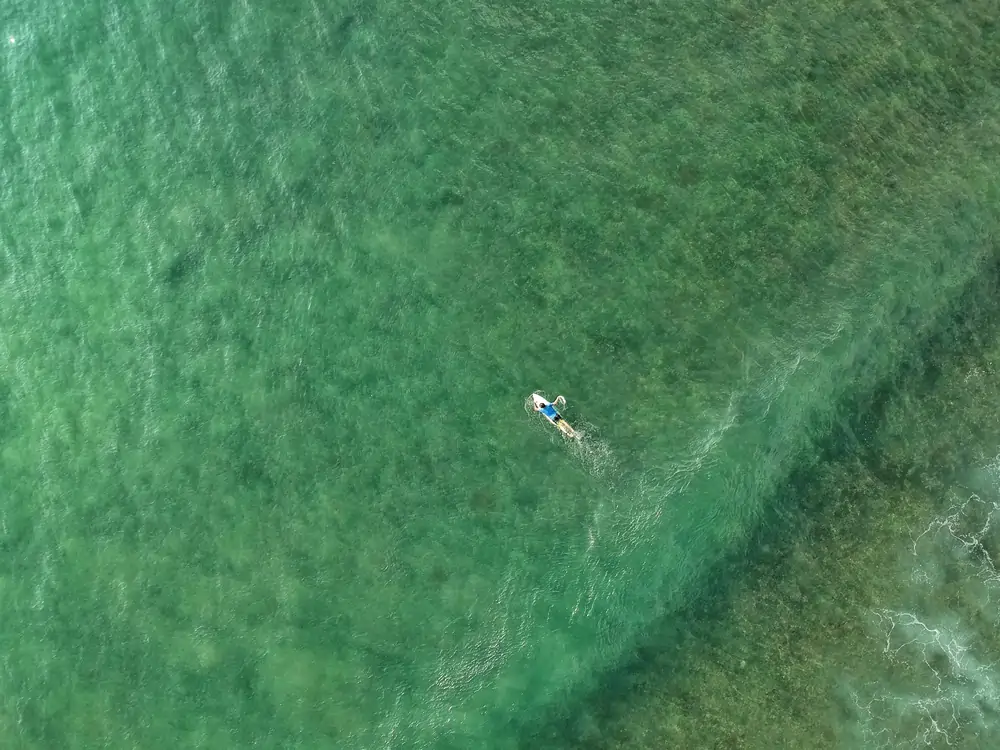
Kitesurfing takes surfing to the next level. Instead of just riding waves, you harness the wind. You stand on a small board and control a large kite, letting it pull you across the water. Skilled riders can jump, spin, and do aerial tricks.
Sri Lanka’s northwest coast is perfect for kitesurfing. The monsoon winds create some of the most constant and powerful conditions in Asia.
Kalpitiya: The Kitesurfing Capital
Kalpitiya is the top surfer’s spot for kitesurfing. Its vast, shallow lagoon stretches over 40 km and is protected by a sandbank, making it ideal for beginners and freestyle riders. From May to October, steady winds make learning safe and fun. Certified schools are available for lessons and rentals. Advanced kiters can explore spots like Dream Spot and Vella Island for more challenging conditions.
Kappalady: A Quieter Option
About 30 minutes south of Kalpitiya, Kappalady offers smaller lagoons with calm, clear water. It’s perfect for beginners looking to avoid the crowds. The gentle winter winds make learning easy, and the lagoons are protected by sandbanks, providing safe, flatwater conditions.
Beyond surfing, the area is peaceful and scenic, with stunning sunsets that light up the sky and reflect on the water, making every session here feel truly special.
South Coast Adventure
For experienced kitesurfers, the south coast delivers big waves and strong offshore winds between Weligama and Hambantota during summer. Arugam Bay is also great for kiting when conditions allow.
Kitesurfing in Sri Lanka lets you ride both the ocean and the sky, creating an unforgettable experience.
Windsurfing in Sri Lanka
Before kitesurfing became popular, windsurfing was the exciting wind-powered sport that drew attention. It mixes sailing and surfing. You stand on a board and control a sail with the wind to move across the water. Windsurfing needs balance, strength, and a feel for how the wind works.
The best surfer’s spots for windsurfing in Sri Lanka are Kalpitiya and Kappalady, the same lagoons famous for kitesurfing. The De Silva Windresort in Kalpitiya, run by national champion Upul De Silva, is the top windsurfing school. They offer lessons for all levels using modern equipment in world-class conditions.
Windsurfing takes a little more coordination than kitesurfing at first. You need to manage the sail while staying balanced on the moving board. But once you get it, it’s highly satisfying, giving you a direct connection to the wind, water, and board.
During the southwest monsoon, Kalpitiya has strong, steady winds, perfect even for beginners. In winter, lighter breezes make it easier for those just starting. Surfing in Sri Lanka through windsurfing is a pure, classic way to enjoy the ocean.
The Best Spots for Surfing in Sri Lanka
To bring everything together, here’s a regional breakdown of the best surf destinations the island has to offer.
The South Coast
The south coast is the heart of surfing in Sri Lanka. From Hikkaduwa to Madiha, the coastline is packed with amazing surfer’s spots, all within a short drive. You can surf in Weligama in the morning, visit Galle Fort for lunch, and be back on the waves by afternoon.
Hikkaduwa has a long surfing history, with beach breaks for beginners and reefs like Benny’s and Main Reef for experienced surfers.
Weligama is perfect for newcomers. Its long, sheltered bay, surf schools, and relaxed cafes make learning fun and stress-free. It is also known as the country’s best surfer’s spot for beginners.
Midigama and Ahangama are meant for more advanced surfers. Reef breaks like Ram’s, Coconuts, and Lazy Left are faster and more challenging, offering a more authentic experience of surfing in Sri Lanka.
Hiriketiya is a newer, photogenic bay with a gentle beach break for beginners and a reef called the Bowl for advanced surfers. It’s one of the most beautiful surfer’s spots on the south coast, which is truly postcard-perfect.
The East Coast
Arugam Bay is where surfing in Sri Lanka becomes legendary. This quiet fishing town on the southeast coast comes alive between May and October when surfers from around the world arrive. Its famous right-hand point break can offer rides over 200 metres on a good day and is ranked among the top surf breaks in Asia.
The main surfer’s spot at Arugam Bay suits all levels: beginners catch the inside whitewater, intermediates ride the shoulder, and advanced surfers take on the outside peak. The town is small and friendly, with guesthouses, cafés, and a welcoming surf vibe.
Pottuvil Point is a quieter, more advanced surfer’s spot, protected from midday winds and offering long, smooth waves. Other hidden East Coast gems include Elephant Rock and Crocodile Rock, loved by surfers in the know.
The Northwest Coast
As mentioned before, Kalpitiya is the wind sports capital of Sri Lanka, but the nearby Indian Ocean also offers wave kiting opportunities for advanced riders during the monsoon.
Donkey Point, just south of Kalpitiya town, is a popular surfer’s spot for downwind runs. It’s where you can experience the wild, untamed side of surfing in Sri Lanka’s northwest.
Practical Tips for Surfing in Sri Lanka
The water temperature in Sri Lanka is warm year-round, around 27-30°C, so you don’t need a wetsuit. A rash vest is useful to protect against the sun and board rash, especially on longer sessions. The sun is strong, even on cloudy days, and reef breaks need extra care. Reef booties can protect your feet from sea urchins and sharp coral.
Board rental is easy in main surf areas like Weligama, Hikkaduwa, and Arugam Bay. You’ll find everything from foam boards for beginners to high-performance shortboards. If you plan a longer trip, bringing your own board is worth it. Most airlines allow surfboard bags for a fee, and familiar equipment helps you perform better.
For kitesurfing and windsurfing, reputable schools in Kalpitiya provide all equipment with lessons. Don’t try to self-teach kitesurfing. Always using professional instruction is important for safety.
Going local can make your surfing experience even better. Local guides know which surfer’s spot is working that day, which breaks suit your skill, and which spots the apps like Surfline or Magic Seaweed might miss. Many surf camps track conditions daily to help you find the best waves.
Respect in the water is key. Popular surfer’s spots like Arugam Bay can get crowded. Follow the right rules, don’t drop in on others, and be patient with local surfers. Surfing in Sri Lanka is welcoming, but good manners keep everyone safe and happy.
Surfing in Sri Lanka Stays with You Forever
There are many surf destinations in the world, but surfing in Sri Lanka is unforgettable. It’s not just about the waves but the full experience. The friendly people, rich culture, and stunning landscapes give you many stories to tell and memories to keep.
You might hunt for a surfer’s spot in the morning, visit an ancient temple in the afternoon, enjoy a flavorful local curry for dinner, and fall asleep to the sound of the Indian Ocean. You’ll share waves with locals who have surfed these reefs for years, and stay at surf camps run by people passionate about sharing the experience.
Surfing in Sri Lanka has grown a lot in the past decade, with better surf schools, accommodation, and transport, but it hasn’t lost its soul. The waves, the warm welcome, and the island’s magic are still the same. Every style of surfing has a home here. Every surfer’s spot has a story, and every session can end with a sunset over warm water, leaving you feeling like you were exactly where you were meant to be.
Pack your board, grab your things, and start planning. Surfing in Sri Lanka is waiting, and it’s even better than you imagined. Whether you’re a beginner or a pro, there’s a wave here with your name on it. Come for the surf, stay longer for everything else.