



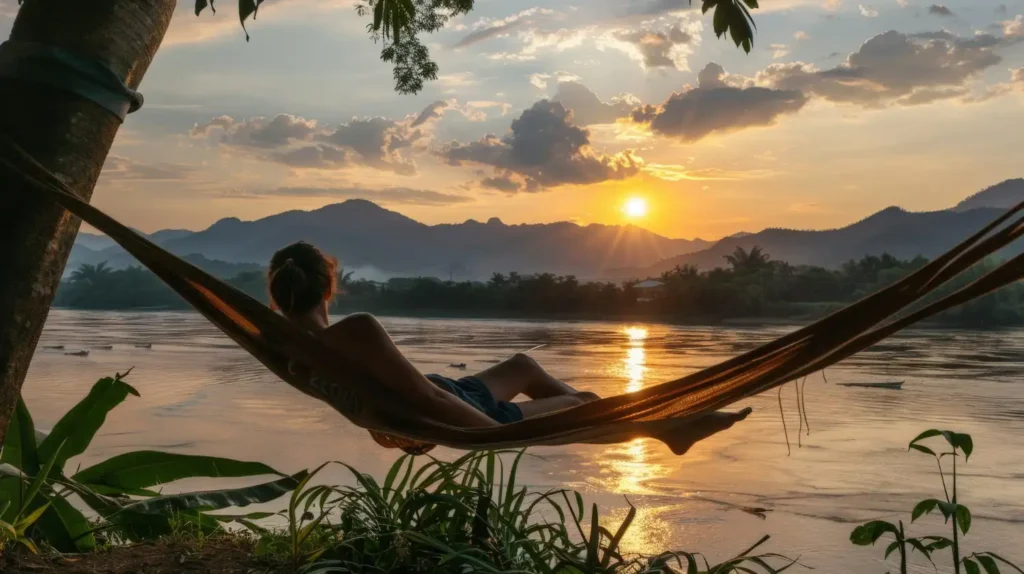
What Is Wellness Tourism in Sri Lanka, Really?
At its simplest, wellness tourism means travelling to look after your body and mind. The Global Wellness Institute describes it as travel that helps you maintain or improve your personal wellbeing. That’s a broad umbrella.
Wellness tourism in Sri Lanka has a much clearer identity than most destinations. It’s built around Ayurveda, the traditional system of medicine that has been practised on the island for centuries. Alongside it sits Deshiya Chikitsa, Sri Lanka’s own indigenous healing tradition, with its own herbal remedies and treatments passed down through families.
This isn’t a trend dreamed up for tourists. Ayurveda is part of the national healthcare system here. There are government Ayurvedic hospitals, university faculties that train Ayurvedic doctors, and herbal pharmacies in country towns. When you book a proper Ayurveda retreat, you’re stepping into a living medical tradition, not a themed spa.
That’s the first honest answer. Wellness tourism in Sri Lanka has real roots, and that’s what makes it different.
Honest Answer 1: Is Ayurveda in Sri Lanka the Real Deal?
Short answer? At a good retreat, yes. Ayurveda is the backbone of wellness tourism in Sri Lanka, and the best retreats take it seriously.
A genuine Ayurveda stay starts with a consultation with a qualified Ayurvedic doctor. They’ll ask about your sleep, digestion, stress, energy, and health history. They’ll check your pulse the traditional way. Then they’ll build a programme around your body type and whatever you’re hoping to work on, whether that’s stress, poor sleep, stiff joints or simply feeling flat.
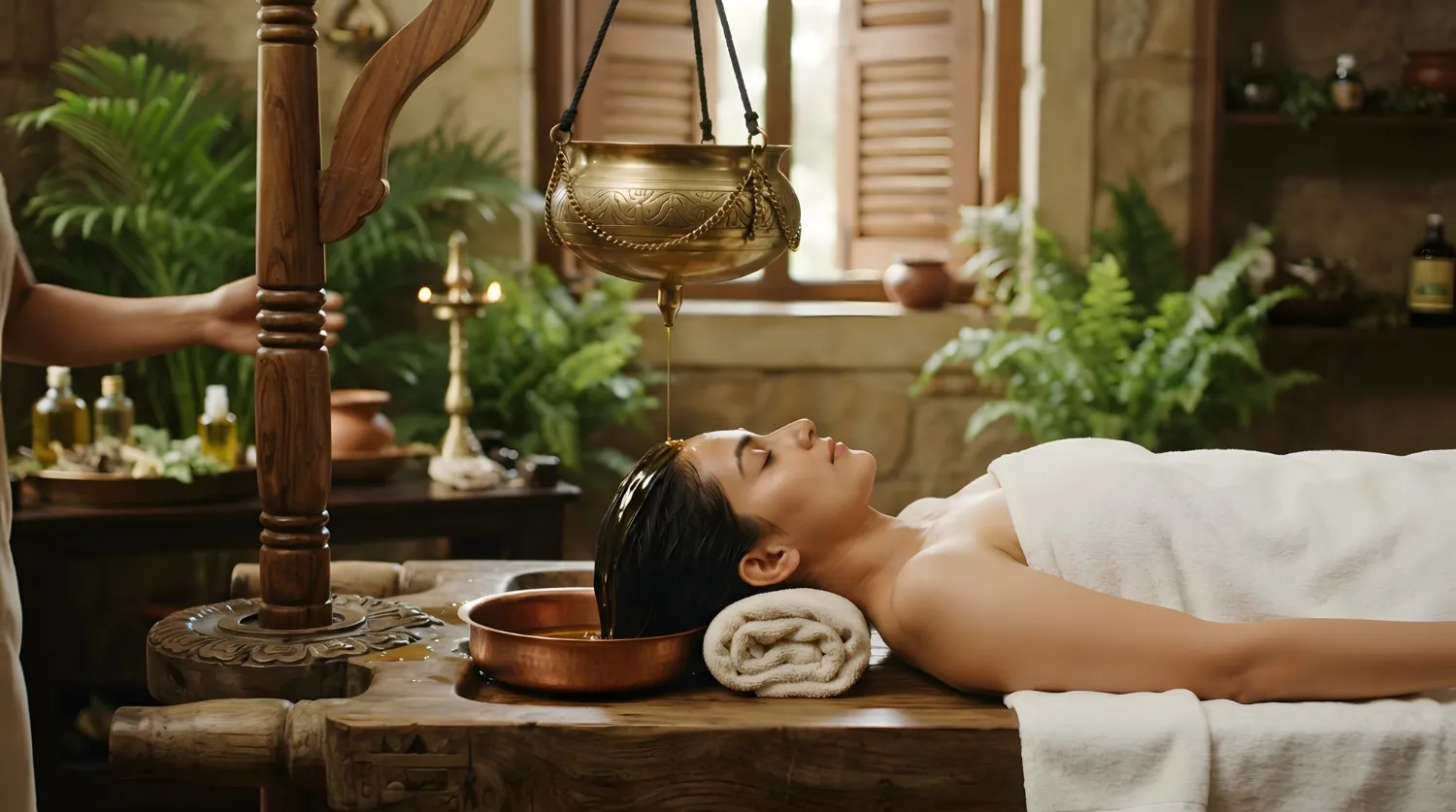
From there, your days follow a gentle routine. Herbal oil massages. Steam baths infused with medicinal plants. Shirodhara, where warm oil is poured in a slow, steady stream across your forehead. Herbal teas and tonics. A diet planned around your treatment. Most people are surprised by how tired they feel in the first few days, and how clear they feel by the end of the first week.
What a Typical Ayurveda Day Looks Like
Here’s roughly how a day plays out at a traditional retreat:
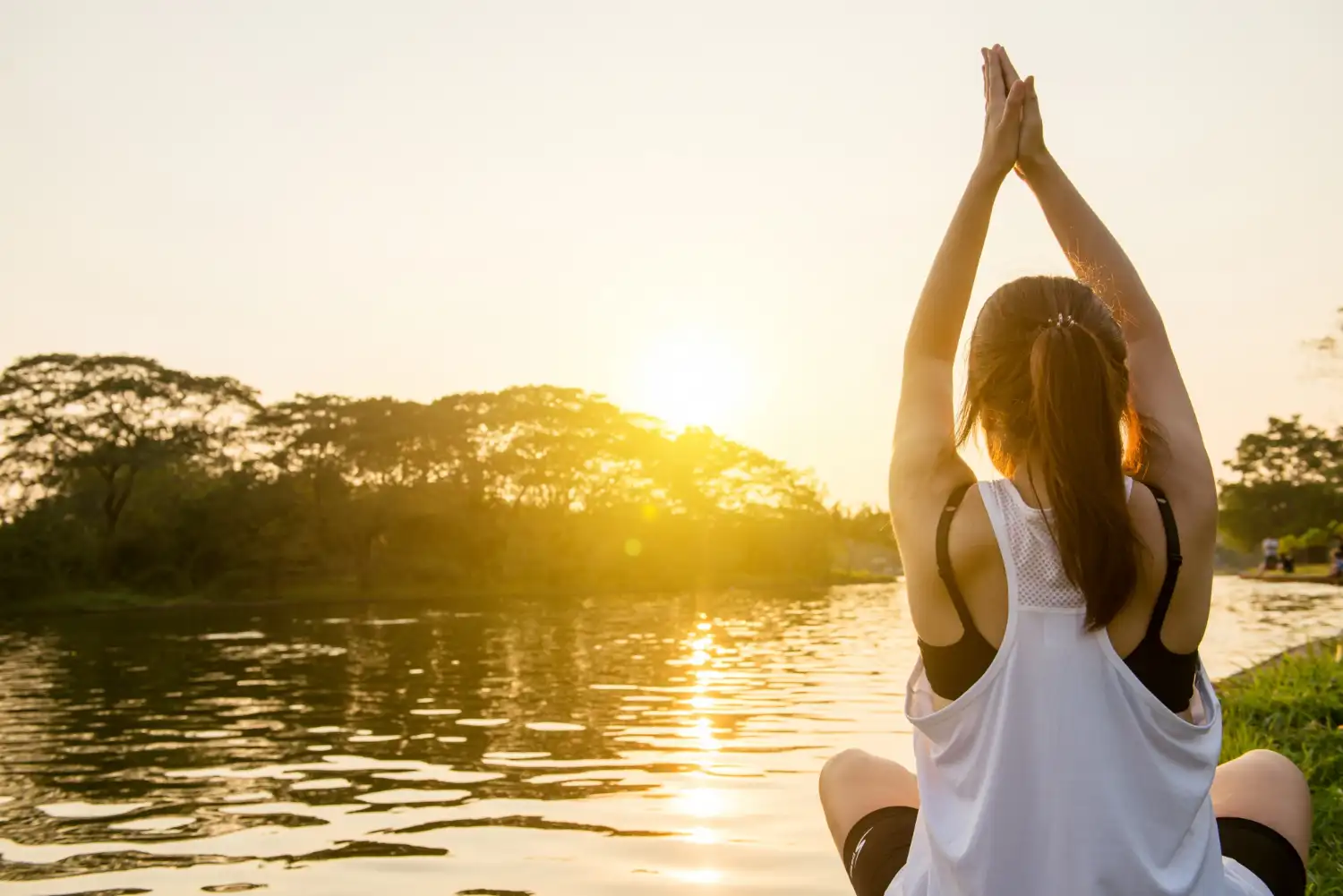
- Early morning: Sunrise yoga or a quiet meditation session.
- Breakfast: A light, freshly cooked meal matched to your programme.
- Late morning: Your main treatments, usually two to three hours.
- Afternoon: Rest, reading, a swim or a short walk. Naps are encouraged.
- Evening: A gentle yoga or breathing class, dinner, then an early night.
It sounds simple, and it is. That’s the point.
One honest caveat. Ayurveda works best as a complement to modern medicine, not a replacement for it. The World Health Organization recognises traditional medicine as part of the wider healthcare picture, but if you have a medical condition or take regular medication, talk to your GP before you travel and share your doctor’s advice with the retreat.
Honest Answer 2: Is It Just Massages and Spa Days?
Not even close. This is the part that surprises people most. Wellness tourism in Sri Lanka reaches well beyond the treatment room.
Yoga and Meditation Retreats
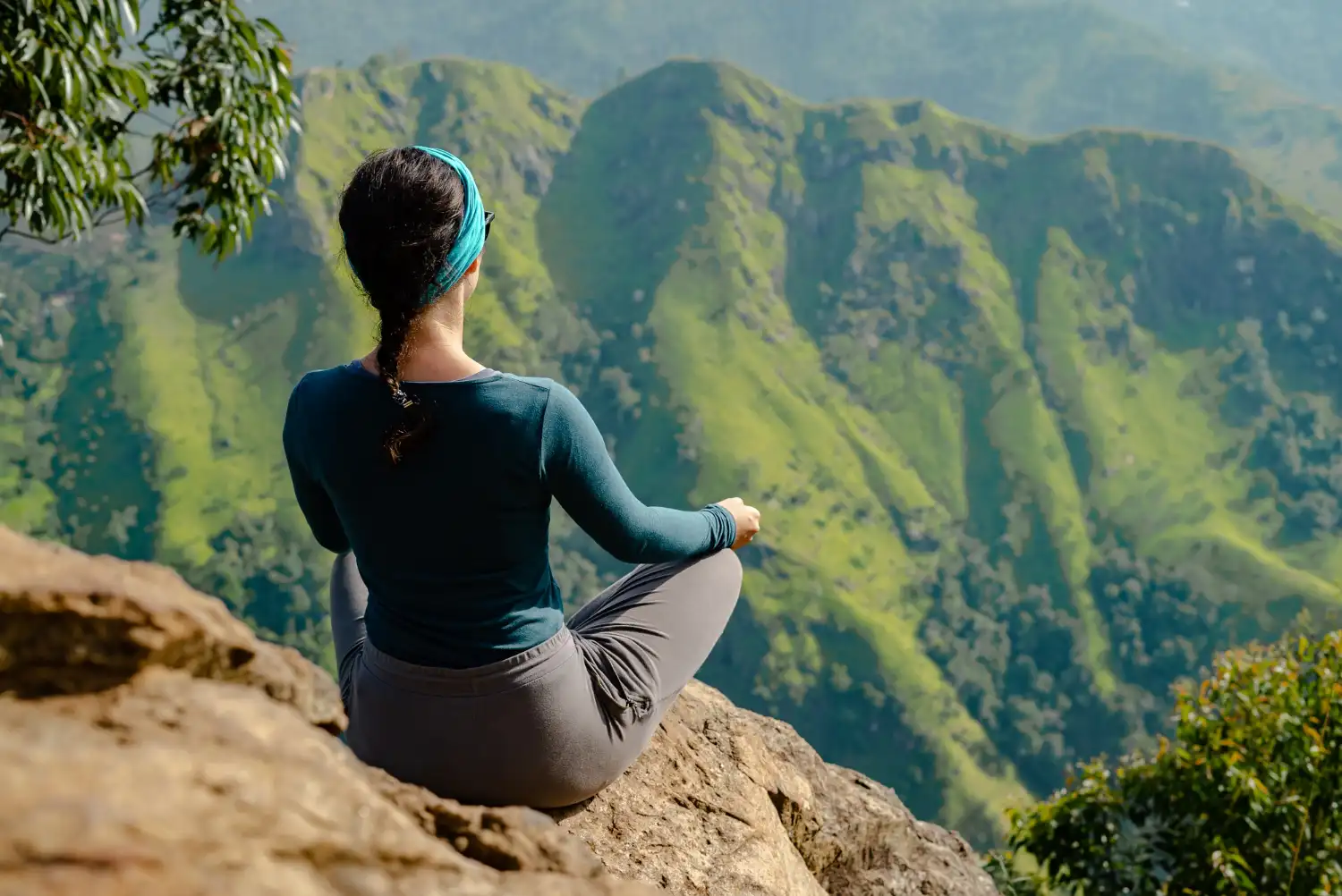
The south coast has become a hub for yoga, especially around Weligama, Ahangama and Tangalle. Think open-air shalas looking over coconut palms, small classes and teachers who adjust to your level. Plenty of guests have never done yoga before.
Meditation runs even deeper. Sri Lanka is a largely Buddhist country, and meditation has been practised in its temples and forest monasteries for well over two thousand years. Around Kandy, there are meditation centres that welcome visitors for quiet, simple retreats. It’s a world away from a guided app on your phone.
Food as Medicine
In Sri Lanka, food and wellbeing have always been linked. Herbal porridge called kola kenda is a traditional breakfast. Gotu kola salads, fresh king coconut water, red rice and curries spiced with turmeric, ginger and curry leaves are everyday staples.
At an Ayurveda retreat, your meals are part of your treatment. Outside the retreats, joining a cooking class with a local family is one of the nicest ways to understand how Sri Lankans eat to stay well. It’s one of the most underrated parts of wellness tourism in Sri Lanka.
Nature as Therapy
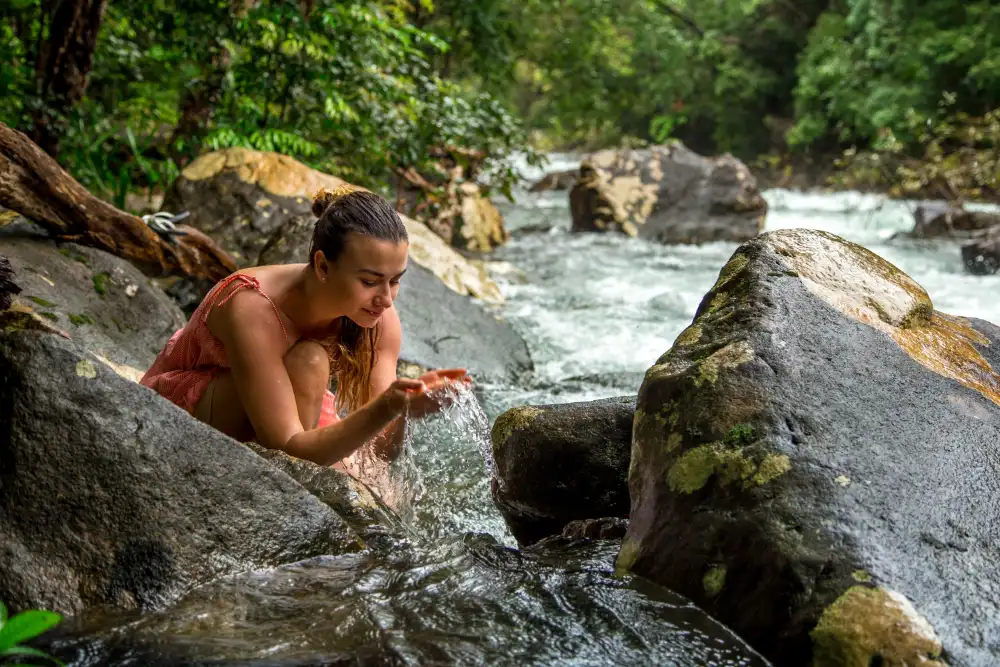
Then there’s the island itself. Misty tea estates in the hill country. Rainforest walks in Sinharaja. Quiet beaches at dawn. Sunrise from the top of a rock fortress. Much of wellness tourism in Sri Lanka happens simply by slowing down somewhere beautiful. Your nervous system notices.
Honest Answer 3: Where Should You Go for Wellness Tourism in Sri Lanka?
Sri Lanka is small, but the wellness experience changes a lot depending on where you stay. Here’s how the main regions compare.
West Coast: Bentota and Beruwala
This is the traditional heartland of Ayurveda resorts. It’s only a couple of hours from Colombo Airport, so you can be in your first treatment the day after you land. Expect long sandy beaches, established Ayurveda resorts with in-house doctors and full programmes running from one to three weeks. It’s the classic choice for a serious, structured stay, and the traditional starting point for wellness tourism in Sri Lanka.
South Coast: Weligama, Ahangama and Tangalle
The south coast leans more towards yoga, surf and slow living. Boutique retreats here blend daily yoga, healthy food, massage and beach time. It’s ideal if you want wellness with a bit more freedom and fun, and it’s where a lot of luxury wellness travel on the island now happens, with private villas and spa-focused boutique hotels.
Hill Country: Kandy, Hatton and Ella
Cooler air, green tea slopes and mist rolling through valleys. The hills suit travellers who want calm, walking and a sense of space. Around Kandy, you’ll find wellness resorts set in the forest and meditation centres. Near Hatton, restored tea planters’ bungalows offer spa treatments, butler service and some of the most peaceful mornings in the country. For luxury wellness travel in a cooler climate, Hatton is hard to beat. Our hill country guide compares each town in detail.
The Cultural Triangle
Near Sigiriya and Dambulla, a handful of jungle retreats combine Ayurveda with the ancient cities. You might climb Sigiriya at sunrise, then spend the afternoon in a herbal steam bath. It’s a lovely way to add culture to wellness tourism in Sri Lanka without losing the restful feel.
Honest Answer 4: Is Luxury Wellness Travel in Sri Lanka Worth the Price?
This is the question most Australians really want answered. And honestly, this is where Sri Lanka shines.
Luxury wellness travel in Europe or at big-name retreats elsewhere can easily cost thousands of dollars per night. In Sri Lanka, you’ll often get doctor-led treatments, full board, and genuine luxury for a fraction of that. Here’s a rough guide in AUD, excluding international flights:
- Traditional Ayurveda resorts: around AUD 250 to AUD 400 per person per night, usually including consultations, treatments, and all meals.
- Boutique yoga and wellness retreats: around AUD 200 to AUD 450 per person per night, often with daily yoga and some treatments included.
- Luxury wellness resorts and private villas: around AUD 600 to AUD 1,200 or more per night, with spa programmes, private teachers and fine dining.
- Private car and driver between regions: roughly AUD 90 to AUD 150 per day.
A 10 to 14 night stay covering a full Ayurveda programme plus a few days of sightseeing usually sits somewhere between AUD 4,000 and AUD 9,000 per person twin share, depending on how much luxury wellness travel you build in. Our luxury Sri Lanka tours page shows how those stays fit into a wider trip.
So is it worth it? If you value doctor-led care, beautiful settings, and real rest, luxury wellness travel in Sri Lanka is some of the best value you’ll find anywhere. The money goes into your treatments, food, and care, not a fancy logo.
What You’re Really Paying For
When you compare retreats, look past the pool photos. Check whether a qualified Ayurvedic doctor is on site, how many treatments are included per day, whether meals are tailored to your programme, and what the minimum stay is. The cheapest option often skips the consultation, which is the part that makes Ayurveda work. That’s the honest difference between good and average wellness tourism in Sri Lanka.
Honest Answer 5: When Is the Best Time for Wellness Tourism in Sri Lanka?
Here’s some good news. Wellness tourism in Sri Lanka works all year round.
Sri Lanka has two monsoons that hit opposite sides of the island at different times. The southwest monsoon brings rain to the west and south coasts from roughly May to September. The northeast monsoon affects the east and north from about November to February.
For beach-based yoga retreats on the south coast, December to April is usually the sweet spot. For Ayurveda, the weather matters less than you’d think. Most treatments happen indoors, and many Sri Lankans believe the cooler, wetter months are actually ideal for Ayurvedic healing. A rainy afternoon spent in a herbal steam bath is no hardship.
The June and July school holidays also line up nicely with lower prices on the west coast, which can make luxury wellness travel more affordable. Our guide to the rainy season in Sri Lanka explains how to plan around each monsoon, and the Department of Meteorology Sri Lanka has regional forecasts.
Honest Answer 6: Can You Mix Wellness With Sightseeing?
Absolutely, and most of our clients do. The trick is getting the order right.
We usually suggest doing your sightseeing first and finishing with wellness. That way, you arrive home rested rather than exhausted from a week of early starts and long drives. Here’s a sample 14-night trip we often build for Australians:
- Nights 1 and 2: Land in Colombo and head to a jungle retreat near Sigiriya. Climb the rock at sunrise and visit the Dambulla cave temples.
- Nights 3 and 4: Kandy, with the Temple of the Tooth, a gentle meditation session and the botanical gardens at Peradeniya.
- Nights 5 and 6: The scenic train into the hills and two slow nights in a tea bungalow with spa treatments.
- Nights 7 to 14: A week-long Ayurveda or yoga programme on the west or south coast, with a doctor’s consultation on arrival.
This style of wellness tourism in Sri Lanka gives you the culture, the scenery and the reset in one trip. It’s also easy to reshape. Honeymooners might swap the Ayurveda week for a luxury beach villa with daily spa treatments, while solo travellers might choose a small yoga retreat for the social side. Our bespoke Sri Lanka tours are built exactly this way, around your pace and priorities. Luxury wellness travel slots neatly into this shape too, with a private villa upgrade for the final week.
Honest Answer 7: Who Is Wellness Tourism in Sri Lanka Not Right For?
We’d rather be upfront than oversell it.
A full Ayurveda programme might not suit you if you want a party atmosphere, a daily cocktail list or a packed sightseeing schedule. Traditional retreats usually limit alcohol, caffeine and late nights, because they get in the way of the treatments. If that sounds like a nightmare, a south coast yoga retreat or a luxury resort with a spa might be a better fit.
It also isn’t a quick fix. One massage won’t undo a year of burnout. To feel the real benefits of wellness tourism in Sri Lanka, plan for at least seven nights in one place. Ten to fourteen is better.
And it’s not a substitute for medical care. If you’re dealing with a serious health issue, your GP comes first. Treat Ayurveda as a powerful support, not a cure-all.
For everyone else, especially the tired, the stressed, and the curious, it can be one of the most rewarding trips you’ll ever take.
What Australians Love Most About Wellness Tourism in Sri Lanka
Ask travellers what stayed with them, and the answers are rarely about a single treatment. They talk about how quickly they started sleeping properly again. How their phone stayed in a drawer for days. How kind everyone was.
Here’s what comes up most often:
- The warmth of the people. Sri Lankan hospitality is genuine, and it makes wellness tourism in Sri Lanka feel personal rather than clinical.
- Real expertise. Guests love that a doctor, not a sales menu, decides their treatments.
- Short travel days. The island is compact, so you can move from beach to hills without losing a whole day.
- Value. Luxury wellness travel here delivers a level of care that would cost far more in many other places.
- A sense of meaning. Temples, rituals and living tradition give wellness tourism in Sri Lanka a depth that a spa hotel can’t fake.
There’s also the time difference. Sri Lanka is only a few hours behind Australia, so jet lag is mild. You can land, rest for a night, and start your programme without feeling wrecked. For a trip that’s all about recovery, that matters more than people realise, and it’s one of the quiet reasons wellness tourism in Sri Lanka works so well for Australians.
Some travellers end up returning to the same retreat year after year, treating wellness tourism in Sri Lanka as an annual reset rather than a one-off holiday. Once you’ve felt the difference, it’s easy to see why.
How to Book Wellness Tourism in Sri Lanka From Australia
If you’ve searched “Sri Lanka wellness retreat near me” or “Ayurveda travel agent near me”, you’ve probably found a mix of overseas booking sites, glossy resort ads, and not much honest advice. Booking wellness tourism in Sri Lanka from Australia doesn’t need to be complicated, though. Here’s what helps:
- Book through a specialist. Someone who knows the island well can match you with the right retreat for your health goals, budget, and style.
- Ask about the doctor. Make sure your Ayurveda retreat has a qualified doctor on site, not just therapists.
Check minimum stays. Many programmes require seven nights or more. - Sort your ETA early. Australians need an Electronic Travel Authorisation, which you can apply for through the official Sri Lanka ETA portal.
- Check travel advice. Read the latest Smartraveller advice for Sri Lanka before you lock in dates.
- Get travel insurance. Make sure it covers your activities and any pre-existing conditions.
Getting there is easier than most people expect. There are one-stop connections to Colombo from Sydney, Melbourne, Brisbane and Perth, usually via Singapore or Kuala Lumpur. Whether you’re in a capital city or a country town, a good Sri Lanka specialist can plan wellness tourism in Sri Lanka entirely by phone, email and video call.
How Sesatha Travel Plans Luxury Wellness Travel in Sri Lanka
Every trip we plan around wellness tourism in Sri Lanka starts with a conversation about you. Why do you want to go? What does rest look like for you? Are you after a strict Ayurveda programme, a relaxed yoga retreat, or luxury wellness travel with a few treatments and plenty of pool time?
From there, we match you with retreats we trust, build in sightseeing if you want it, organise your private driver, and handle every transfer. You’ll see a draft itinerary, change anything you like, and only book when it feels right.
Our private Sri Lanka tours suit travellers who want a wellness week alongside the highlights. Couples celebrating something special often lean towards our Sri Lanka honeymoon packages, which pair romantic villas with spa time. You can also browse our Sri Lanka holiday packages for ready-made ideas, or read what other Australians thought on our testimonials page.
Conclusion
So, is wellness tourism in Sri Lanka worth it? For most travellers, the honest answer is yes. You get centuries of Ayurvedic tradition, qualified doctors, nourishing food, daily yoga and some of the most peaceful landscapes in Asia, often for far less than you’d pay for luxury wellness travel elsewhere.
The key is choosing the right retreat, giving yourself enough time and planning your route so you finish the trip rested, not rushed. Get those three things right and wellness tourism in Sri Lanka can change how you feel for months after you land back home.
Ready to plan your reset? Start planning your Sri Lanka tour today. Talk to a Sri Lanka expert at Sesatha Travel and get a free custom itinerary built around your health goals, your dates, and your budget.