




Bird Watching Essentials: Planning Your Sri Lankan Avian Adventure
Before embarking on your birdwatching journey through Sri Lanka, understanding the island’s birding calendar and preparing appropriately will significantly enhance your experience. The best period for bird watching extends from November through April, when the northeast monsoon brings migratory species from colder climates. During these months, the weather remains relatively dry in most regions, making forest trails accessible and bird activity high during the cooler morning hours.
Sri Lanka’s endemic species can be observed throughout the year. These unique birds have evolved in isolation, developing distinctive characteristics that make them instantly recognizable to those familiar with the island’s avifauna. The Sri Lanka Blue Magpie, with its striking sky-blue plumage and long tail, the small Sri Lanka White-eye, the vibrant Orange-billed Babbler, and the elusive Red-faced Malkoha represent just a bit of the endemic treasures awaiting discovery.
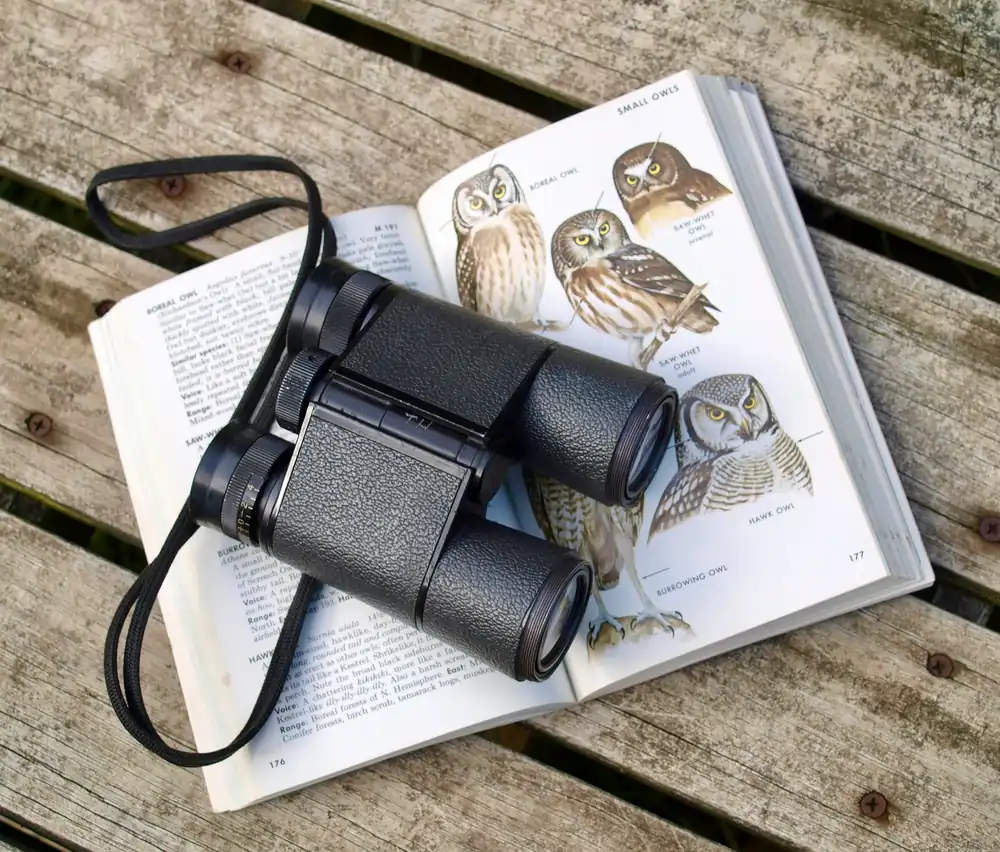
Equipment requirements for bird watching in Sri Lanka remain modest compared to expeditions in more remote locations. A good pair of binoculars with good magnification is ideal. Many serious birders also carry spotting scopes for observing distant waterbirds, though the island’s relatively close viewing distances often make these optional. Comfortable walking shoes, light layers for early mornings, rain gear, and insect repellent round out the practical necessities.
Local bird watching guides bring priceless expertise to your expedition. These specialists possess intimate knowledge of bird calls, behaviors, and seasonal movements that can transform a pleasant outing into a truly exceptional experience. Many endemic and rare species prove difficult to spot without the practiced eye and ear of someone who has spent years studying the island’s avifauna. The investment in a knowledgeable guide typically pays rewards in both the number and quality of sightings.
Prime Bird Watching Places: Sinharaja Forest Reserve
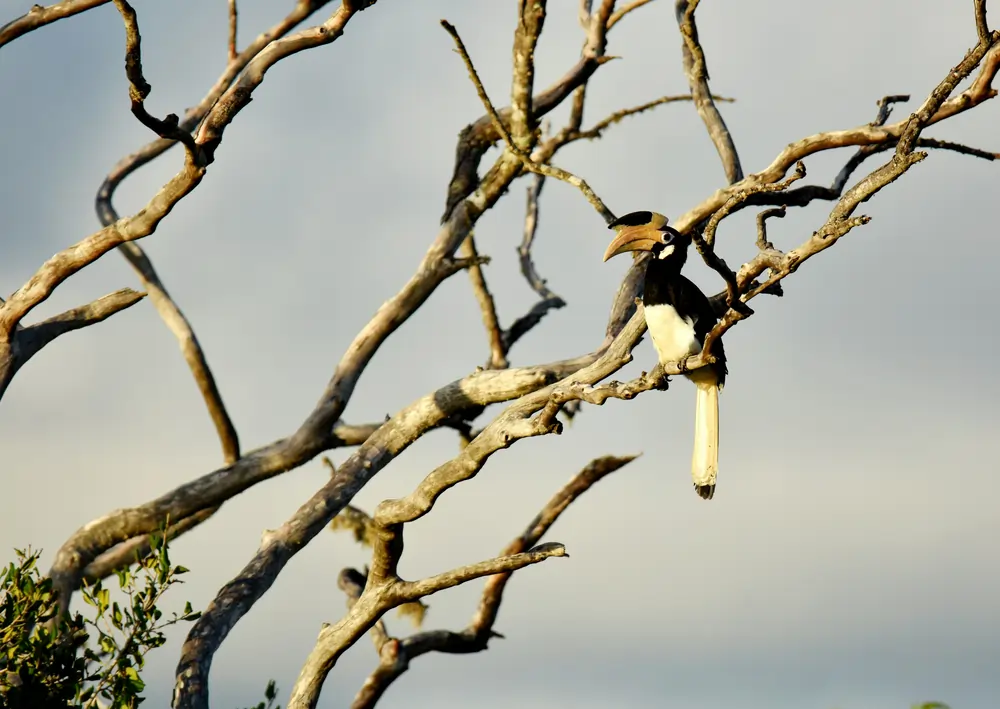
When discussing exceptional bird-watching places in Sri Lanka, Sinharaja Forest Reserve always tops every ornithologist’s list. This UNESCO World Heritage Site represents the island’s last significant stretch of virgin tropical rainforest, a primordial landscape where the morning mist clings to giant trees adorned with orchids and where the calls of endemic birds create a symphony that has echoed through these valleys for millennia.
Sinharaja’s importance for bird watching cannot be overstated. The reserve harbors 21 of Sri Lanka’s 34 endemic bird species, an extraordinary concentration that makes it the single most productive location for serious birders. Mixed-species feeding flocks, a characteristic phenomenon of tropical forests, sweep through the canopy here, sometimes containing dozens of birds representing multiple endemic species traveling together for mutual protection and foraging efficiency.
The birding experience at Sinharaja typically begins before dawn, when guides lead small groups along the network of trails penetrating the forest. The first hour after sunrise proves magical, as bird activity peaks and the forest awakens. The haunting calls of the Sri Lanka Spurfowl echo from the undergrowth, while flocks of endemic babblers crash through the vegetation. The lucky observer might glimpse the stunning Green-billed Coucal or spot the rare Red-faced Malkoha, one of the island’s most sought-after endemic species.
Among the bird-watching places in Sri Lanka, Sinharaja presents moderate physical challenges. The terrain undulates significantly, trails can become muddy during wet periods, and the humidity remains high year-round. However, these minor discomforts fade into insignificance when a mixed flock materializes overhead, containing Sri Lanka Blue Magpies, Orange-billed Babblers, Sri Lanka Scaly Thrushes, and perhaps the jewel-like Sri Lanka Hanging Parrot, all visible simultaneously in a riot of color and sound.
The reserve offers several entrance points, with Kudawa and Morningside being the most popular for bird watching. Multi-day visits allow exploration of different sections and increase the probability of encountering the full complement of endemic species. Accommodation options range from basic guesthouses to more comfortable lodges on the forest periphery, all positioning visitors for early morning starts when bird activity reaches its peak.
Coastal and Wetland Bird Watching Places: Bundala and Kumana
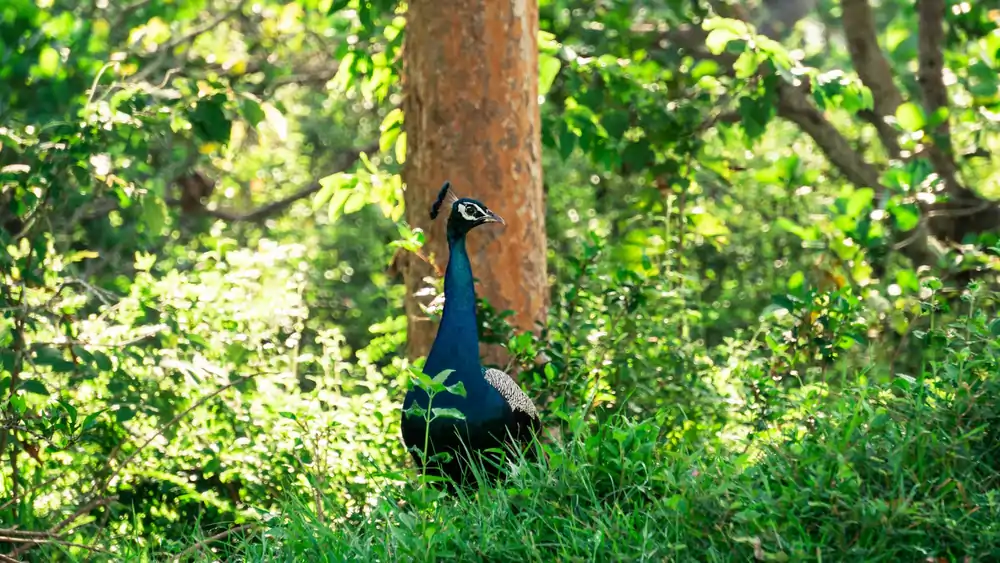
Sri Lanka’s extensive coastline and associated wetlands create vital habitats for resident and migratory waterbirds, establishing some of the finest coastal bird-watching places in South Asia. Bundala National Park, located along the southern coast, achieves international significance as a Ramsar Wetland of International Importance, attracting thousands of migratory waders and waterfowl annually.
Bird watching at Bundala revolves around its complex of lagoons, salt pans, and scrubland that support an astonishing diversity of aquatic species. The park serves as a critical wintering ground for the Greater Flamingo, with flocks sometimes numbering in the thousands, creating spectacular pink gatherings against the blue coastal waters. Beyond flamingos, the wetlands teem with painted storks, pelicans, ibises, spoonbills, and a bewildering variety of ducks, terns, and waders.
The experience of bird watching in Bundala’s varied habitats differs markedly from forest birding. Here, the landscape opens up, allowing distant scanning with spotting scopes and binoculars. Jeep safaris along designated routes bring observers close to concentrations of waterbirds without causing disturbance. The mixture of fresh and saltwater habitats, combined with the surrounding scrub forest, attracts an unusually diverse array of species, from diminutive bee-eaters to massive fish eagles.
Kumana National Park, situated on the southeastern coast, rivals Bundala as one of the premier bird-watching places for wetland species. The park’s claim to fame rests primarily on Kumana Villu, a seasonal lake that becomes a vast breeding colony during the April to July nesting season. Tens of thousands of waterbirds congregate here, creating one of the most spectacular ornithological phenomena in Sri Lanka. The cacophony of calling birds, the constant movement of adults flying to and from feeding grounds, and the sight of thousands of nests crowded into the surrounding trees create an overwhelming sensory experience.
Both Bundala and Kumana offer bird-watching opportunities that complement the forest species seen elsewhere in Sri Lanka. The dry zone habitats surrounding these wetlands also harbor several species rarely encountered in the wet zone, including the endemic Brown-capped Babbler and the striking Indian Pitta during migration season. For comprehensive bird watching coverage of Sri Lanka’s avifauna, visits to both coastal wetlands and inland forests prove essential.
Highland Bird Watching: Horton Plains and Nuwara Eliya
The central highlands of Sri Lanka, rising to elevations exceeding 2,000 meters, create a distinct montane ecosystem that harbors several endemic species found nowhere else on the island. Bird watching in these misty uplands presents unique challenges and rewards, as visitors navigate cooler temperatures and changing weather while searching for highly localized species adapted to mountain life.
Horton Plains National Park stands as the premier highland bird-watching destination. This windswept plateau, covered in cloud forest and grassland, hosts several critically important endemic species. The Sri Lanka Whistling Thrush, Sri Lanka Bush Warbler, and Sri Lanka Wood Pigeon all inhabit these highlands, while the diminutive Dull-blue Flycatcher flits through the forest understory. The park’s most famous resident, the Sri Lankan White-eye, occurs here in good numbers, often joining mixed feeding flocks that roam the forest edges.
Early morning bird watching at Horton Plains demands warm clothing and waterproof gear, as temperatures can drop significantly and mist frequently rolls across the plateau. However, these atmospheric conditions create hauntingly beautiful scenarios where endemic birds materialize from the fog, their calls echoing across the grasslands. The park’s famous World’s End viewpoint offers spectacular vistas, but serious birders often bypass this tourist attraction to focus on the productive forest trails where endemic species concentrate.
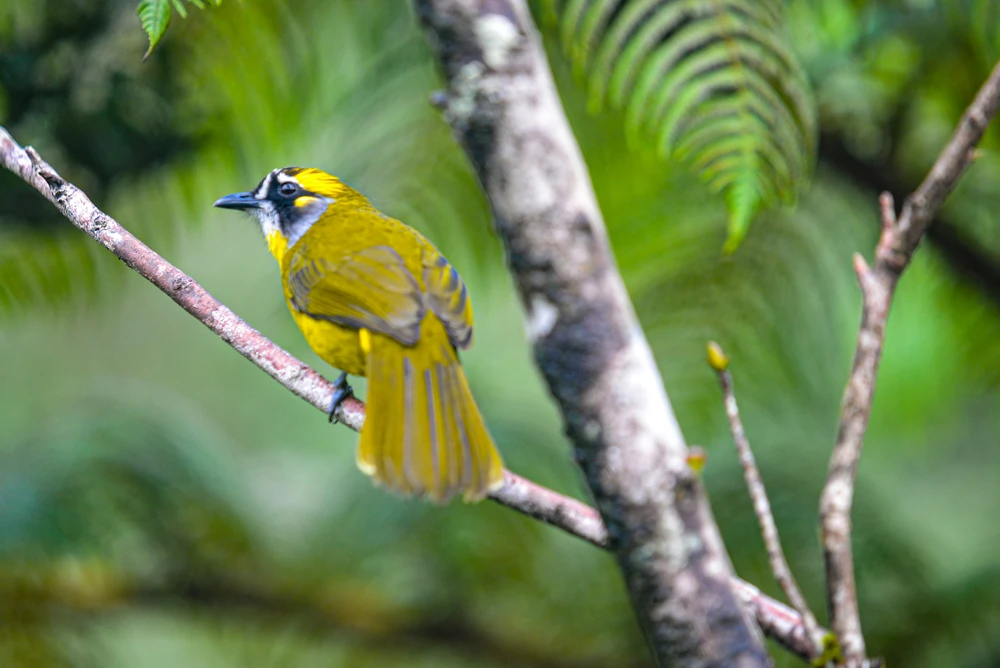
The Nuwara Eliya area, with its tea plantations, patches of forest, and high-elevation lakes, provides additional bird-watching opportunities in the highlands. Victoria Park in the town center surprisingly harbors several montane specialists, while the surrounding countryside offers chances to encounter the Yellow-eared Bulbul, another endemic species. The fragmented nature of highland habitats means bird watching here requires more patience and local knowledge than in lowland forests, making experienced guides particularly valuable.
Bird watching in Sri Lanka’s highlands also provides relief from the tropical heat that characterizes lower elevations. The pleasant climate, combined with stunning scenery and the presence of several endemic species found nowhere else on the island, makes the highlands an essential component of any comprehensive birding tour. The distinct species composition compared to lowland areas means that successful highland bird watching significantly expands the trip list of endemic and specialty species.
Endemic Species: The Crown Jewels of Sri Lankan Bird Watching
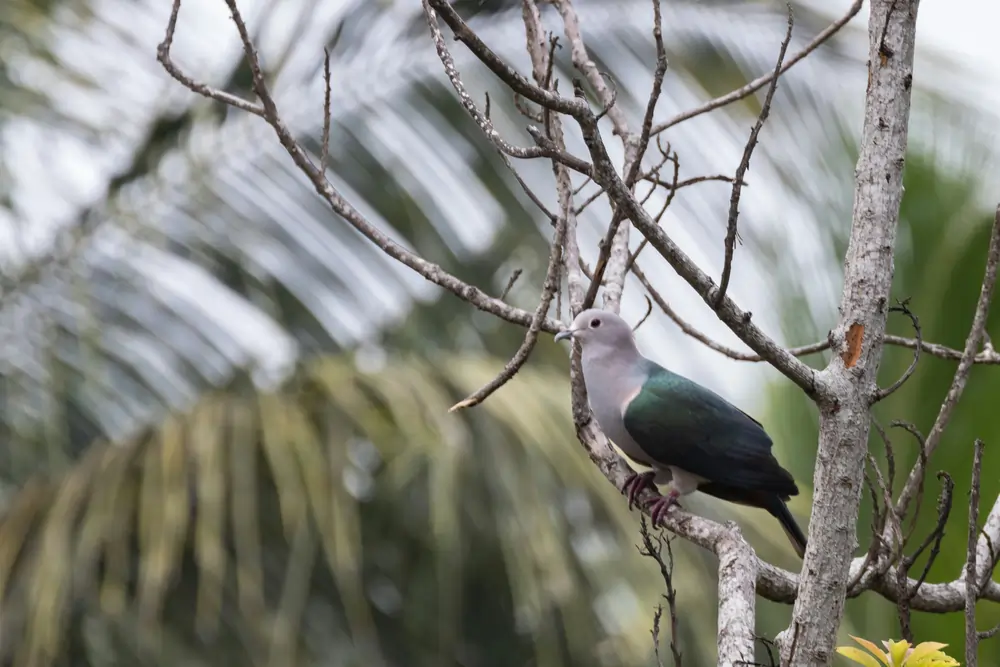
The pursuit of endemic species drives much serious bird watching in Sri Lanka. These 34 birds, found nowhere else on Earth, have evolved in isolation since the island separated from the Indian subcontinent millions of years ago. Their existence represents unique evolutionary trajectories, and observing them connects birders directly to Sri Lanka’s distinctive natural heritage.
Several endemic species rank among the world’s most beautiful birds. The Sri Lanka Blue Magpie, with its ultramarine blue plumage, red bill, and long graduated tail, epitomizes tropical elegance. Encounters with this species, often in noisy family groups, provide highlights of any bird-watching trip. The Layard’s Parakeet, formerly considered a subspecies of the Rose-ringed Parakeet but now recognized as a full endemic species, adds emerald and crimson splashes to the forest canopy.
Other endemic species present greater challenges for bird-watching enthusiasts. The Red-faced Malkoha, a cuckoo of dense undergrowth, requires patient searching and often reveals itself only through its distinctive calls. The Sri Lanka Spurfowl, a large terrestrial bird of hill forests, typically proves easier to hear than see, though its explosive calls echoing through the forest create memorable moments even when visual confirmation proves elusive.
The diversity of endemic species spans multiple habitat types, meaning comprehensive coverage requires visiting various regions. Wet zone forest endemics like the Green-billed Coucal and Ceylon Scaly Thrush necessitate visits to places like Sinharaja, while dry zone specialists such as the Brown-capped Babbler require detours to parks like Bundala or Yala. Highland endemics demand ascents to places like Horton Plains, where the Sri Lanka Bush Warbler and Dull-blue Flycatcher inhabit the misty cloud forests.
For dedicated bird watching enthusiasts, Sri Lanka offers realistic opportunities to observe all 34 endemic species during a well-planned two to three-week visit. This achievability, combined with the island’s generally cooperative birding conditions, explains why Sri Lanka consistently ranks among the world’s top bird-watching destinations. The thrill of ticking off endemic after endemic, knowing that each represents a species existing nowhere else, creates an addictive quality that brings many birders back to Sri Lanka repeatedly.
Migratory Spectacles: Seasonal Bird Watching Highlights
While resident and endemic species form the foundation of bird watching in Sri Lanka, seasonal migrants add impressive diversity and numerical abundance. The island’s position along major migration routes between Asia and Africa means that millions of birds pass through or winter here annually, creating spectacular concentrations at key bird-watching places during peak migration periods.
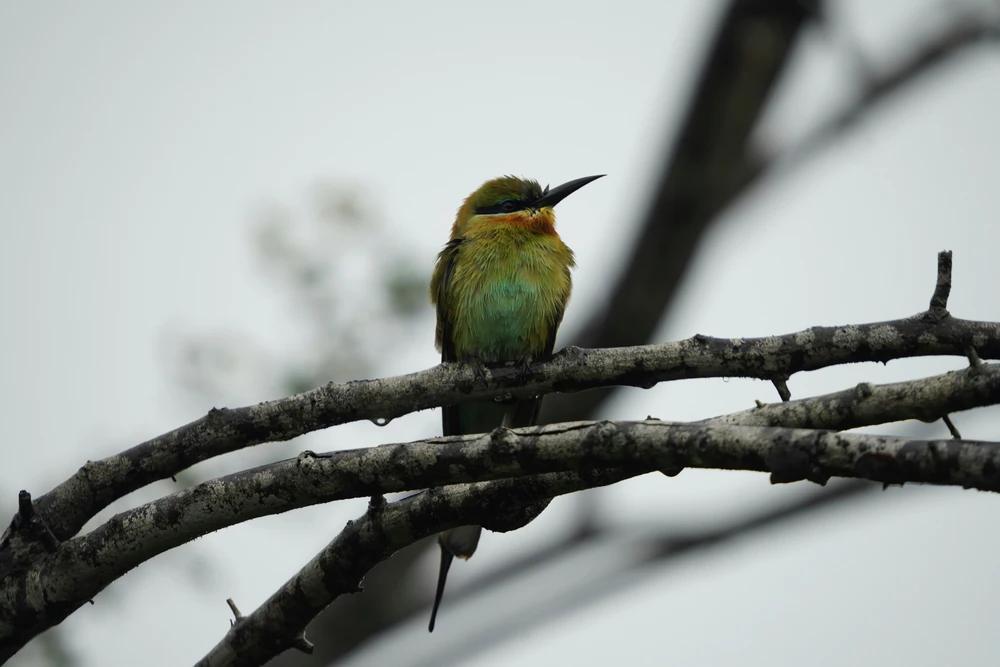
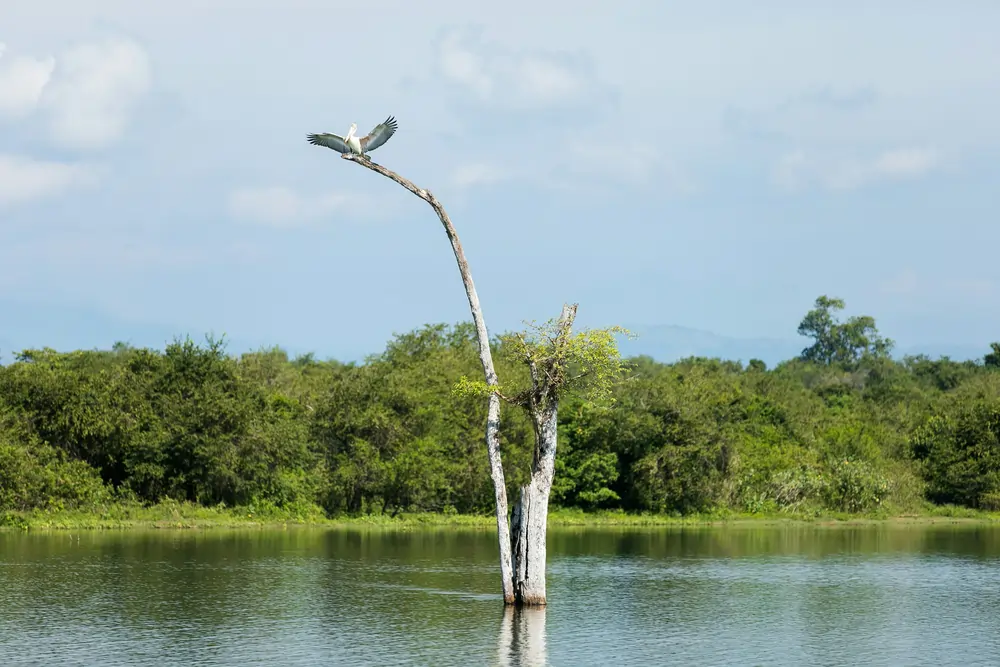
The northeast monsoon, arriving in November and continuing through March, brings the greatest numbers of migrants. Waders flood the coastal wetlands, with species like the Terek Sandpiper, Greater Sand Plover, and various stint species arriving in thousands. Raptors concentrate at bottleneck points, with Spot-billed Pelicans, Painted Storks, and Asian Openbills gathering at productive feeding locations. Forest migrants like the Indian Pitta, Blue-tailed Bee-eater, and various species of cuckoos appear in wooded habitats throughout the island.
Bird watching during migration periods requires different strategies than searching for residents. Coastal sites demand patient scanning through flocks to pick out individual species among the masses. Timing proves crucial, with early morning high tides pushing waders closer to shore, while raptor migration peaks during mid-morning thermals. The unpredictability of migration adds excitement, as rarities occasionally appear among common migrants, offering chances for species far outside their normal ranges.
Several locations become migration hotspots where bird watching during peak periods becomes truly spectacular. The Mannar area in the northwest attracts concentrations of waterbirds and serves as a landfall for exhausted trans-oceanic migrants. The Jaffna Peninsula, accessible to visitors again after years of conflict, hosts impressive numbers of migratory waders and has recently revealed itself as a major bird-watching destination. These northern locations complement the better-known southern sites, demonstrating that excellent bird-watching opportunities exist throughout Sri Lanka.
Understanding migration patterns enhances bird watching success. Early season migrants, arriving in November and December, often appear in peak plumage, while late season departures in April and May show birds preparing for breeding. Some species merely pass through on longer journeys, while others settle in for the entire winter. This complexity creates ever-changing bird-watching conditions, where each visit to the same location can produce different species depending on timing within the migration window.
Photography and Bird Watching: Capturing Sri Lanka’s Avian Beauty
Many modern bird watching enthusiasts also pursue bird photography, seeking to document their sightings and share Sri Lanka’s avian treasures with others. The island offers excellent opportunities for photographers, with relatively approachable birds, good light conditions, and diverse species creating ideal circumstances for capturing memorable images.
Several factors make bird watching locations in Sri Lanka particularly photography-friendly. Many species show limited fear of humans, especially in protected areas and gardens where they’ve become habituated to observers. This tameness allows closer approaches than would be possible with the same species in other countries, facilitating detailed photography without expensive super-telephoto lenses. The strong tropical light, while harsh during midday, creates beautiful conditions during the golden hours around dawn and dusk.
Successful bird photography while bird watching requires some specialized equipment beyond standard binoculars. A camera with fast autofocus and good high-ISO performance handles the challenging conditions of forest interiors, while a telephoto lens in the 300-600mm range provides appropriate reach for most situations. A sturdy tripod or monopod steadies the equipment during long waits for perfect moments, though the dynamic nature of bird watching often necessitates hand-holding for flexibility.
Certain bird-watching places in Sri Lanka prove particularly productive for photography. The Sinharaja Forest canopy walkways allow eye-level access to canopy species that would otherwise remain photographable only as silhouettes against the sky. Bundala’s water birds often approach remarkably close to vehicles, enabling frame-filling images without specialized hides. Urban gardens and botanical gardens provide both diverse species and attractive backgrounds, creating magazine-worthy images of even common birds.
Ethical considerations remain paramount when combining photography with bird watching. Disturbing birds for better photographs, playing recordings to lure rare species within range, or baiting with food to manipulate behavior all undermine conservation principles and can harm the very species photographers seek to celebrate. Responsible bird watching photographers accept the images nature provides rather than forcing unnatural situations, ensuring that their passion for documentation never compromises bird welfare.
Conservation and Responsible Bird Watching
Bird watching in Sri Lanka connects observers to broader conservation challenges facing the island’s ecosystems. Despite its high biodiversity, Sri Lanka faces significant environmental pressures from habitat loss, agricultural expansion, and development. Several endemic bird species occupy restricted ranges, making them vulnerable to even modest habitat degradation. Understanding these issues enriches bird-watching experiences while highlighting the importance of protected areas.
Responsible bird watching practices minimize disturbance to birds and their habitats. Staying on designated trails prevents erosion and protects sensitive vegetation. Maintaining appropriate distances from nests and colonies prevents abandonment or predator attraction. Avoiding the use of playback recordings except sparingly prevents stress to territorial birds already challenged by survival demands. These simple considerations ensure that bird watching remains sustainable and non-harmful.
Economic contributions from bird watching tourism provide powerful conservation incentives. When local communities benefit financially from visiting birders, they develop stakes in protecting habitats and species. The employment of local guides creates expertise within communities while distributing tourism benefits beyond large operators. Staying at locally-owned accommodations and purchasing handicrafts from village cooperatives extends economic benefits further, strengthening the connection between conservation and livelihoods.
Several organizations work specifically on bird conservation in Sri Lanka, and bird-watching visitors can support their efforts. The Field Ornithology Group of Sri Lanka conducts surveys, maintains occurrence records, and advocates for the protection of critical habitats. International organizations like BirdLife International work with local partners on conservation priorities. Contributing to these organizations, either financially or through citizen science participation by sharing bird-watching observations, helps inform conservation strategies.
The future of bird watching in Sri Lanka depends on maintaining the habitats and species that make the island special. Climate change threatens montane endemics adapted to cool conditions, while coastal development pressures wetlands critical for migrants. Agricultural intensification reduces insect populations that many birds depend upon for food. By understanding these challenges and supporting conservation both directly and through responsible tourism, bird watchers become advocates for the ecosystems they cherish, ensuring future generations can experience the same magical encounters that draw visitors to Sri Lanka today.
Your Sri Lankan Bird Watching Adventure Awaits
Bird watching in Sri Lanka offers rewards that transcend simple species lists and photographic collections. The experience connects participants to ecosystems shaped by millions of years of evolution, to endemic species found nowhere else on Earth, and to the dedicated people working to preserve this natural heritage. Whether observing a mixed flock of endemics in Sinharaja’s dripping rainforest, watching thousands of flamingos at Bundala’s lagoons, or seeking rare montane species in the misty highlands, bird watching creates memories that endure long after the journey ends.
The island’s accessibility makes it ideal for both beginning and experienced birders. A week-long trip can produce 150-200 species with proper planning, while serious enthusiasts dedicating three weeks might approach 300 species, including nearly all endemics. The infrastructure supporting bird watching continues improving, with more specialized guides, better accommodations, and increased awareness of sustainable tourism practices all enhancing visitor experiences while benefiting conservation.
As you plan your bird watching adventure in Sri Lanka, remember that each sighting represents not just a checkmark on a list but a connection to this island’s unique evolutionary story. The endemic birds evolved here in isolation, adapting to specific niches and developing characteristics found nowhere else. The migratory species link Sri Lanka to vast international networks spanning continents. Every bird encountered tells a story of survival, adaptation, and the intricate web of life that makes our planet so endlessly fascinating.
Sri Lanka awaits with its unparalleled bird watching opportunities, from the emerald forests of Sinharaja to the sun-baked wetlands of Bundala, from the misty highlands of Horton Plains to the bustling urban gardens of Colombo. Pack your binoculars, charge your camera batteries, and prepare for an avian adventure that will likely become one of your most treasured travel memories. The birds of Sri Lanka are waiting to share their island paradise with you.