



Sri Lanka Is Safe: A Closer Look at the Reality on the Ground
Ask any seasoned Australian traveller who’s visited in recent years, and they’ll tell you the same thing: Sri Lanka is safe for tourists. The civil war that defined the country’s history for nearly three decades ended in 2009. In the years since, the country has invested heavily in rebuilding its tourism infrastructure, and millions of international visitors have come and gone without incident. Sri Lanka is safe by virtually any measure you care to apply.
Security at hotels, airports, shopping centres, and religious sites has been greatly strengthened over the years. The Sri Lankan government takes the safety of tourists seriously, and the visible security presence in major cities and tourist hubs reflects that commitment. When you ask locals today whether Sri Lanka is safe, the answer ‘Yes’ comes without uncertainty.
Sri Lanka is safe today in a way that many visitors are genuinely surprised to discover. Crime rates targeting tourists remain low. Violent crime is uncommon. The biggest risks you’re likely to face are the kind that follow travellers everywhere: minor theft in crowded areas, tuk-tuk drivers quoting excessive fares, and the occasional dodgy street food situation.
Locals are famously hospitable. Strangers will invite you for tea. Children wave from school buses. Shopkeepers want to tell you about their town. Passersby will pose for photos and ask you where you’re from. Sri Lanka is safe, not just according to reports, but also in everyday life. When you’re actually there, you’ll find it feels welcoming, friendly, and comfortable for visitors. People here genuinely want you to have a good time. That spirit of welcome is itself a form of safety.
That said, travelling safely anywhere in the world requires a baseline of awareness and preparation. Sri Lanka is no different. The good news is that preparation here is genuinely enjoyable, because learning about this country only makes you want to visit it more.
Getting To Sri Lanka and Arriving Safely
Bandaranaike International Airport is your most likely entry point to Sri Lanka. It’s a modern, well-organised airport with functioning facilities and official taxi and ride-share options right at the exit. Sri Lanka is safe to arrive in at any time of day or night, though arriving during daylight hours gives you more options if something goes sideways with your accommodation booking.
To travel safely from the airport, stick to licensed taxis or pre-booked airport transfers. Avoid accepting rides from strangers who approach you inside the terminal. Prices should be agreed upon before you get in the vehicle. The ride to central Colombo typically takes between 45 minutes and an hour, depending on traffic.
Have your accommodation address written down, not just stored on a phone with a dying battery. Know your hotel’s name and neighbourhood if possible. It helps especially when you’re navigating by tuk-tuk in a busy area, and your driver’s English is limited.
Register your trip with your home country’s embassy or consulate before you leave. It takes five minutes online and means someone can reach you in a genuine emergency. Most travellers never need it, but it’s one of the simplest ways to travel safely regardless of your destination.
Sri Lanka is safe for solo arrivals and group travellers alike. The airport ETA (Electronic Travel Authorisation) process is straightforward and should be sorted before you board. It takes about 20 minutes online, costs very little, and saves you time on arrival. Getting this right means your first experience of Sri Lanka is a smooth one, and smooth beginnings set the tone for everything that follows.
Moving Around Sri Lanka
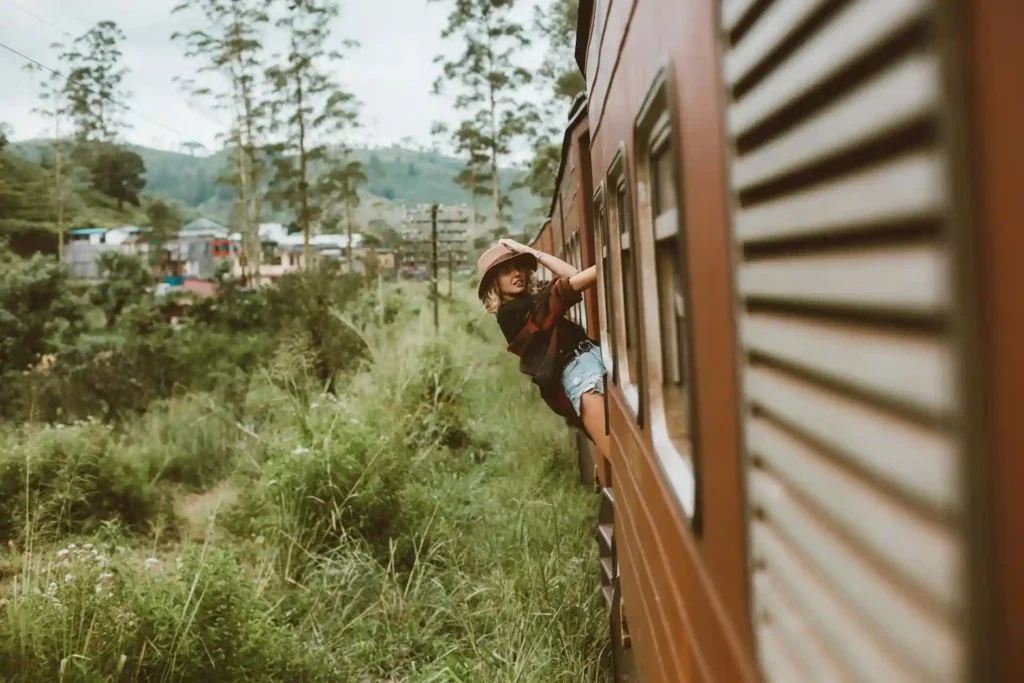
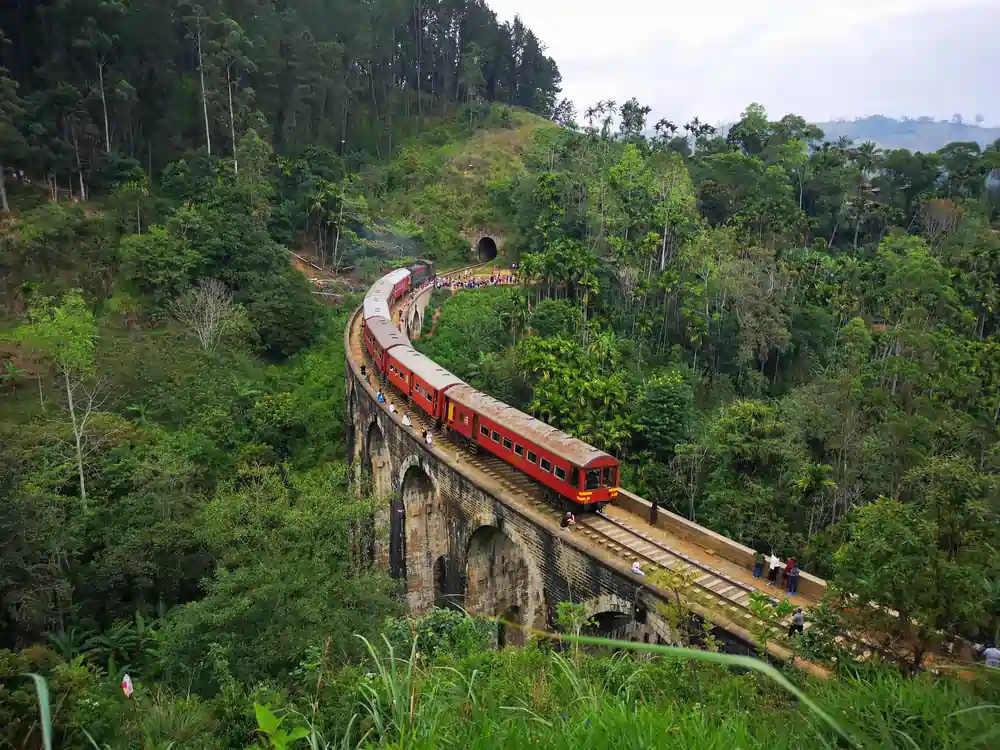
Sri Lanka is safe to explore from top to bottom, and the island is surprisingly compact, which means you can cover a remarkable amount of ground in a short time. The famous hill country train from Kandy to Ella is one of the most beautiful rail journeys in the world, winding through cloud forests and over steep valleys with views that genuinely stop conversations. Sri Lanka is safe for train travel, and this route in particular is considered one of the most memorable ways to see the country.
To travel safely by train, book tickets in advance through the official Sri Lanka Railways website or a reputable travel agent. Second and first-class seats have assigned seating; third class is standing-room chaos but deeply atmospheric if you’re up for it. Keep your belongings close, especially in crowded carriages, and enjoy the ride.
Tuk-tuks are the heartbeat of local transportation. They’re fun, fast, and wonderfully convenient. Always agree on the fare before departing. Apps like PickMe and Uber are available in most cities and take the negotiation out of it entirely, which makes it much easier to travel safely without worrying about excessive fares. Using an app also gives you a record of your driver details, which adds a layer of reassurance if you’re travelling solo.
Long-distance buses connect most of the island’s major destinations and are cheap. They’re also a genuine adventure. Air conditioning is optional, schedules are approximate, and the driving will give you a story to tell. Private air-conditioned buses can be booked online and are more comfortable for longer journeys. Sri Lanka is safe for budget travellers who rely on public transport, and buses are a perfectly viable way to travel safely between major towns.
Renting a vehicle and driving yourself is possible, but it comes with real challenges. Sri Lanka drives on the left, road conditions vary dramatically, and traffic in cities is heavy. If you want freedom of movement, consider hiring a driver for the day or the week. It’s more affordable than you’d expect, and a good local driver helps you travel safely while unlocking insider knowledge no guidebook can provide. Many travellers consider their driver one of the highlights of the trip.
Health and Medical Safety
Staying healthy is central to any plan to travel safely, and Sri Lanka deserves proper preparation in this regard. A few smart steps to take care of your health before departure go a long way.
Before you travel, visit a travel health clinic or your doctor to check which vaccinations are recommended for your specific itinerary. Dengue fever is sometimes present in Sri Lanka and is transmitted by mosquitoes. There’s no vaccine for it, so prevention is your only tool. Use insect repellent, wear long sleeves at dawn and dusk, and sleep under a mosquito net in areas that require caution.
Tap water in Sri Lanka should not be drunk directly. Bottled water is widely available and inexpensive. When eating street food, which you absolutely should, look for stalls with high turnover and visibly freshly cooked food. Your stomach will thank you for starting slowly with spice levels if you’re not used to Sri Lankan cuisine. The heat here can be tricky. So drink more water than you think you need, particularly if you’re sightseeing or on the coast.
Pharmacies are plentiful in cities and larger towns. Many medicines are available over the counter that would require a prescription elsewhere. For serious medical needs, main cities have hospitals equipped to international standards. Travel insurance that includes medical evacuation is strongly recommended. Sri Lanka is safe for the majority of visitors, but having coverage means health decisions are made based on need, not budget.
Respecting Culture and Religion
Sri Lanka’s friendly attitude toward tourists comes from its culture. Hospitality is an important part of life here, and religion plays a big role in daily routines. Communities are close-knit, traditions are respected across different religions and ethnic groups, and visitors who show respect are usually welcomed warmly.
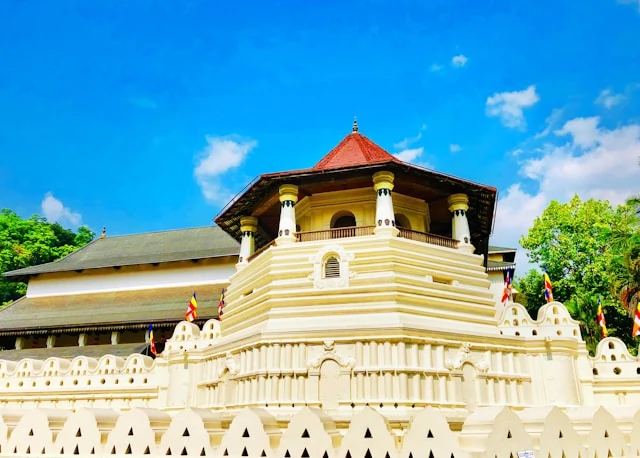
Understanding local customs can help you travel more comfortably and avoid awkward or difficult situations. Sri Lanka is safe for visitors of all backgrounds when they approach local traditions with openness and respect. When visiting temples, dress modestly. It’s best to cover your shoulders and knees and remove your shoes before entering religious areas. Be respectful when taking photos, especially around sacred statues. Avoid posing in ways that could be seen as disrespectful.
Sri Lanka also celebrates full moon holidays called Poya days. On these days, alcohol is not sold in restaurants or shops. If you’re planning a night out or special dinner, it’s helpful to check the calendar in advance. Public displays of affection are generally uncommon outside tourist areas. LGBTQ+ travellers are usually welcomed, especially in popular destinations, but it’s wise to be discreet in more rural or traditional areas.
Overall, Sri Lanka is a welcoming place and Sri Lanka is safe for travellers of every background and belief. Showing respect for local culture and traditions will help ensure a smooth and enjoyable trip.
Navigating Scams and Tourist Traps
Sri Lanka is safe for travellers, but like any popular tourist destination, it is not completely free of scams. This is normal in many countries that receive large numbers of visitors. The important thing is simply knowing what to watch for. When you understand the common tricks, you can travel safely with confidence without becoming overly worried or suspicious of everyone you meet.
One of the most well-known scams in Sri Lanka is the gem scam. It usually starts when a friendly stranger begins a conversation and slowly builds trust. After some time, they may suggest visiting a special gem shop where you can apparently buy valuable stones and sell them for a profit back home. In reality, these gems are often heavily overpriced or not valuable at all. If someone you just met strongly recommends a specific gem shop or insists that you should visit it quickly, it is best to politely decline and move on.
Another situation travellers sometimes face involves tuk-tuk drivers. A driver may tell you that the place you want to visit is “closed today” or “not available,” and then offer to take you somewhere else instead. Usually, this alternative location is a shop, restaurant, or attraction where the driver receives a commission for bringing tourists. If you have already planned to visit a certain place, it’s a good idea to check the information yourself before changing your plans.
In some busy tourist areas, overcharging at restaurants can occasionally happen, especially at places that do not display a menu. To avoid confusion, ask to see a menu before ordering and check the prices carefully. This is especially important when ordering seafood or fresh fruit juices, because these items are sometimes priced separately or based on weight.
None of these situations should make you feel uneasy about visiting the country. Sri Lanka is safe, and the vast majority of people you meet will be honest, welcoming, and helpful. These issues are generally small inconveniences that experienced travellers learn to manage easily. They are not something that defines the overall travel experience.
When it comes to money, it is best to carry a mix of payment options. Credit cards are widely accepted at most hotels, larger restaurants, and many tourist businesses. However, smaller guesthouses, local eateries, street food vendors, tuk-tuk drivers, and temple entrances often accept cash only.
ATMs are available in cities and larger towns across the country. However, if you are planning to travel to more rural or remote areas, it is smart to withdraw cash in advance, because machines may be limited, unreliable, or sometimes unavailable in smaller villages.
Natural Hazards and Seasonal Safety
Sri Lanka is safe, beautiful and diverse. But like many places with dramatic natural scenery, it also comes with a few natural conditions that travellers should understand before exploring.
The monsoon season affects different parts of the island at different times of the year. The southwest coast usually receives heavy rain from May to September, while the northeast coast tends to get more rain from October to February. Sri Lanka is safe to visit throughout the year, but understanding these seasonal patterns can help you plan a more enjoyable trip. Choosing the dry season for the region you want to visit will give you better weather and more opportunities to explore outdoors.
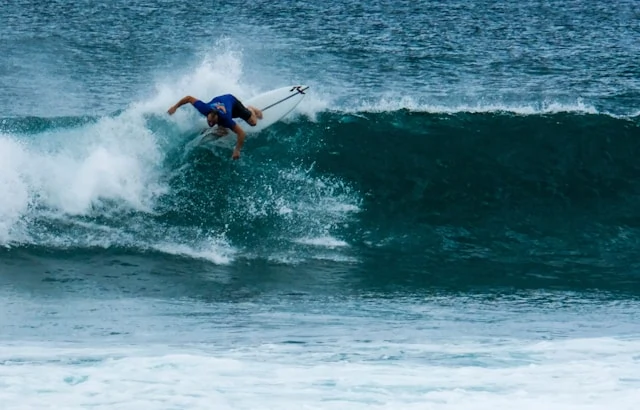
Swimming in the ocean is another activity where a little caution is important. The currents along some Sri Lankan beaches can be strong, and rip currents are a real risk in certain areas. It’s always safest to swim at beaches where lifeguards are present. Pay attention to beach flags that show safe swimming areas, and ask locals or staff at your hotel or guesthouse about the current ocean conditions before entering the water.
Sri Lanka is safe for swimming when you choose the right beaches and the right season. Sadly, drowning is one of the most common causes of tourist deaths in Sri Lanka, but most incidents can be prevented simply by staying aware and following local advice.
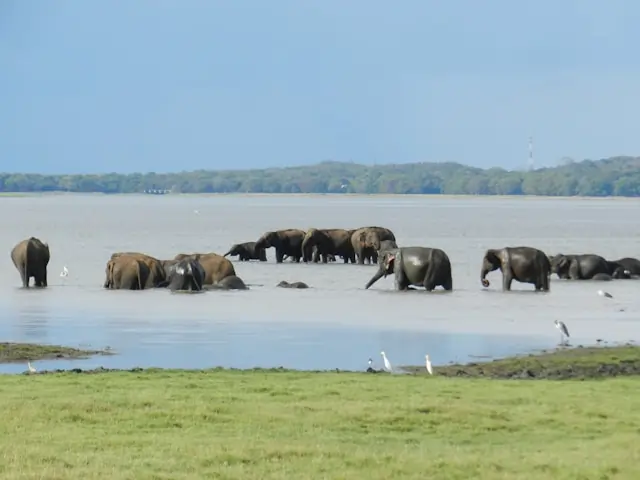
Wildlife experiences are one of the most exciting parts of visiting Sri Lanka. The island is famous for its incredible biodiversity, including leopards, elephants, blue whales, and many rare birds and animals. Sri Lanka is safe for wildlife tourism when you travel with responsible guides and reputable tour operators. However, it is important to keep a respectful distance from animals, especially elephants, outside national parks. Wild elephants can become unpredictable if they feel threatened, and human-elephant conflicts are known to occur in some rural areas. Always follow the safety guidelines provided at national parks, as these rules protect both visitors and the animals.
Hiking is another wonderful way to experience Sri Lanka’s natural beauty. The hill country offers some spectacular trails, including famous routes such as Adam’s Peak, Horton Plains, and the Knuckles Mountain Range. These hikes reward visitors with stunning scenery, cool mountain air, and unforgettable views.
For less-travelled trails, it is a good idea to hire a local guide who knows the terrain well. Starting hikes early in the morning helps you avoid the afternoon heat and gives you more time to enjoy the landscape. Always bring enough drinking water, wear comfortable footwear, and let someone at your accommodation know where you are going and when you expect to return. Sri Lanka is safe for hikers who prepare properly, plan, and choose routes that match their fitness level.
Safety in Sri Lanka for Solo Travellers
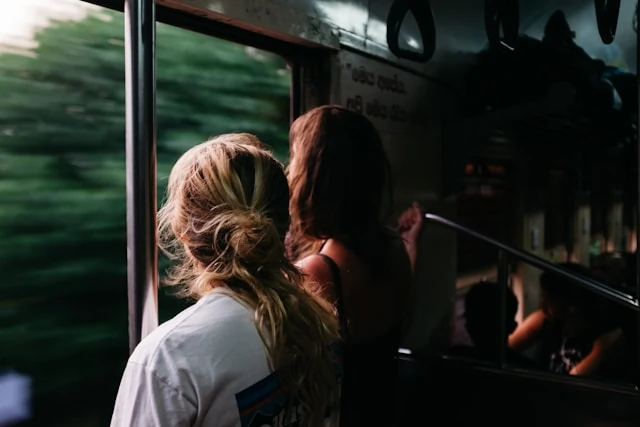
Solo travellers, including solo women travellers, consistently report that Sri Lanka is safe and genuinely welcoming. Female solo travellers should be aware that occasional unwanted attention can occur, particularly in cities, but it rarely escalates beyond the level of annoyance. Most of the time, you’ll simply be welcomed as a curious visitor. The discomfort, when it does arise, is the kind that confidence and firm body language tend to defuse quickly. It is not the kind that should stop you from coming.
Dress modestly as a practical safety measure. Choose accommodation with strong reviews from other solo travellers. Trust your instincts. If something feels off, remove yourself from the situation without apology. A local SIM card (available cheaply at the airport) gives you access to maps, ride-share apps, and communication. It’s one of the simplest ways to travel safely on your own, and it transforms your phone from a camera into a genuine navigation and safety tool from the moment you land.
Guesthouses and boutique hotels often have staff who genuinely look out for solo guests, offer local tips, and help arrange transportation. Don’t underestimate the value of a good host. A well-connected guesthouse owner can recommend which beach is calm enough for safe swimming this week, which roads to avoid after dark, and which local restaurant is worth the ten-minute tuk-tuk ride. These small pieces of on-the-ground knowledge make a real difference.
Online forums and travel communities dedicated to Sri Lanka are full of current, firsthand information from people who’ve recently done exactly what you’re planning. Reading a handful of recent solo traveller accounts before you go costs nothing and builds the kind of practical confidence that no guidebook can fully replicate. Many of these accounts will confirm what this guide has said from the start: Sri Lanka is safe, and those who travel safely enjoy a richer, more rewarding experience.
Sri Lanka is safe for solo travellers who stay aware and take the same basic safeguards they’d apply anywhere unfamiliar. Thousands of first-timers navigate it alone every year, and most of them are already planning their return trip before they’ve even boarded the flight home.
A Note on Economic Conditions
Sri Lanka experienced a severe economic crisis in 2022, with shortages of fuel, medicine, and basic goods causing significant hardship for locals. The situation has stabilised considerably since then, and Sri Lanka is safe for tourism. However, it’s worth being aware of the broader context as a mindful traveller.
Supporting locally owned guesthouses, restaurants, and guides puts money directly into the hands of Sri Lankan families who need it. Avoid negotiating aggressively over small amounts with street vendors or tuk-tuk drivers, because what feels like a trivial sum to a tourist can represent meaningful income to a local. Travelling thoughtfully is part of how you travel safely in the fullest sense of the word.
Travel to Sri Lanka with Confidence
Sri Lanka is safe. It’s important to say this clearly, because some travellers still hesitate due to an outdated image of the country. In reality, Sri Lanka is safe for families, solo backpackers, honeymooners, adventure travellers, history lovers, and wildlife lovers. It’s a place where many different types of travellers can feel comfortable exploring.
As with any trip, a little preparation helps. Make sure everything is up to date. Learning a few words of Sinhala is always appreciated by locals. Pack essentials such as a scarf for temple visits, sunscreen, insect repellent, and some cash. It is also smart to travel safely by keeping digital and physical copies of your important documents.
Once you arrive, take time to enjoy the experience. Always know that Sri Lanka is safe, welcoming, and unforgettable. The island is full of culture, natural beauty, and warm hospitality. The only real mistake would be missing the chance to experience it.
Sri Lanka is safe, and it is waiting for you. So, travel safely, travel curiously, and travel soon.