



Why Choose Diving in Sri Lanka for Your Next Vacation
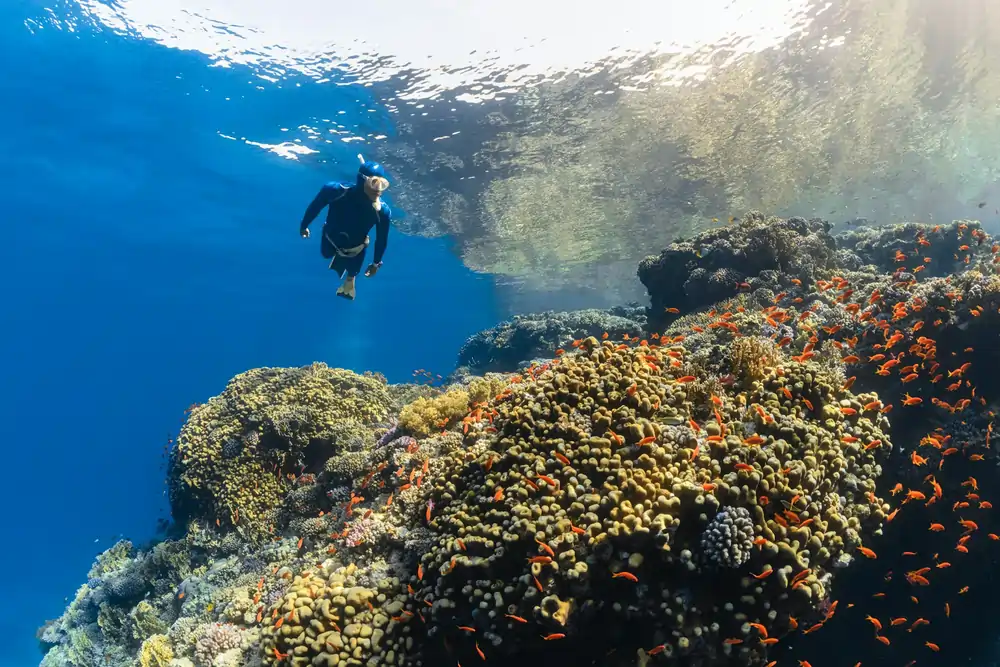
When planning scuba diving vacations, travelers consider several factors: water temperature, visibility, marine life diversity, accessibility, and overall value. Diving in Sri Lanka excels in all these categories. The water temperature remains comfortably warm throughout the year, typically ranging between 27-30°C, eliminating the need for thick wetsuits and making diving comfortable for extended periods underwater.
The visibility when diving varies by season and location, but frequently exceeds 20-30 meters, particularly during calm sea conditions. This exceptional clarity allows tourists to fully appreciate the underwater scenery, from complex coral formations to schooling fish and passing pelagics. The diversity of dive sites ensures that diving in Sri Lanka caters to all skill levels and interests.
Furthermore, Sri Lanka offers exceptional value for scuba diving vacations compared to other tropical destinations. Accommodation, dining, and diving services are competitively priced, allowing tourists to enjoy extended stays and multiple dives without breaking the bank. The combination of affordable luxury, warm hospitality, and world-class diving makes it an increasingly popular choice for tourists seeking authentic underwater adventures.
Prime Locations for Diving in Sri Lanka
Sri Lanka’s diverse coastline stretches over 1,300 kilometers, offering tourists a remarkable variety of diving locations to explore. Each coastal region presents unique underwater landscapes, marine ecosystems, and diving experiences, making diving in Sri Lanka suitable for every preference and skill level.
West and South Coast Diving Destinations
The western and southern coasts are among the most accessible regions for diving in Sri Lanka, particularly for tourists staying in or near Colombo. These areas offer numerous dive sites within easy reach of tourist accommodations, making them ideal for scuba diving vacations.
Hikkaduwa stands out as one of the most popular tourist destinations for diving in Sri Lanka. Located approximately 100 kilometers south of Colombo, Hikkaduwa combines beautiful beaches with excellent diving opportunities. The Coral Gardens, Hikkaduwa’s signature dive site, features vibrant hard and soft corals teeming with tropical fish. When diving in Sri Lanka’s Hikkaduwa region, tourists regularly encounter butterflyfish, parrotfish, angelfish, moorish idols, and occasional turtles. The shallow depths (5-20 meters) make these sites perfect for novice divers and underwater photography enthusiasts on their scuba diving vacations.
Unawatuna, another gem along the southern coast, offers diving that appeals to both recreational and technical divers. The famous Galle Shipwreck, also known as the SS Rangoon, lies at depths of 18-30 meters and has become an artificial reef hosting barracudas, trevallies, batfish, and various ray species. Diving in Sri Lanka’s Unawatuna area provides tourists with the opportunity to explore both natural coral reefs and historically significant wreck sites during their scuba diving vacations.
Mirissa has gained international recognition not only for whale watching but also for exceptional diving in Sri Lanka. The underwater topography features dramatic rocky pinnacles, swim-throughs, and coral-encrusted walls. Mirissa Point, one of the premier sites for diving in Sri Lanka’s south coast, descends to approximately 25 meters and attracts schools of trevallies, snappers, fusiliers, and occasional reef sharks. The convergence of deep ocean currents near Mirissa brings nutrient-rich waters that support abundant marine life, making it a highlight of many scuba diving vacations.
East Coast Diving Paradise
The eastern coast offers distinctly different conditions for diving in Sri Lanka, with the best season running from May to October, when the west coast experiences monsoon conditions. This seasonal variation allows tourists to enjoy year-round scuba diving vacations by simply choosing the appropriate coast.
Trincomalee, affectionately known as “Trinco,” ranks among the finest locations for diving in Sri Lanka. This natural deep-water harbor on the northeast coast boasts exceptional underwater visibility, often exceeding 30 meters during the season. Pigeon Island, a protected marine national park just off Trincomalee, offers some of the best coral reef diving in Sri Lanka. Tourists on scuba diving vacations can snorkel or dive among pristine hard coral formations while observing blacktip reef sharks, sea turtles, and hundreds of reef fish species in their natural habitat.
Batticaloa, further south on the east coast, is home to one of the most iconic sites for diving in Sri Lanka: the HMS Hermes. This British aircraft carrier, sunk by Japanese bombers in 1942, now rests at 54 meters and represents the world’s first purpose-built aircraft carrier to be lost in combat. Technical divers on specialized scuba diving vacations flock to Batticaloa for the opportunity to explore this historically significant wreck. The HMS Hermes measures over 180 meters in length and has been colonized by soft corals, creating an artificial reef that attracts large pelagic fish, including barracudas, trevallies, and occasionally whale sharks.
Northwest Coast Adventures
Kalpitiya, on Sri Lanka’s northwest coast, offers unique opportunities for diving in Sri Lanka that differ significantly from other regions. The area’s premier attraction is Bar Reef, Sri Lanka’s largest coral reef system and one of only two barrier reefs surrounding the island. Bar Reef provides exceptional diving in Sri Lanka, with pristine hard and soft coral formations extending over 300 square kilometers. Tourists on scuba diving vacations here can explore depths ranging from 5 to 40 meters, with the deeper sections attracting manta rays, reef sharks, eagle rays, and occasional whale sharks during migration seasons.
Kalpitiya’s appeal extends beyond diving in Sri Lanka, as the region is also famous for dolphin and whale watching. Spinner dolphins and bottlenose dolphins are frequently encountered in large pods, while blue whales and sperm whales migrate through these waters between November and April. This combination of world-class diving and cetacean encounters makes Kalpitiya an increasingly popular destination for comprehensive scuba diving vacations.
Marine Life Encounters When Diving in Sri Lanka
One of the most exciting reasons tourists choose scuba diving vacations in Sri Lanka is the remarkable diversity of marine life. The island’s position in the Indian Ocean, with deep offshore trenches and nutrient-rich upwellings, creates conditions that support an extraordinary variety of species.
Reef Fish and Coral Communities
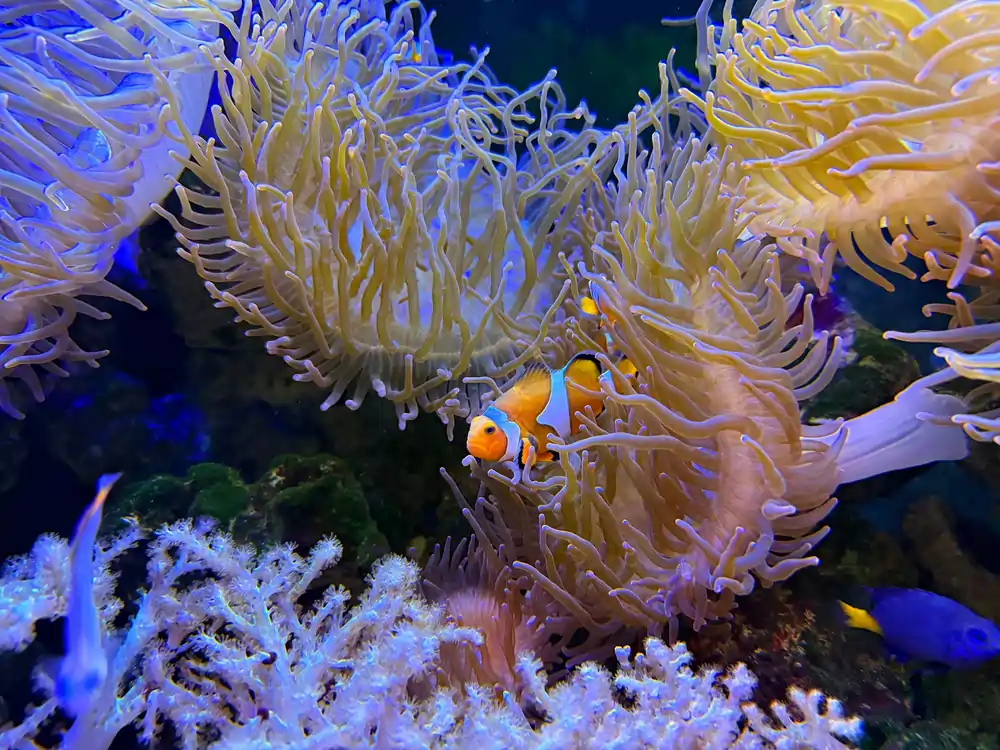
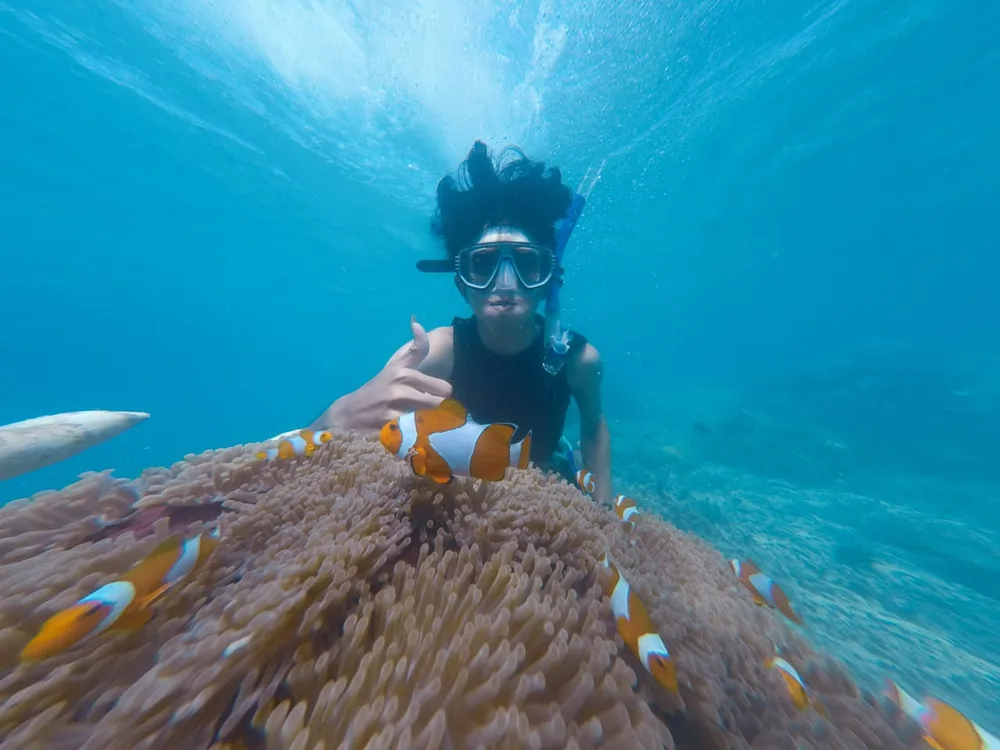
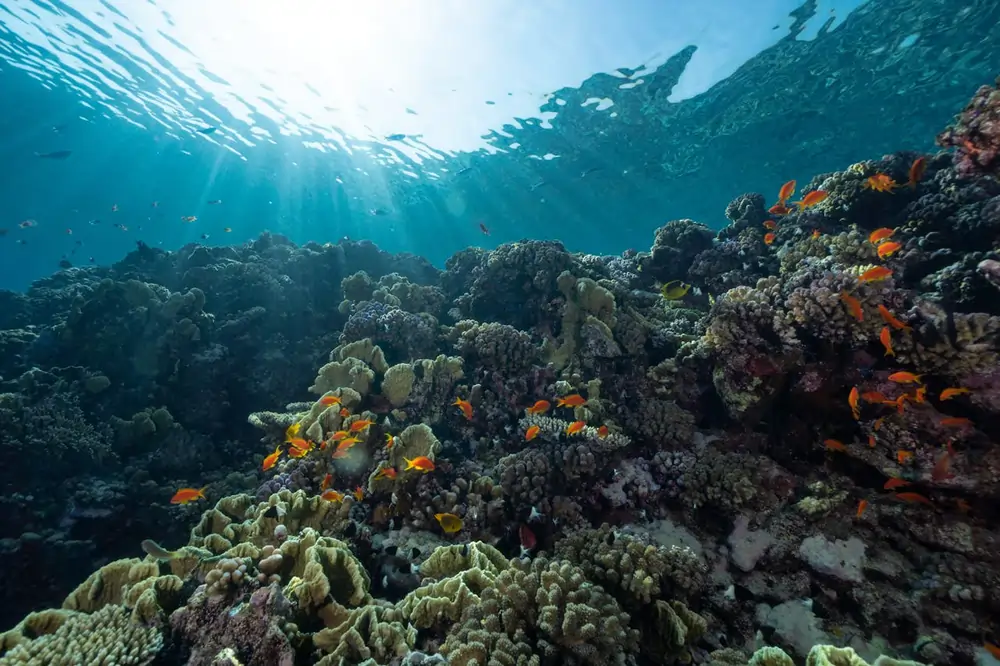
When diving in Sri Lanka’s coral reef environments, tourists discover hundreds of reef fish species. Parrotfish scrape algae from coral surfaces, creating the characteristic crunching sounds heard underwater. Schools of colorful fusiliers swarm above the reef, while butterflyfish and angelfish pick at coral polyps and sponges. Moray eels peer from crevices, their serpentine bodies perfectly adapted for life in tight spaces. Lionfish, with their elaborate fins and venomous spines, hunt small fish along reef edges.
The coral reefs themselves represent complex ecosystems that support this diversity. Hard corals like brain corals, staghorn corals, and table corals create the reef structure, while soft corals and sea fans add color and movement. Diving in Sri Lanka reveals these intricate relationships between corals, fish, and invertebrates that define healthy reef ecosystems.
Larger Marine Animals
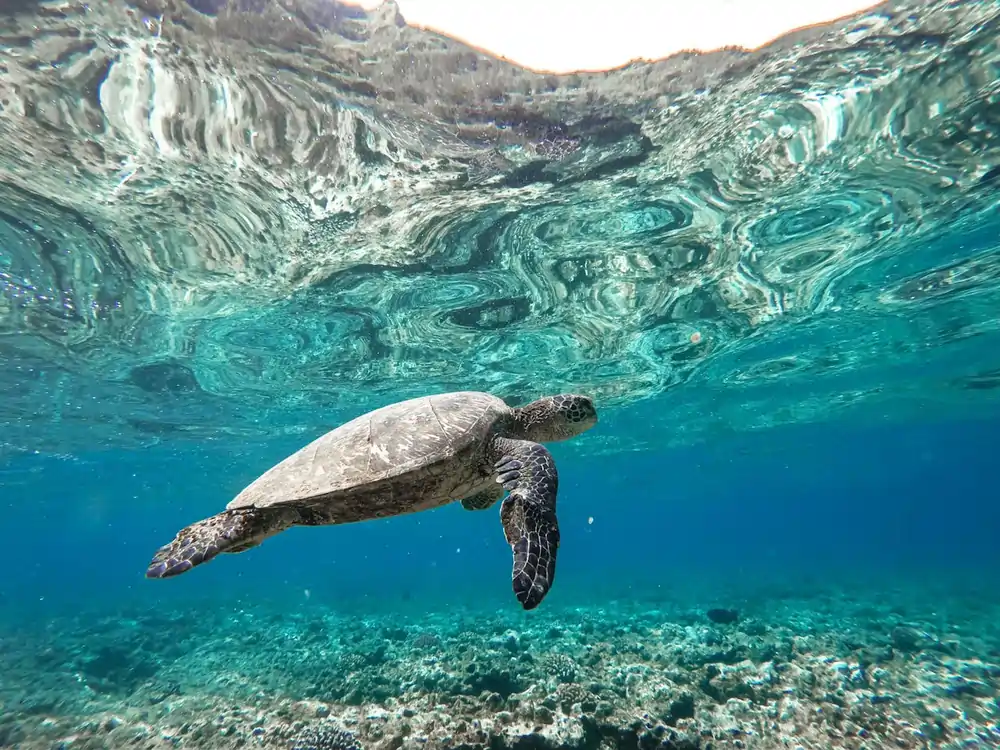
Beyond reef fish, diving in Sri Lanka offers tourists the opportunity to encounter larger marine animals that add excitement to scuba diving vacations. Sea turtles are commonly observed, particularly green turtles and hawksbill turtles, which feed on seagrasses and sponges in shallow waters. Divers frequently find turtles resting under coral ridges or swimming gracefully through open water.
Reef sharks, including blacktip reef sharks, whitetip reef sharks, and occasionally grey reef sharks, patrol the reef edges during dives. These smaller shark species pose no threat to humans and provide thrilling photographic opportunities. When diving in Sri Lanka’s deeper sites, tourists on scuba diving vacations may encounter larger pelagic species, including trevallies, barracudas, tuna, and sailfish.
Eagle rays occasionally glide through the blue water, their distinctive spotted patterns and wing-like fins creating an unforgettable sight. At certain sites and seasons, diving brings opportunities to encounter manta rays, which visit cleaning stations where smaller fish remove parasites from their bodies. The largest fish species, whale sharks, occasionally appear during plankton blooms, particularly near Trincomalee and Kalpitiya, offering once-in-a-lifetime encounters for lucky tourists on their scuba diving vacations.
Macro Life and Invertebrates
For underwater photographers and marine life enthusiasts, diving reveals a fascinating world of smaller creatures. Nudibranchs, the colorful sea slugs that inhabit reefs worldwide, come in dozens of species with intricate patterns and vibrant colors. Ghost pipefishes, pygmy seahorses, and various shrimp species camouflage themselves perfectly among corals and sea fans, challenging divers to spot them.
Octopuses demonstrate remarkable intelligence and color-changing abilities, sometimes observed hunting across the reef or hiding in crevices. Squid occasionally appear in small groups, their ability to change color patterns creating mesmerizing displays. Cuttlefish, related to octopuses and squid, use their color-changing abilities for both camouflage and communication. This diversity of macro life adds another dimension to diving in Sri Lanka, ensuring that every dive reveals new discoveries for observant tourists on their scuba diving vacations.
Wreck Diving Opportunities
Historical shipwrecks represent some of the most exciting sites for diving. The island’s position along ancient and modern shipping routes has resulted in numerous vessels resting on the seafloor, each with its own story and unique ecosystem.
World War II Wrecks
The HMS Hermes in Batticaloa stands as the crown jewel of wreck diving in Sri Lanka. This massive aircraft carrier, sunk on April 9, 1942, represents a significant piece of World War II history. The wreck sits upright at 54 meters, with the deck at approximately 44 meters. Technical divers on specialized scuba diving vacations can explore the flight deck, observe the gun turrets still in place, and peer into the massive hangar deck. The wreck’s size and historical significance make it a bucket-list dive for serious wreck diving enthusiasts visiting Sri Lanka.
Other World War II era wrecks dot the coastline, though many are less accessible or less well-preserved than the Hermes. These wrecks serve as artificial reefs, their steel structures colonized by corals and sponges that attract fish populations, creating ecosystems that rival natural reefs.
Merchant Vessels and Modern Wrecks
The SS Rangoon, near Unawatuna, locally called the Galle Wreck, offers accessible wreck diving in Sri Lanka for recreational divers. This merchant vessel struck rocks near Galle harbor in the 19th century and now rests at depths of 18-30 meters. The wreck is broken into several sections, with the bow and stern clearly recognizable. Soft corals cover the structure, while schools of snappers, sweetlips, and batfish inhabit the wreck. Barracudas and trevallies patrol the surrounding waters, creating excellent opportunities for wide-angle photography during scuba diving vacations.
Several other wrecks suitable for recreational diving in Sri Lanka can be found along both coasts. These include fishing boats, cargo vessels, and even intentionally scuttled ships that now serve as dive sites. Each wreck develops its own character as marine life colonizes the structure, transforming steel and wood into living reefs that enhance the marine biodiversity.
Seasonal Considerations for Scuba Diving Vacations
Understanding the seasonal patterns is crucial when planning scuba diving vacations and diving in Sri Lanka. The island’s weather is dominated by two monsoon seasons that affect different coasts at different times, effectively creating year-round diving opportunities.
Southwest Monsoon (May-October)
During the southwest monsoon, the west and south coasts of Sri Lanka experience rougher seas, reduced visibility, and generally challenging diving conditions. However, this same period brings calm, clear conditions to the east coast, making it the optimal time for diving in Sri Lanka’s Trincomalee, Batticaloa, and Nilaveli regions. Tourists planning scuba diving vacations between May and October should focus on East Coast destinations to ensure the best diving experiences.
The East Coast during this season offers excellent visibility, often exceeding 30 meters, and calm seas that allow access to offshore sites. Water temperatures remain comfortable at 27-29°C, and marine life is abundant as nutrient-rich waters support the food chain. This is also the best season for encountering blue whales off Trincomalee, adding another dimension to scuba diving vacations on the east coast.
Northeast Monsoon (November-April)
From November through April, conditions reverse, with the west and south coasts offering the best conditions for diving in Sri Lanka. During this period, tourists on scuba diving vacations should focus on Hikkaduwa, Unawatuna, Mirissa, Galle, and other western and southern destinations. The seas are calm, visibility is excellent (often 20-30 meters), and boat rides to dive sites are comfortable.
This season also coincides with peak tourism in Sri Lanka, as visitors from colder climates seek tropical warmth. Accommodation and diving services are readily available, though advance booking is recommended during December and January when demand peaks. The northwest coast, particularly Kalpitiya, is also accessible during this season, offering opportunities for diving in Sri Lanka’s pristine Bar Reef system.
Transition Periods
During the transitional months of April-May and October-November, conditions can be variable on both coasts. However, these periods can also offer excellent diving in Sri Lanka with smaller crowds and competitive pricing. Experienced dive operators know which sites remain accessible during transitions, and flexible tourists on scuba diving vacations can take advantage of these shoulder seasons for excellent value and good diving conditions.
Dive Training and Certification
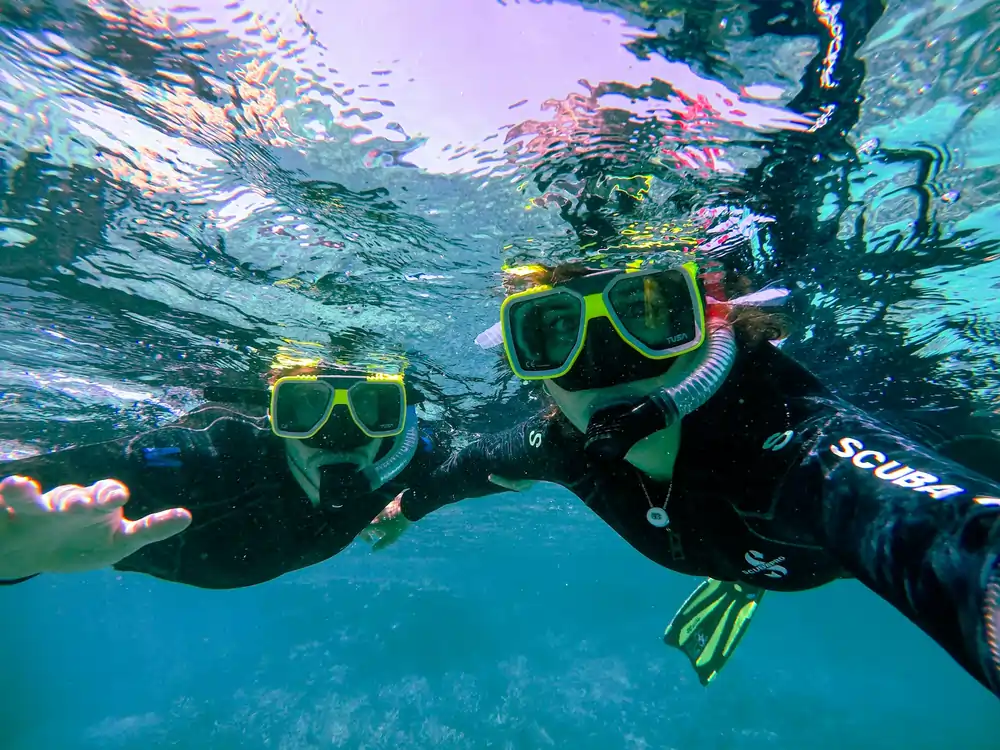
For tourists new to diving, Sri Lanka offers excellent opportunities to learn. Many dive centers along both coasts provide certification courses from various agencies, including PADI, SSI, CMAS, and others. Completing an Open Water certification course while on scuba diving vacations in Sri Lanka combines learning with tropical adventure.
The warm, clear waters and gentle conditions at many sites create ideal learning environments for diving in Sri Lanka. Beginner courses typically include pool or confined water sessions followed by four open water dives at sites like Hikkaduwa’s Coral Gardens or shallow areas around Trincomalee. Instructors conduct courses in multiple languages, accommodating international tourists on their scuba diving vacations.
For certified divers seeking to expand their skills, advanced courses, specialty certifications, and professional-level training are available. Deep diving certifications allow tourists to explore deeper wrecks like the HMS Hermes, while enriched air (nitrox) certifications extend bottom times at popular sites. Photography courses help divers capture the beauty of diving in Sri Lanka, while conservation-focused specialties educate participants about marine ecology and environmental protection.
Planning Your Scuba Diving Vacations in Sri Lanka
Getting There
Sri Lanka is easily accessible from major cities worldwide via Bandaranaike International Airport (CMB) in Colombo. Major airlines, including Emirates, Qatar Airways, Singapore Airlines, Thai Airways, and many others, operate regular flights to Colombo. Once tourists arrive, domestic transportation to diving destinations is straightforward, with options including private transfers, domestic flights to regional airports, and comfortable coach services for those planning extended scuba diving vacations.
Accommodation Options
Tourists planning to dive in Sri Lanka will find accommodation ranging from budget guesthouses to luxury resorts. Many dive resorts offer comprehensive packages that include accommodation, meals, and diving, simplifying the planning process for scuba diving vacations. Beachfront properties in Hikkaduwa, Unawatuna, Mirissa, and Trincomalee put divers steps from dive boats, while boutique hotels in towns like Galle and Batticaloa offer cultural experiences alongside diving access.
For extended scuba diving vacations, tourists might consider combining coastal diving with hill country exploration. Properties in Kandy, Nuwara Eliya, and Ella provide cool climate retreats between diving sessions, allowing visitors to experience Sri Lanka’s diverse landscapes and cultural heritage.
What to Bring
When packing for diving in Sri Lanka, tourists should bring their certification cards, dive computers or logbooks, and any personal equipment they prefer using. While rental equipment is available, many divers prefer their own masks, snorkels, and regulators. A 3mm wetsuit provides adequate thermal protection in Sri Lanka’s warm waters, though some divers opt for dive skins or rash guards instead.
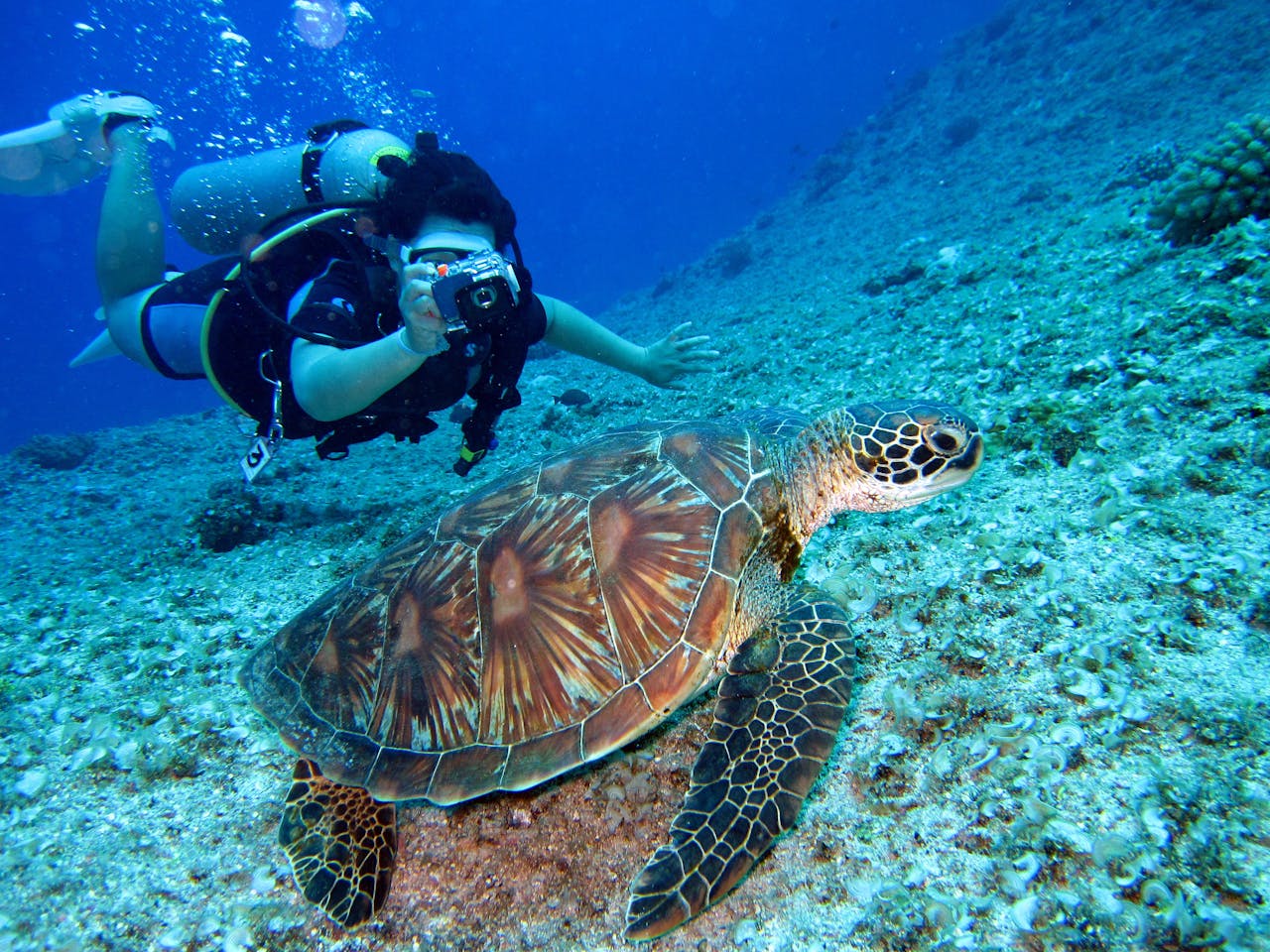
Underwater cameras or action cameras capture memories of diving in Sri Lanka, with many sites offering excellent photography opportunities. Reef-safe sunscreen protects skin without damaging coral reefs, aligning with sustainable tourism practices. Seasickness medication may be useful for longer boat rides, particularly when heading to offshore sites during scuba diving vacations.
Beyond Diving: Complementary Tourist Activities
While diving in Sri Lanka is spectacular, the island offers numerous other attractions that enhance scuba diving vacations. These complementary activities create well-rounded holidays that appeal to both divers and non-diving travel companions.
Cultural and Historical Sites
Sri Lanka’s rich history spanning over 2,500 years is evident in numerous UNESCO World Heritage Sites. The ancient cities of Anuradhapura and Polonnaruwa feature impressive ruins, including massive stupas, intricate stone carvings, and ancient reservoirs that demonstrate sophisticated hydraulic engineering. Sigiriya Rock Fortress, a massive stone monolith with palace ruins at its summit, offers breathtaking views after a challenging climb.
The Temple of the Tooth in Kandy accommodates Buddhism’s most sacred relic and serves as the cultural heart of the island. Daily ceremonies, traditional dance performances, and the annual Esala Perahera festival provide immersive cultural experiences. Tourists on scuba diving vacations often combine coastal diving with a few days exploring these inland treasures.
Wildlife and Nature
Sri Lanka’s terrestrial wildlife rivals its marine diversity. National parks like Yala, Udawalawe, and Minneriya offer safari experiences where tourists can observe elephants, leopards, sloth bears, and hundreds of bird species. Whale watching excursions from Mirissa and Trincomalee provide opportunities to see blue whales, sperm whales, and various dolphin species, complementing underwater experiences when diving in Sri Lanka.
The hill country, with its cooler climate and lush tea plantations, offers hiking, scenic train journeys, and visits to working tea estates. Waterfalls, cloud forests, and colonial-era architecture create dramatically different landscapes from the coastal areas where tourists spend their days diving in Sri Lanka.
Beaches and Relaxation
Between dives, Sri Lanka’s beautiful beaches provide perfect settings for relaxation. Unawatuna’s crescent beach, Mirissa’s golden sands, and Arugam Bay’s surf breaks offer options for swimming, sunbathing, and water sports. Many tourists on scuba diving vacations appreciate the balance between active diving and beach relaxation, allowing bodies to off-gas nitrogen between dive days while enjoying tropical paradise settings.
Culinary Experiences
Sri Lankan cuisine, with its bold spices and coconut-based curries, delights food enthusiasts. Fresh seafood features prominently in coastal areas where diving in Sri Lanka occurs, with daily catches prepared using traditional recipes. Rice and curry meals, hoppers (bowl-shaped pancakes), kottu roti (chopped flatbread with vegetables and meat), and numerous other dishes showcase the island’s culinary diversity. Food tours and cooking classes allow tourists on scuba diving vacations to learn about spices, traditional cooking methods, and regional specialties.
Conservation and Sustainable Tourism
Responsible diving in Sri Lanka includes awareness of conservation issues and commitment to sustainable practices. Coral reefs worldwide face threats from climate change, pollution, and physical damage, making diver awareness crucial for protecting these ecosystems.
Marine Conservation Efforts
Several organizations work to protect marine environments where tourists enjoy diving in Sri Lanka. Marine national parks like Pigeon Island receive legal protection, with regulations governing visitor access and activities. Conservation projects monitor coral health, conduct reef restoration, and work to reduce plastic pollution. Some dive operators participate in reef cleanup activities and citizen science programs, offering tourists on scuba diving vacations opportunities to contribute to conservation efforts.
Responsible Diving Practices
Divers can minimize their environmental impact when diving in Sri Lanka by following established best practices. Maintaining good buoyancy control prevents accidental contact with corals and other marine life. Avoiding touching, collecting, or feeding marine animals preserves natural behaviors and ecosystem balance. Using reef-safe sunscreen prevents chemical pollution that damages coral polyps.
Choosing operators committed to sustainable diving in Sri Lanka supports businesses that prioritize environmental protection. These operators maintain proper mooring systems to avoid anchor damage, limit group sizes to reduce crowding, and educate divers about conservation. By making informed choices, tourists on scuba diving vacations contribute to preserving Sri Lanka’s underwater treasures for future generations.
Practical Information for Tourists
Visa Requirements
Most nationalities can obtain an electronic travel authorization (ETA) for Sri Lanka online before traveling. The process is straightforward, with approvals typically issued within 24-48 hours. Some nationalities receive free or reduced-cost visas, while others pay standard fees. Checking current requirements before planning scuba diving vacations ensures a smooth entry.
Currency and Costs
The Sri Lankan Rupee (LKR) is the local currency, though US dollars and euros are widely accepted at tourist establishments. ATMs are available in coastal towns where most diving in Sri Lanka occurs. Credit cards are accepted at established dive centers, hotels, and restaurants, though cash remains useful for small purchases and local transactions.
Diving costs in Sri Lanka are competitive compared to other tropical destinations. Two-tank boat dives typically range from $60-100 USD depending on location and operator, while full-day diving packages including equipment rental cost $80-120 USD. Certification courses range from $300-450 USD for Open Water to $500-700 USD for Advanced courses. Accommodation varies from $20 USD per night for budget guesthouses to $300+ USD for luxury resorts, allowing tourists to customize their scuba diving vacations according to budget.
Health and Safety
No special vaccinations are required for visiting Sri Lanka, though routine immunizations should be current. Bottled water is recommended for drinking, though tap water in hotels is generally safe for brushing teeth. Dive insurance with emergency evacuation coverage is strongly recommended when diving in Sri Lanka, as the nearest recompression chambers are located in Colombo.
Standard diving safety practices apply, including proper pre-dive planning, buddy system adherence, and conservative depth and time limits. Most accidents occur due to poor buoyancy control, rapid ascents, or exceeding certification limits. Diving with reputable operators who prioritize safety procedures ensures enjoyable, risk-minimized scuba diving vacations.
Communication
English is widely spoken in tourist areas and by dive professionals, facilitating easy communication when diving in Sri Lanka. Sri Lankan hospitality is renowned, with locals genuinely welcoming tourists and happy to share their culture. Learning a few basic Sinhala or Tamil phrases enhances interactions and demonstrates respect for local culture.
Sri Lanka: Where Your Next Dive Story Starts
Diving in Sri Lanka offers tourists an exceptional combination of underwater beauty, cultural richness, and tropical paradise settings. The variety of dive sites ensures that diving in Sri Lanka appeals to all interests and skill levels. Beginners discover the underwater world in calm, shallow sites with patient instructors, while experienced divers challenge themselves with deep wrecks and strong current sites. Underwater photographers find endless subjects from tiny nudibranchs to massive whale sharks, while wreck enthusiasts explore vessels spanning centuries of maritime history.
Beyond the diving, Sri Lanka’s cultural heritage, wildlife, beaches, and cuisine create comprehensive vacation experiences. Tourists can combine diving in Sri Lanka with temple visits, safari adventures, hill country exploration, and culinary discoveries, ensuring that every day brings new experiences. The warmth and hospitality of Sri Lankan people enhance these experiences, creating memories that extend far beyond the underwater realm.
For those considering their next scuba diving vacations, diving in Sri Lanka presents compelling advantages: year-round opportunities, exceptional value, diverse marine life, and a well-developed tourism infrastructure that welcomes visitors. Start planning your scuba diving vacation today and discover why diving in Sri Lanka has captured the hearts of underwater enthusiasts worldwide. The warm waters, vibrant marine life, and unforgettable experiences await your arrival in this tropical paradise.