



The Tea Plantation Experience
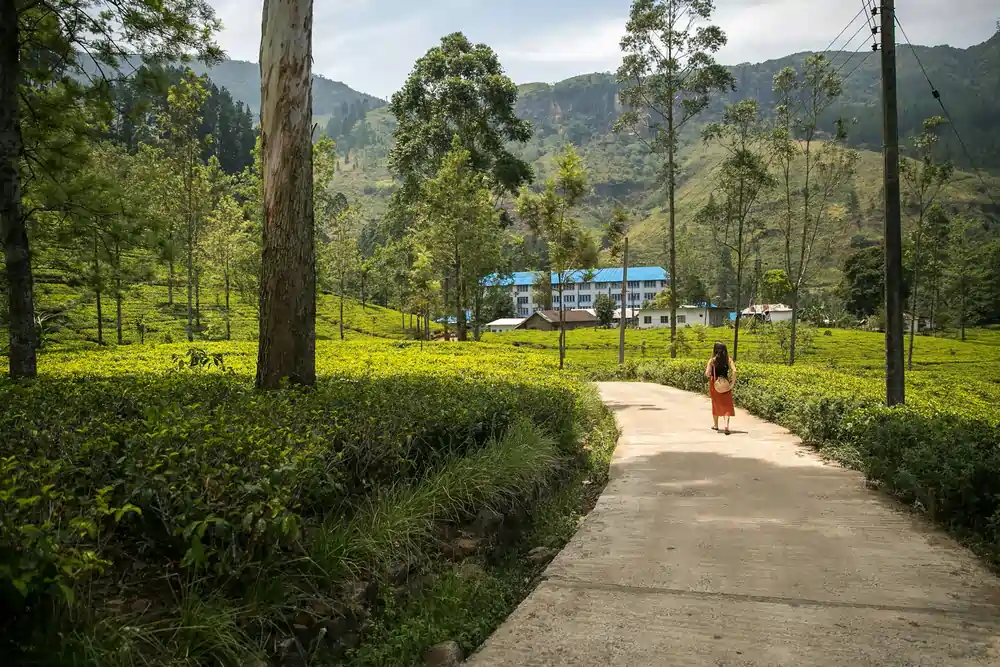
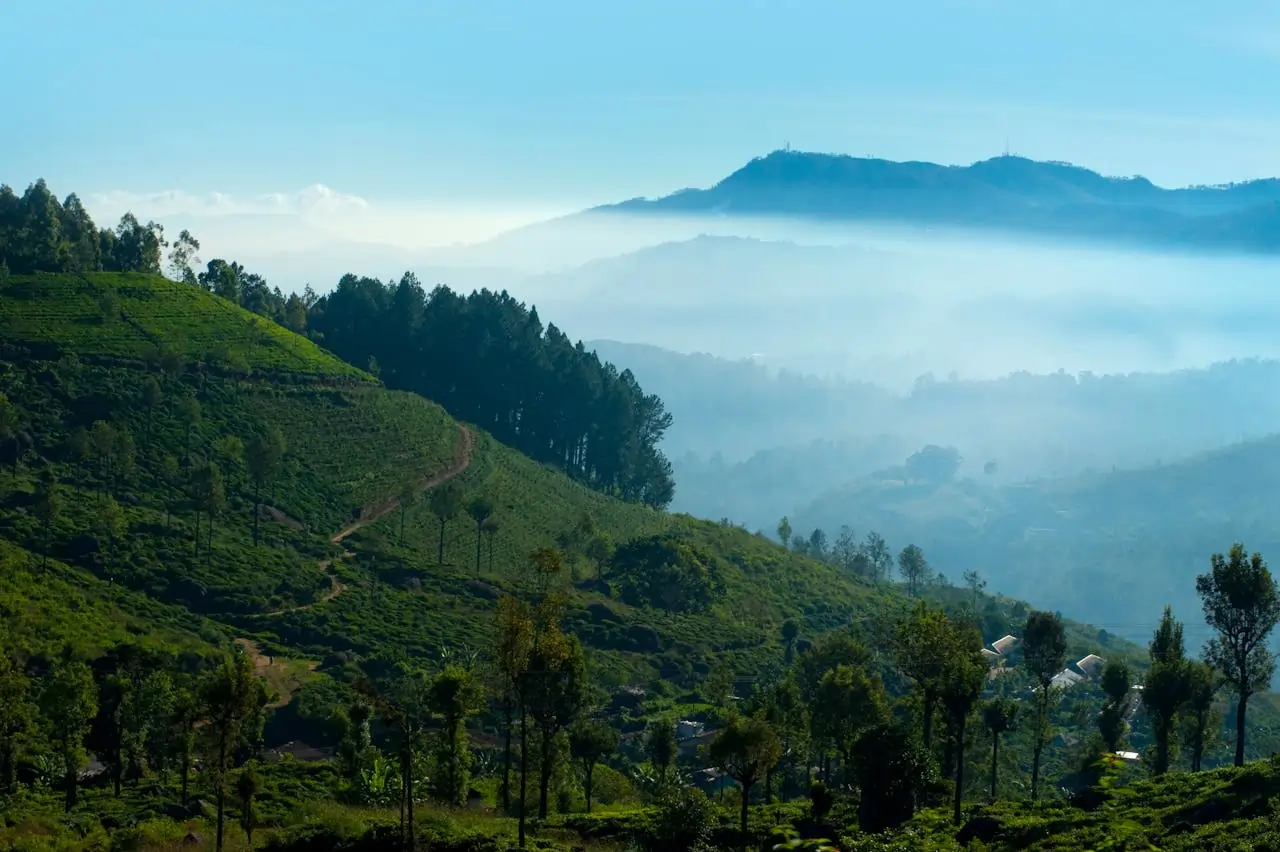
No visit to Nuwara Eliya would be complete without engaging in the region’s legendary tea culture. The rolling hills are carpeted with brilliant green tea plantations, creating a mesmerizing patchwork landscape that has become synonymous with Sri Lankan Ceylon tea.
Start your tea journey with a visit to one of the many tea factories that dot the hillsides. The Pedro Tea Estate and the Blue Field Tea Gardens are among the most popular, offering complete tours that take you through every stage of tea production. You’ll witness the exact process of withering, rolling, oxidizing, and drying that transforms fresh tea leaves into the aromatic beverage enjoyed worldwide.
During these tours, knowledgeable guides explain the differences between various grades of tea, from the finest Orange Pekoe to the more robust broken leaf varieties. The highlight of any tea factory visit is the tasting session, where you can sample freshly brewed teas while overlooking the very plantations where the leaves were picked. Many estates also have shops where you can purchase premium teas at factory prices.
For a more hands-on experience, some plantations offer the opportunity to join the tea pluckers in the fields. Dressed in traditional attire with a basket strapped to your back, you can learn the actual art of plucking, selecting only the two leaves and a bud that produce the highest quality tea.
Victoria Park and Gregory Lake
At the heart of Nuwara Eliya lies Victoria Park, a well-maintained garden established in 1897 to commemorate Queen Victoria’s Diamond Jubilee. This beautifully landscaped park showcases a stunning collection of flowering plants, including numerous species that thrive in the cooler climate. During the spring months, particularly around April, the park erupts in a spectacular display of color as various flowers bloom simultaneously.
The park is particularly famous for its impressive collection of roses, rhododendrons, and other temperate flowering plants that cannot survive in Sri Lanka’s lowland regions. Birdwatchers will find Victoria Park especially rewarding, as it attracts numerous endemic and migratory species, including the Kashmir flycatcher, Indian blue robin, and various species of warblers.
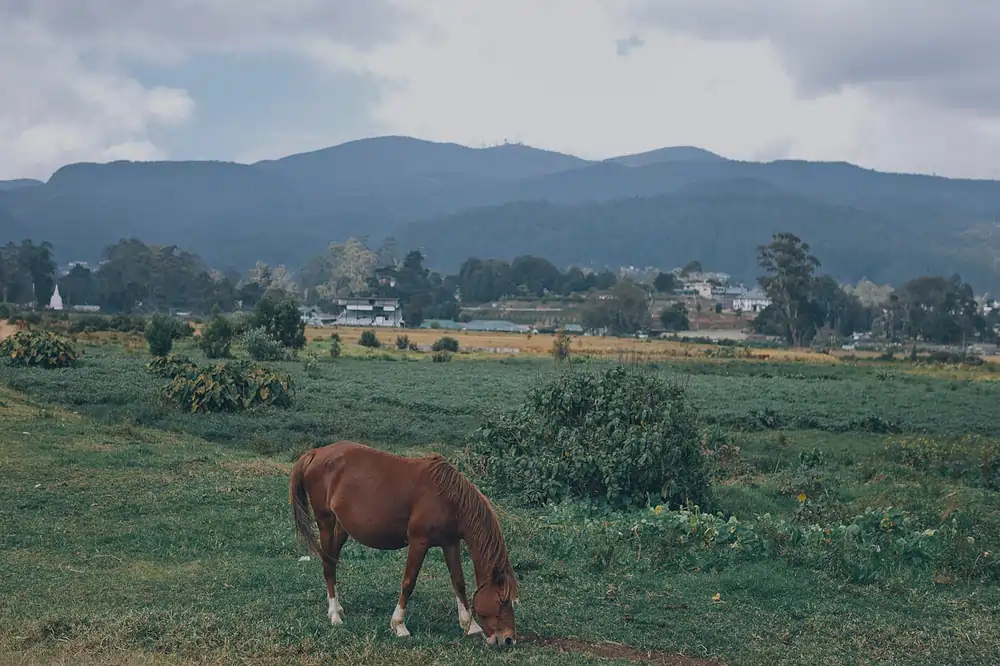
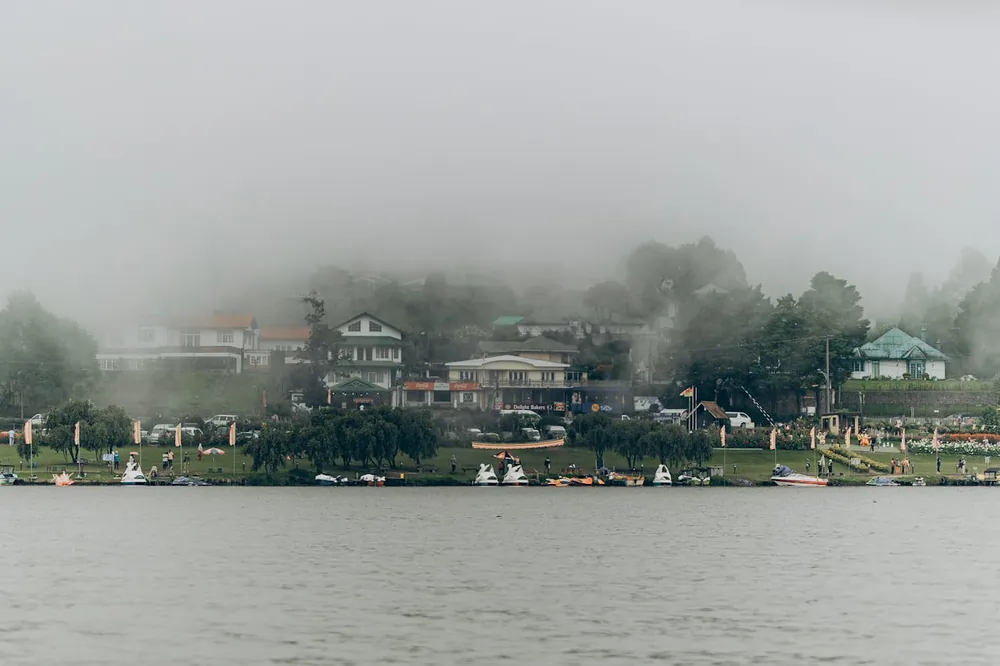
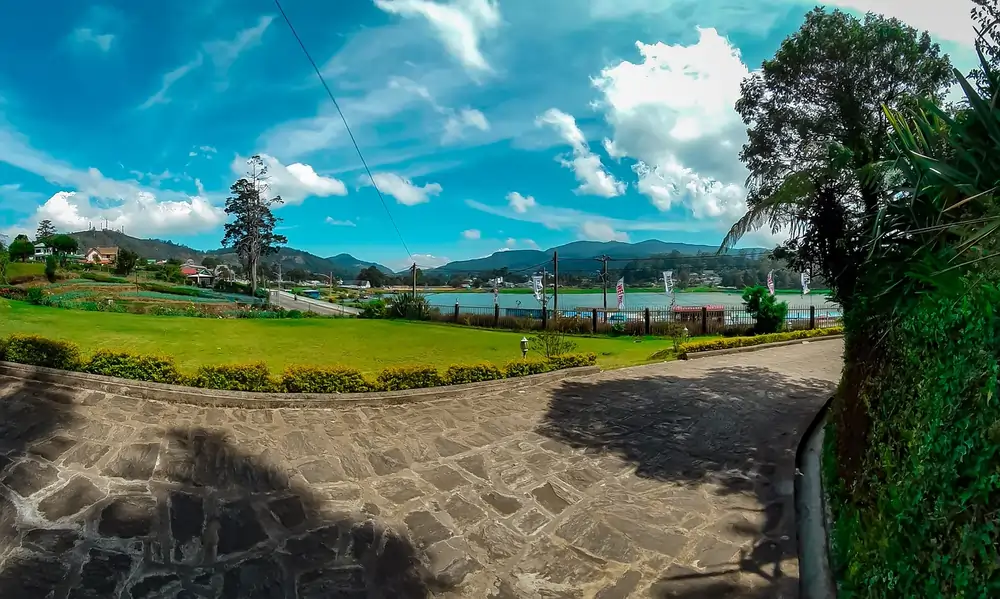
Just a short walk from Victoria Park, Gregory Lake offers a completely different but equally appealing experience. This artificial lake, created during the British colonial period by Governor Sir William Gregory, has become one of Nuwara Eliya’s most popular recreational spots. The lake offers various water activities, including paddle boats, swan boats, and jet skiing. The lakeside also features pony rides and cycling opportunities, making it an excellent destination for families.
Horton Plains National Park and World’s End
Approximately 32 kilometers from Nuwara Eliya, Horton Plains National Park offers one of Sri Lanka’s most spectacular natural experiences. This protected area encloses a unique montane grassland ecosystem found nowhere else on the island, creating an otherworldly landscape of rolling plains, cloud forests, and dramatic cliffs.
The park’s most famous feature is World’s End, a sheer cliff that drops nearly 900 meters straight down, offering breathtaking views across the southern lowlands and, on clear days, all the way to the Indian Ocean. The journey to World’s End takes you along a well-maintained circular trail of approximately nine kilometers, which typically takes three to four hours to complete. The trail also passes Lesser World’s End and Baker’s Falls, a beautiful waterfall named after the British explorer Sir Samuel Baker.
Horton Plains is home to numerous endemic species, making it a paradise for wildlife enthusiasts. The sambar deer, the largest deer species in Sri Lanka, can often be spotted grazing in the open grasslands. Birdwatchers should keep their eyes peeled for the Sri Lankan whistling thrush, yellow-eared bulbul, and the rare dull-blue flycatcher.
For the best experience, arrive at the park entrance early in the morning, preferably before 6 AM. The early hours not only help you avoid crowds but also provide the clearest views from World’s End before the afternoon mists roll in. Note that the park strictly enforces entry times, with the last entry typically at 10 AM.
Moon Plains
While Horton Plains attracts most of the attention, Moon Plains offers an equally magical but far less crowded alternative. Located about 12 kilometers from Nuwara Eliya town, this pristine grassland gets its name from its moon-like landscape, characterized by vast expanses of patana grasslands that create an almost extraterrestrial atmosphere, especially when morning mists roll across the plains.
Moon Plains is a protected area managed by the Sri Lankan Army. You can book a jeep from the base to reach the plains. The area is perfect for those seeking solitude and unspoiled natural beauty away from the more popular tourist sites. The plains offer spectacular 360-degree panoramic views of the surrounding mountain ranges.
On exceptionally clear days, you can see Adam’s Peak in the distance. The landscape changes dramatically throughout the day. Wildlife encounters at Moon Plains can be remarkable. Sambar deer roam freely across the grasslands, and you might spot endemic bird species, including the Sri Lankan bush warbler. The absence of large crowds means animals are less disturbed and more likely to be observed in their natural behavior.
Ambewela
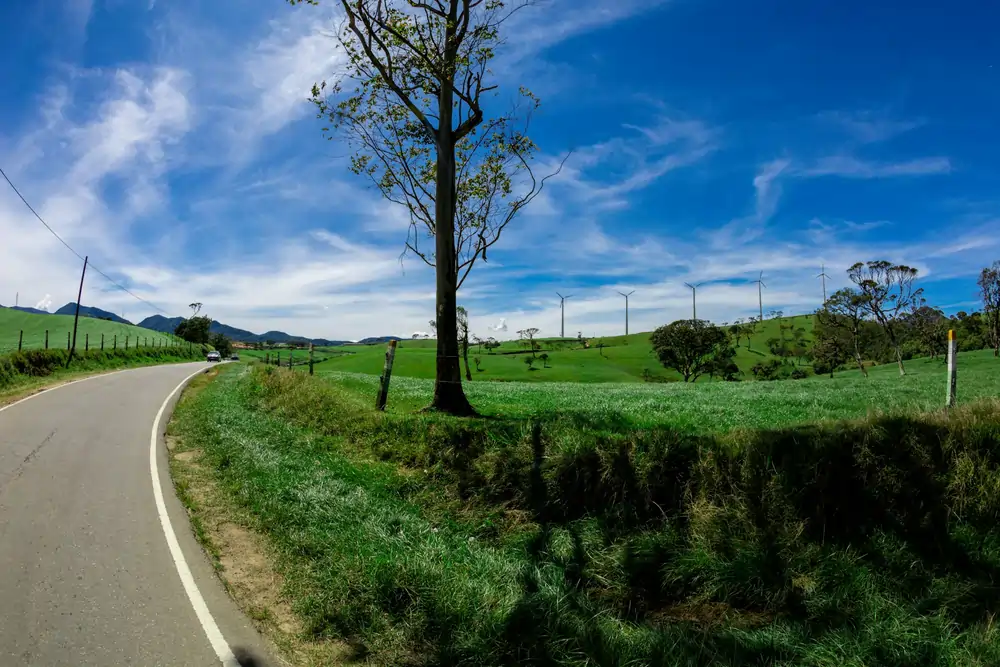
Journey about 30 kilometers from Nuwara Eliya toward Horton Plains, and you’ll discover Ambewela, a region that feels quite different from anywhere else in Sri Lanka. This area, sitting at over 1,800 meters elevation, represents vast open grasslands that resemble European Alpine meadows or New Zealand’s countryside.
Ambewela is home to Sri Lanka’s largest dairy farm, the Ambewela Farm, which was established with New Zealand assistance in the 1970s. The farm sprawls across hundreds of acres of lush pastureland where herds of dairy cattle graze peacefully against the backdrop of misty mountains. The sight of these well-maintained dairy cows grazing on emerald green pastures creates an agricultural landscape unlike anything else in Sri Lanka.
Visitors can tour the dairy farm to learn about modern dairy farming practices. You’ll see the milking facilities and understand how the cool climate of the highlands makes commercial dairy farming viable in Sri Lanka. The farm produces fresh milk, yogurt, and other dairy products, and you can purchase fresh dairy products directly from the farm at very reasonable prices.
The drive to Ambewela is an experience in itself. The road winds through some of the most scenic landscapes in Sri Lanka, passing endless open grasslands. Early morning visits are particularly rewarding when mist hovers over the grasslands and the first rays of sunlight illuminate the mountains.
Lover’s Leap Waterfall
Among the many waterfalls in the Nuwara Eliya region, Lover’s Leap holds a special place due to its romantic yet tragic legend. Located approximately 5 kilometers from Nuwara Eliya town on the way to Badulla, this waterfall tumbles down from a height of about 30 meters, creating a spectacular sight, especially during the rainy season.
The waterfall’s name comes from a heartrending tale of forbidden love. According to local legend, a young prince fell deeply in love with a commoner, a relationship that was strictly forbidden by societal norms of the time. Unable to be together and unwilling to be apart, the star-crossed lovers chose to leap together from the top of the waterfall, preferring death to a life without each other.
The waterfall is easily accessible from the main road, with a small parking area and a short walk leading to viewing points. The site has been developed with safety railings and platforms that allow visitors to view the falls from multiple angles. The surrounding area is lush with vegetation, and the constant spray from the waterfall creates a perpetually misty environment where ferns and other moisture-loving plants thrive.
The best time to visit Lover’s Leap is during or shortly after the rainy season, when the waterfall is at its most powerful. However, even during drier periods, the falls maintain a steady flow and remain photogenic. Local vendors near the waterfall sell fresh produce, including strawberries and vegetables grown in the surrounding areas.
Eagles’ Viewpoint
Eagles’ Viewpoint, also known as Shanthipura Viewpoint, stands as Sri Lanka’s highest village and offers one of the most breathtaking panoramic experiences. This remarkable destination is currently being developed by the Sri Lanka Air Force as a premier tourist attraction, transforming what was once a quiet highland settlement into a must-visit location that combines breathtaking natural beauty with unique cultural heritage.
The viewpoint delivers on its promise with a mesmerizing 360-degree vista that encompasses some of the most iconic landmarks in the region. From this elevated vantage point, you can see Gregory Lake sparkling in the distance, the imposing Hakgala Mountain rising majestically, and on exceptionally clear days, even the sacred Adam’s Peak far to the west. The panoramic view stretches across lush tea plantations that carpet the hillsides in brilliant green, creating a patchwork landscape that displays the beauty of Sri Lanka’s hill country.
Visitors to Eagles’ Viewpoint can experience more than just stunning views. The Sri Lanka Air Force’s comprehensive development plan aims to provide state-of-the-art facilities while maintaining sustainable practices and respecting the local community. This means you’ll find well-maintained viewing platforms, visitor amenities, and infrastructure that make the experience comfortable without detracting from the natural environment.
Strawberry Farms
Nuwara Eliya’s cool climate creates perfect conditions for growing strawberries, a crop that cannot thrive in Sri Lanka’s tropical lowlands. The area has become familiar with strawberry cultivation, and visiting a strawberry farm offers a delightful experience.
Numerous strawberry farms dot the landscape around Nuwara Eliya, with many offering pick-your-own experiences. These farms welcome visitors to walk through their plantations, learn about strawberry cultivation in the highlands, and harvest their own berries. The experience of picking fresh strawberries while surrounded by mountain views is particularly popular with families and children.
The farms typically charge a small entrance fee, and you pay for the strawberries you pick by weight. The berries are remarkably fresh and flavorful, often far superior to those available in lowland markets since they’re picked at peak ripeness. Many farms also sell other produce, including vegetables, flowers, and honey produced in the highlands.
Beyond the picking experience, many strawberry farms have developed additional attractions to enhance the visit. Farm shops sell strawberry-based products, including jams, jellies, syrups, and strawberries. Some farms have cafes or restaurants where you can enjoy fresh strawberries served various ways, with cream, in milkshakes, as part of desserts, or incorporated into meals.
Several famous strawberry farms worth visiting include the Simply Strawberries by Jagro, which offers beautiful landscaped grounds alongside their strawberry fields. The best time to visit is typically between January and April when strawberries are in peak season, though many farms produce year-round thanks to the consistent cool climate.
Hakgala Botanical Gardens
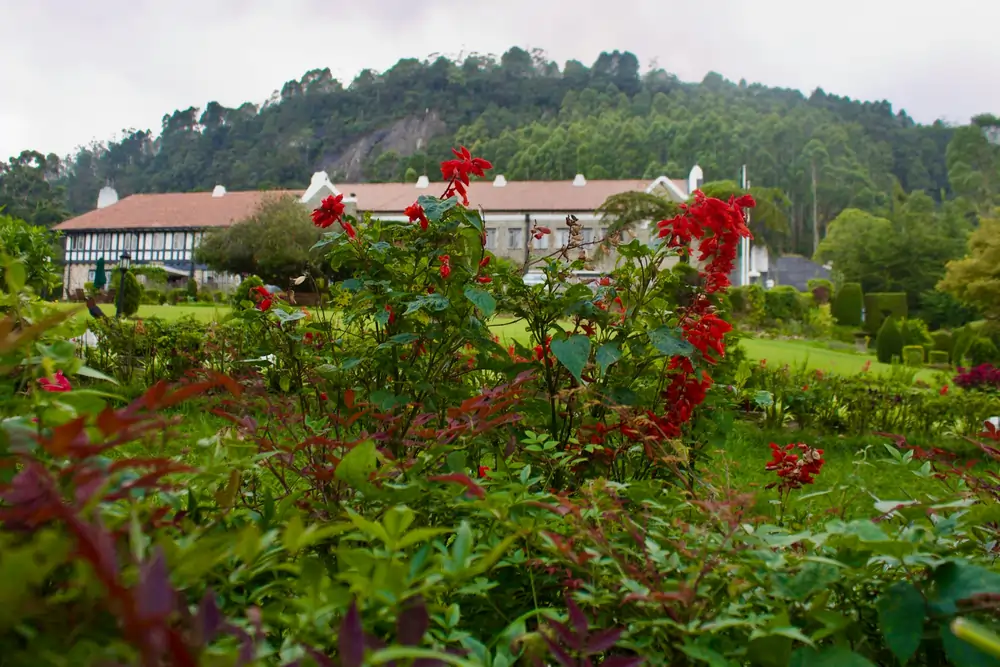
Located about 10 kilometers from Nuwara Eliya town, the Hakgala Botanical Gardens represent one of the finest botanical collections in South Asia. Established in 1861, initially as an experimental garden for growing cinchona, the gardens have evolved into a spectacular showcase of temperate and subtropical flora spread across 27 hectares on the slopes of Mount Hakgala.
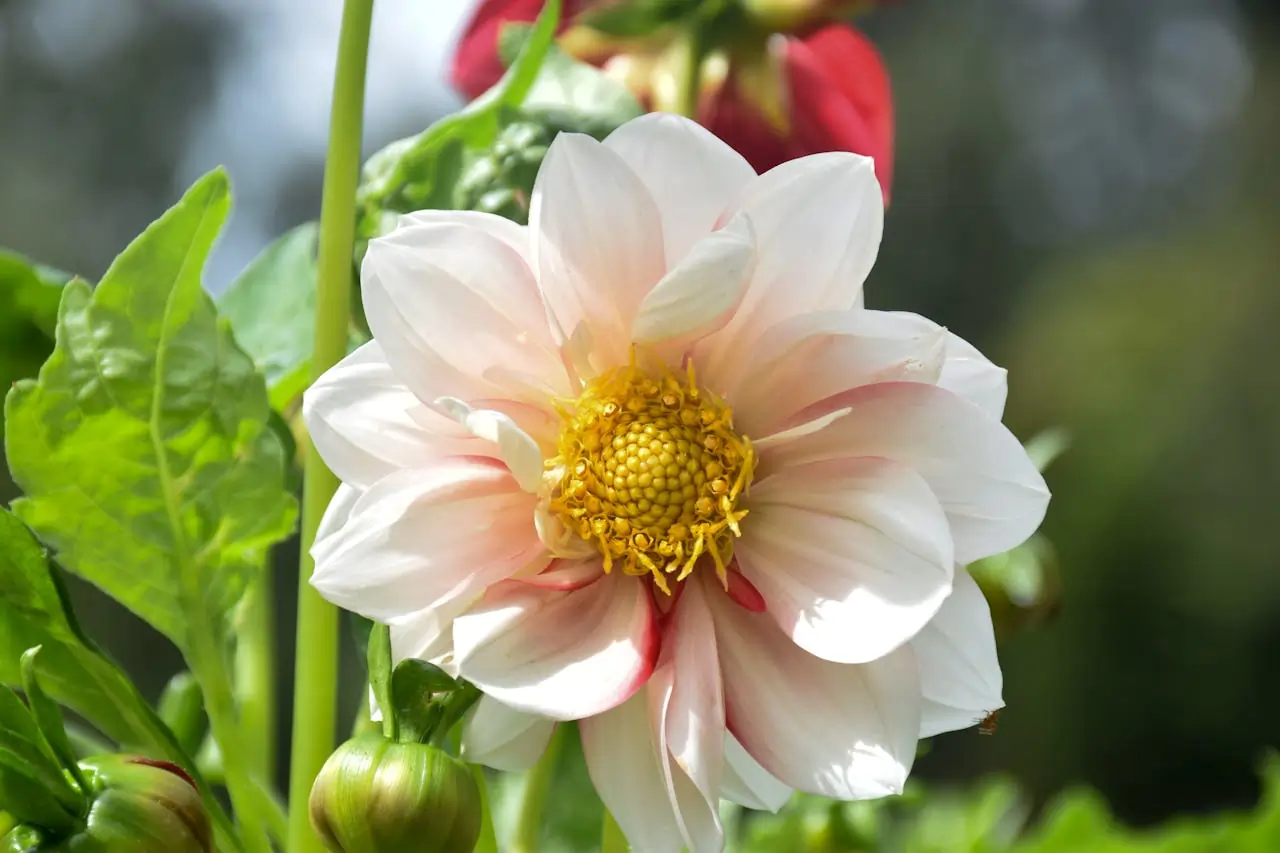
The gardens are arranged in several distinct sections, each offering unique horticultural displays. The rose garden is particularly impressive, featuring hundreds of varieties from around the world that flourish in the cool mountain climate. The fernery houses an extensive collection of ferns and other shade-loving plants, while the Japanese garden provides a serene space for contemplation with its carefully arranged stones, water features, and manicured shrubs. The gardens also serve as an important conservation center, maintaining collections of endangered endemic species and conducting research on montane ecosystems.
Nuwara Eliya Post Office
The Nuwara Eliya Post Office stands as one of the most photographed buildings in town, and for good reason. Painted in distinctive red brick with white trim, this charming colonial-era structure looks as though it was lifted straight from a quaint English village and transported to the Sri Lankan highlands.
Built during the British colonial period, the post office perfectly embodies the “Little England” character that defines Nuwara Eliya. Its architecture features classic Victorian design elements, including arched windows, decorative eaves, and a traditional pitched roof that helps shed the frequent highland rains. The building’s bright red exterior makes it instantly recognizable and provides a striking contrast against the lush green mountains that serve as its backdrop.
What makes the Nuwara Eliya Post Office particularly special is that it remains a fully functioning postal facility, not just a historical monument. Residents still come here to mail letters and packages, and maintain the traditions that have continued for over a century. This living history makes visiting the post office a genuine cultural experience rather than just a photo opportunity.
Many travelers make it a point to send postcards from this iconic location. There’s something wonderfully nostalgic about posting a letter from such a beautifully preserved colonial building, and the postmark serves as a unique memento of your visit to Nuwara Eliya. The friendly staff inside can help you purchase stamps featuring Sri Lankan wildlife, landmarks, and cultural themes, which make excellent collectibles or additions to your postcards.
The post office is conveniently located in the town center, making it easy to include in a walking tour of Nuwara Eliya’s colonial architecture. It sits near other heritage buildings, shops, and restaurants, so you can easily spend a pleasant hour or two exploring the area on foot. The best time to photograph the building is during the late morning or early afternoon when natural light illuminates the red facade, though the post office looks equally charming on misty days when clouds drift past, adding to its storybook appearance.
Best Time to Visit and Other Useful Information
Nuwara Eliya’s climate differs significantly from the rest of Sri Lanka, with temperatures ranging from 10°C to 20°C year-round. The coolest months are December through February, when nighttime temperatures can drop to single digits, so pack warm clothing, including sweaters and jackets. It is something many visitors forget when traveling to tropical Sri Lanka.
The town experiences two rainy seasons: the southwest monsoon from May to August and the northeast monsoon from October to January. However, rain in Nuwara Eliya tends to be less intense than in the lowlands and often comes in short bursts followed by clear skies. The driest months are January through March, making this period ideal for hiking and outdoor activities.
April is a special time to visit, as it overlaps with the Sinhala and Tamil New Year celebrations. The town becomes crowded with domestic tourists, prices rise, and accommodations need to be booked well in advance, but the festive atmosphere and cultural activities make it a memorable experience.
Getting to Nuwara Eliya is part of the adventure. The train journey from Kandy or Ella ranks among the most scenic rail routes in the world, winding through tea plantations, past waterfalls, and over dramatic views. Book tickets in advance, especially for the observation class or first class, and try to secure a window seat for the best views.
Nuwara Eliya offers accommodations ranging from budget guesthouses to luxury colonial hotels, with options to suit every preference and budget. Staying in a colonial-era hotel provides the most authentic experience, while guesthouses in the surrounding tea estates offer peaceful retreats with stunning views and personal service.
Ready to Discover Nuwara Eliya?
Nuwara Eliya stands as a testament to Sri Lanka’s incredible diversity, offering a mountain experience that feels worlds apart from the island’s tropical beaches and ancient cultural sites. This cool highland retreat proves that Sri Lanka is far more than palm trees and ocean waves. It’s also a destination where mist-covered peaks, emerald tea plantations, and colonial charm combine to create something truly magical.
From the moment you arrive in this hillside, you’ll understand why Nuwara Eliya has captivated travelers for generations. Whether you’re standing at the edge of World’s End watching clouds drift through the valleys below, picking fresh strawberries with mountain views stretching to the horizon, or sipping freshly brewed Ceylon tea at a colonial-era estate, every experience here connects you with the unique character of Sri Lanka’s highlands.
As you plan your Sri Lankan journey, remember that Nuwara Eliya rewards those who take their time. This isn’t a destination to rush through in a day. Stay for at least two or three nights to truly appreciate the changing moods of the weather.
So pack your warmest clothes, bring your sense of adventure, and prepare to discover a side of Sri Lanka that surprises and delights even the most seasoned travelers. Nuwara Eliya isn’t just a place to visit, it’s an experience to savor, a breath of fresh mountain air in your Sri Lankan adventure, and a reminder that sometimes the most memorable destinations are those that dare to be different.