



Why Choose a Safari Adventure in Sri Lanka
A safari adventure in this amazing country offers something truly unique compared to traditional African safaris. Sri Lanka’s compact size means you can experience multiple ecosystems within a single trip, from dry zone forests to montane cloud forests, and from coastal wetlands to grassland plains. The country is home to 26 national parks and over 100 conservation areas, each offering different wildlife viewing opportunities.
What makes a safari in Sri Lanka particularly special is the incredible density of wildlife. Yala National Park, for example, has one of the highest leopard densities in the world, giving visitors an excellent chance of spotting these magnificent cats. Meanwhile, parks like Minneriya and Kaudulla host seasonal elephant gatherings that can number in the hundreds, creating spectacles that few places on Earth can match.
The safari experience in Sri Lanka also differs from African safaris in terms of accessibility and affordability. Most parks are located within a few hours’ drive from major cities or tourist hubs, making it easy to incorporate wildlife viewing into a broader cultural tour. The cost of safari experiences tends to be more budget-friendly than comparable African adventures, allowing travelers to enjoy multiple drives without breaking the bank.
Beyond the wildlife, every safari in Sri Lanka is enriched by the country’s deep cultural heritage. Ancient Buddhist temples dot the landscape, and many national parks are situated near archaeological sites that date back thousands of years. This fusion of nature and culture creates a safari that engages not just your sense of wonder at the natural world, but also your curiosity about human history and spirituality.
The Best National Parks for Your Safari Adventure
Yala National Park
Yala National Park stands as Sri Lanka’s most visited and second-largest national park, covering nearly 1,000 square kilometers of diverse ecosystems. This park is the crown jewel for anyone seeking an authentic safari in Sri Lanka. The park’s Block 1, the most accessible section, combines scrubland, forests, and grasslands with rocky outcrops that leopards favor as lookout points.
The real attraction of Yala is its leopard population. With an estimated density of one leopard per square kilometer in certain areas, this park offers perhaps the best leopard viewing opportunities anywhere in the world. During a safari through Yala, patient visitors often spot these solitary predators lying on rocks, stalking prey through the undergrowth, or marking their territory.
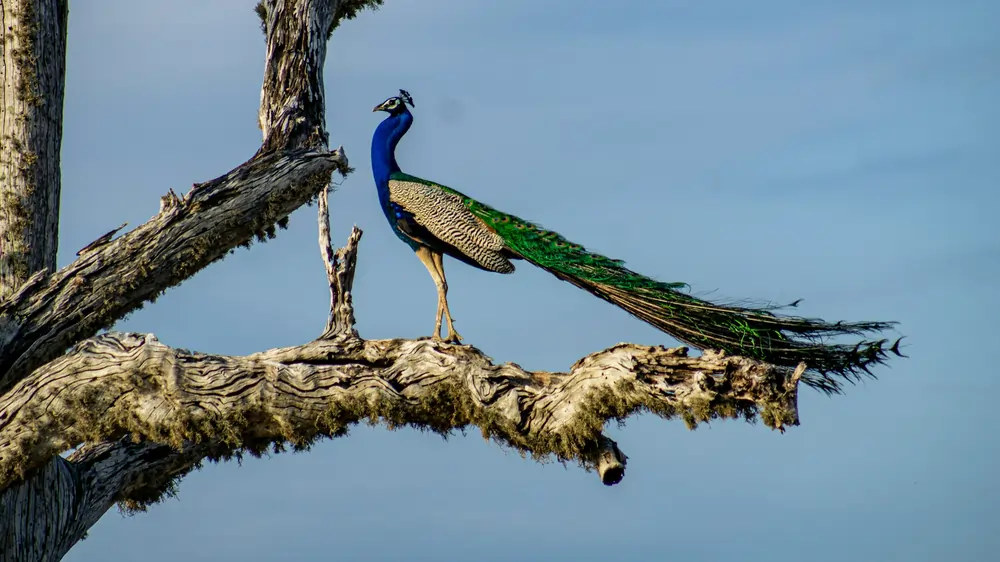
But leopards aren’t the only attraction. Yala hosts healthy populations of elephants, sloth bears, crocodiles, and an impressive array of bird species. The park’s location along the coast means that your safari adventure might include sightings of peacocks striding near ancient Buddhist monasteries or water buffalo cooling themselves in lagoons.
Udawalawe National Park
For elephant lovers, Udawalawe National Park offers the ideal safari experience. Created in 1972 as a sanctuary for wildlife displaced by the construction of the Udawalawe Reservoir, this park has become one of the best places in Asia to observe elephants in their natural habitat.
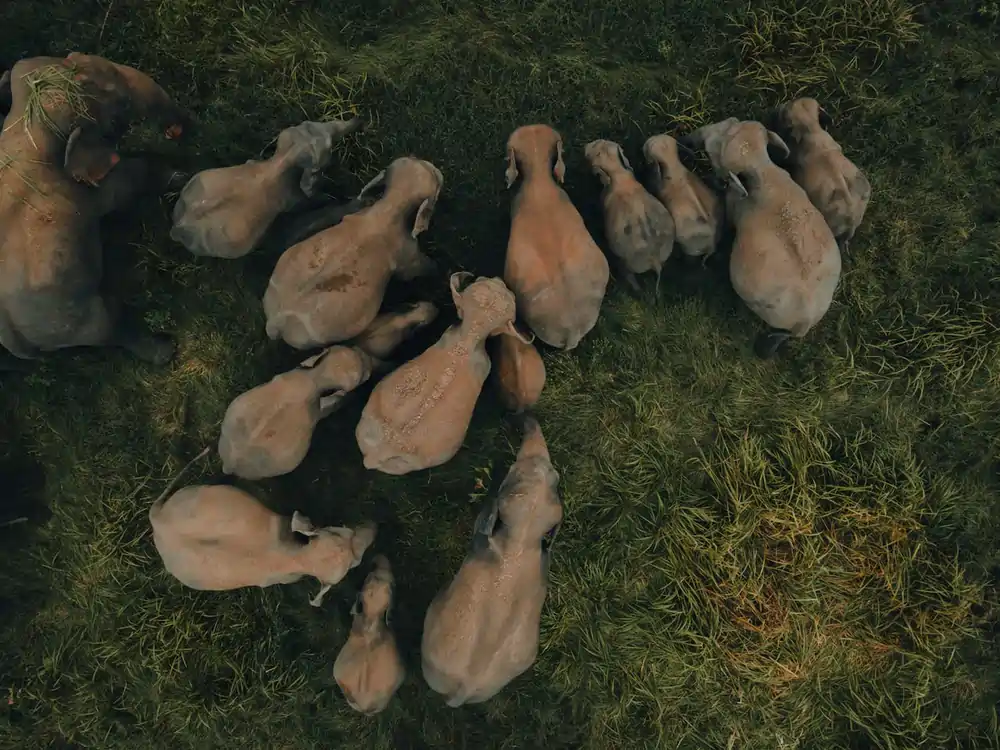
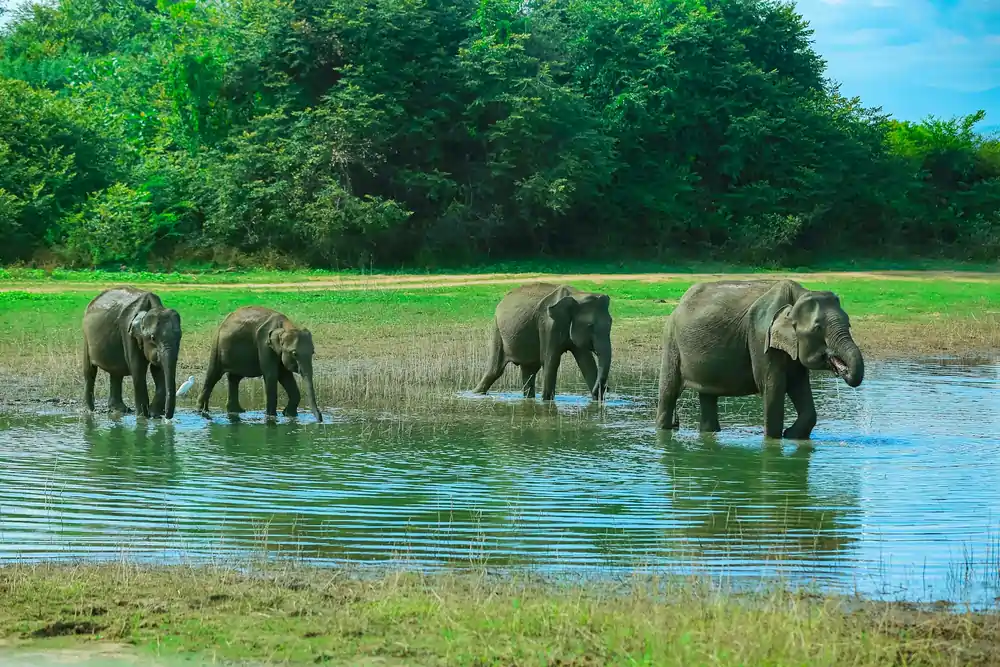
Unlike some parks where elephants disappear into thick forest, Udawalawe’s open grasslands provide excellent visibility. During a typical safari adventure here, it’s not uncommon to see herds of 50 or more elephants, including adorable calves playing under the watchful eyes of their mothers. The park is home to an estimated 500 to 600 elephants, and sightings are virtually guaranteed.
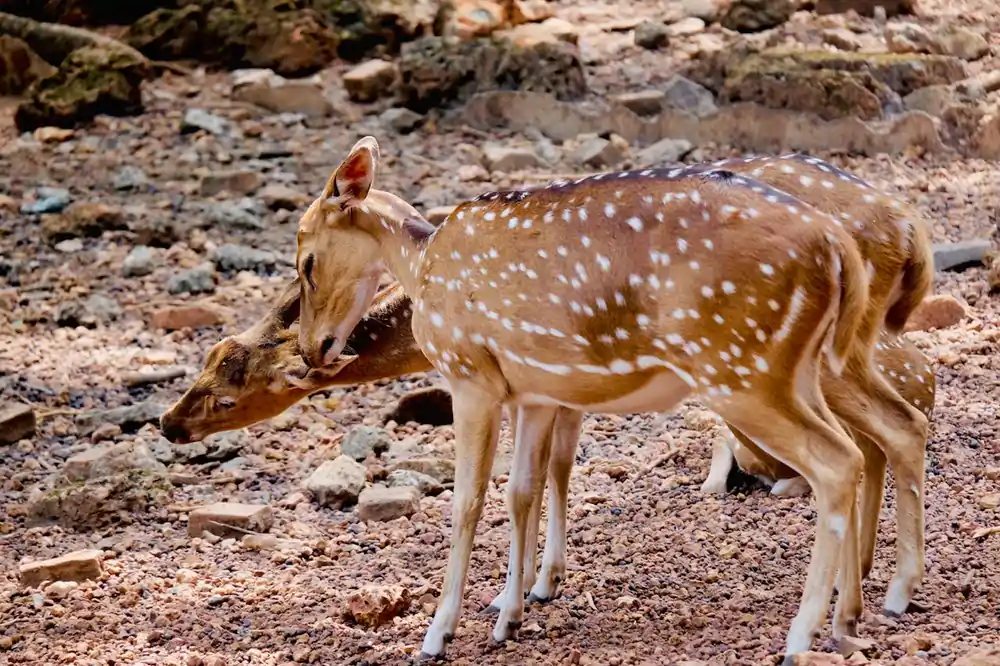
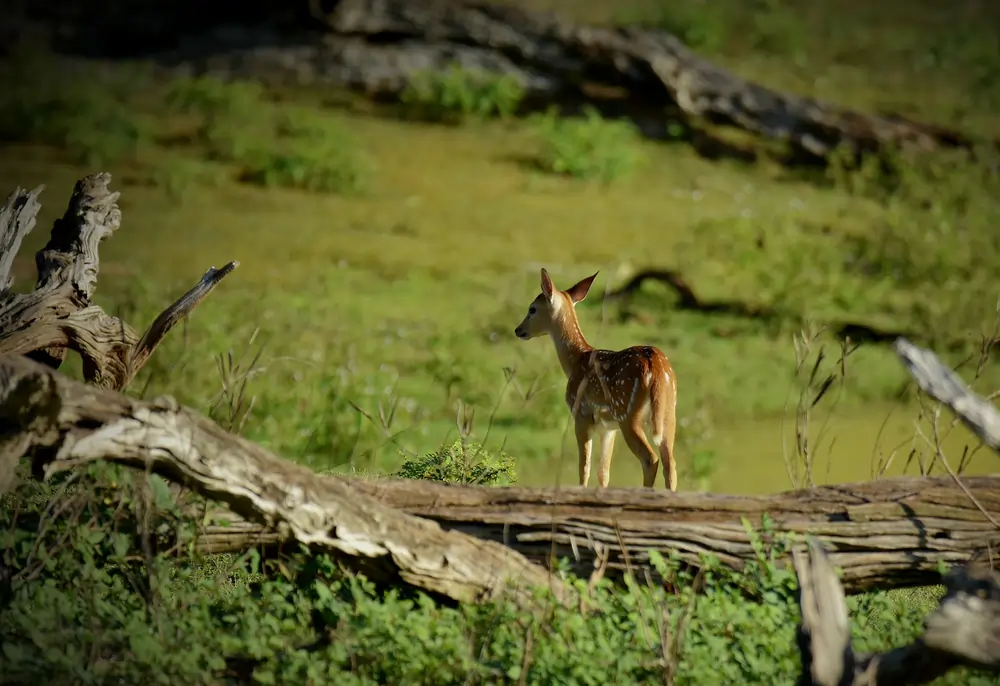
The safari experience at Udawalawe extends beyond elephants. The park supports populations of water buffalo, sambar deer, spotted deer, and numerous bird species. The reservoir itself attracts waterbirds, making this safari particularly rewarding for birdwatchers. The nearby Elephant Transit Home, where orphaned elephant calves are rehabilitated, adds another dimension to your visit.
Wilpattu National Park
Wilpattu, Sri Lanka’s largest national park, offers a safari that feels genuinely off the beaten path. The park’s name translates to “Land of Lakes,” referring to the nearly 60 natural lakes, or “villus,” that dot the landscape. These water bodies create a unique ecosystem and serve as gathering points for wildlife, especially during the dry season.
A safari adventure in Wilpattu provides opportunities to spot leopards, elephants, and sloth bears. The park’s dense forest cover and lower visitor numbers compared to Yala create a more personal, exclusive safari experience. The challenge of spotting wildlife in this denser environment makes each sighting feel like a genuine achievement.
Minneriya and Kaudulla National Parks
Between May and October each year, one of the world’s most spectacular wildlife events unfolds in the parks of Minneriya and Kaudulla. Known as “The Gathering,” this wonder sees hundreds of elephants assembling on the ancient Minneriya reservoir as surrounding water sources dry up. This safari adventure offers unparalleled opportunities to observe elephant behavior, from feeding and bathing to complex social interactions.
The sight of 200 to 300 elephants gathering in one place represents one of the largest wild elephant flocks on the planet. A safari during ‘The Gathering’ provides front-row seats to this natural wonder, with elephants of all ages creating scenes that photographers and nature lovers dream about.
What Wildlife to Expect on Your Safari Adventure
The Sri Lankan Elephant
The Sri Lankan elephant, a subspecies of the Asian elephant, stands as the largest land animal on the island and serves as an icon of Sri Lankan wildlife. During any safari adventure in Sri Lanka, elephants are often the most eagerly anticipated sighting. These gentle giants play a crucial role in maintaining the ecosystem.
Male Sri Lankan elephants are notably larger than their female partners, and unlike African elephants, only some males develop tusks. During your safari, you’ll observe engaging behaviors, including dust bathing, which helps protect their skin from the sun and insects, and trunk displays that communicate everything from greeting to aggression.
The Sri Lankan Leopard
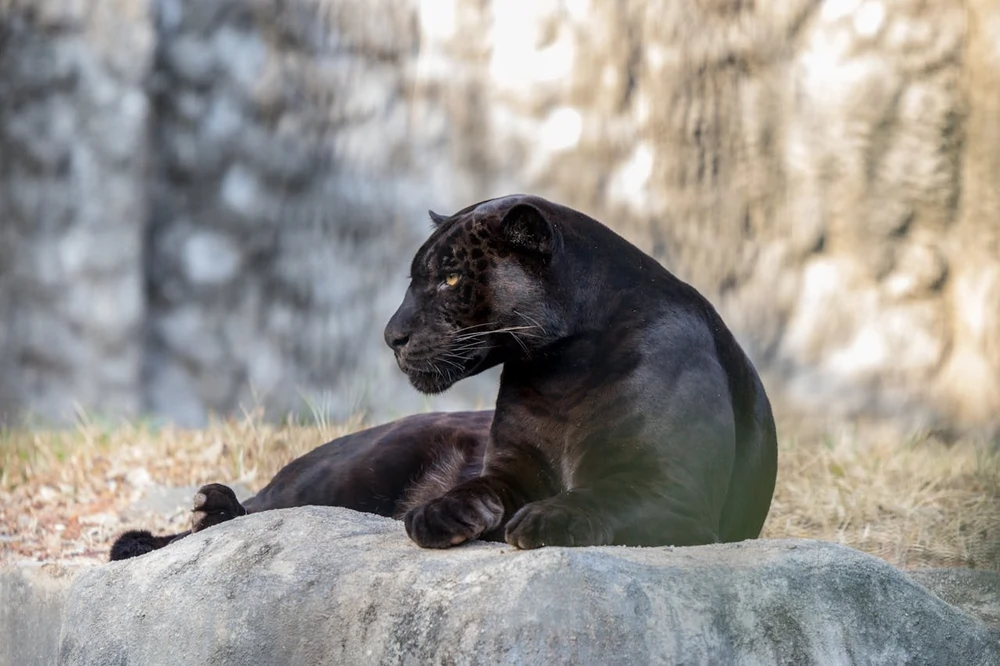
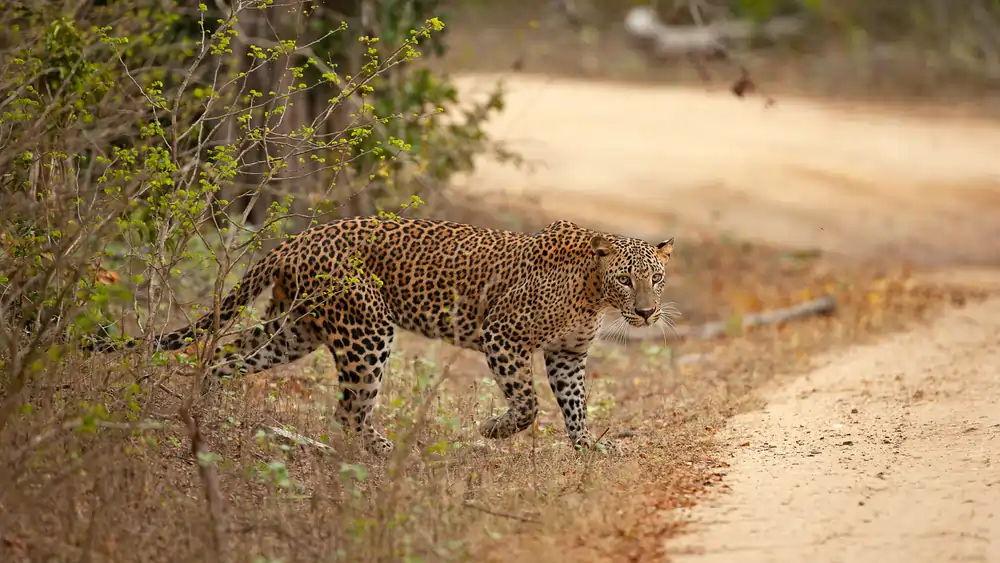
The Sri Lankan leopard, an endemic subspecies, represents the apex predator in the island’s ecosystem. Larger than most other leopard subspecies, these magnificent cats have adapted to various habitats from dry lowland forests to montane regions. A leopard sighting during your safari adventure in Sri Lanka ranks among the most thrilling wildlife experiences available anywhere.
Leopards are solitary, territorial animals, and spotting one requires patience, luck, and an experienced guide. The best times for leopard sightings are early morning and late afternoon when these cats are most active. Watch for signs like alarm calls from deer and monkeys, which often indicate a predator’s presence.
Sloth Bears
The sloth bear adds an element of excitement to any safari experience in Sri Lanka. These coated bears are quite agile and can be unpredictable when surprised. They primarily feed on termites, fruits, and honey, and their presence is often announced by loud snuffling sounds as they search for food.
Encountering a sloth bear during your safari adventure requires a combination of good luck and perfect timing. Wilpattu and Yala national parks offer the best chances, particularly during the palu fruit season when these bears become more active in their search for this favorite food.
Endemic Bird Species
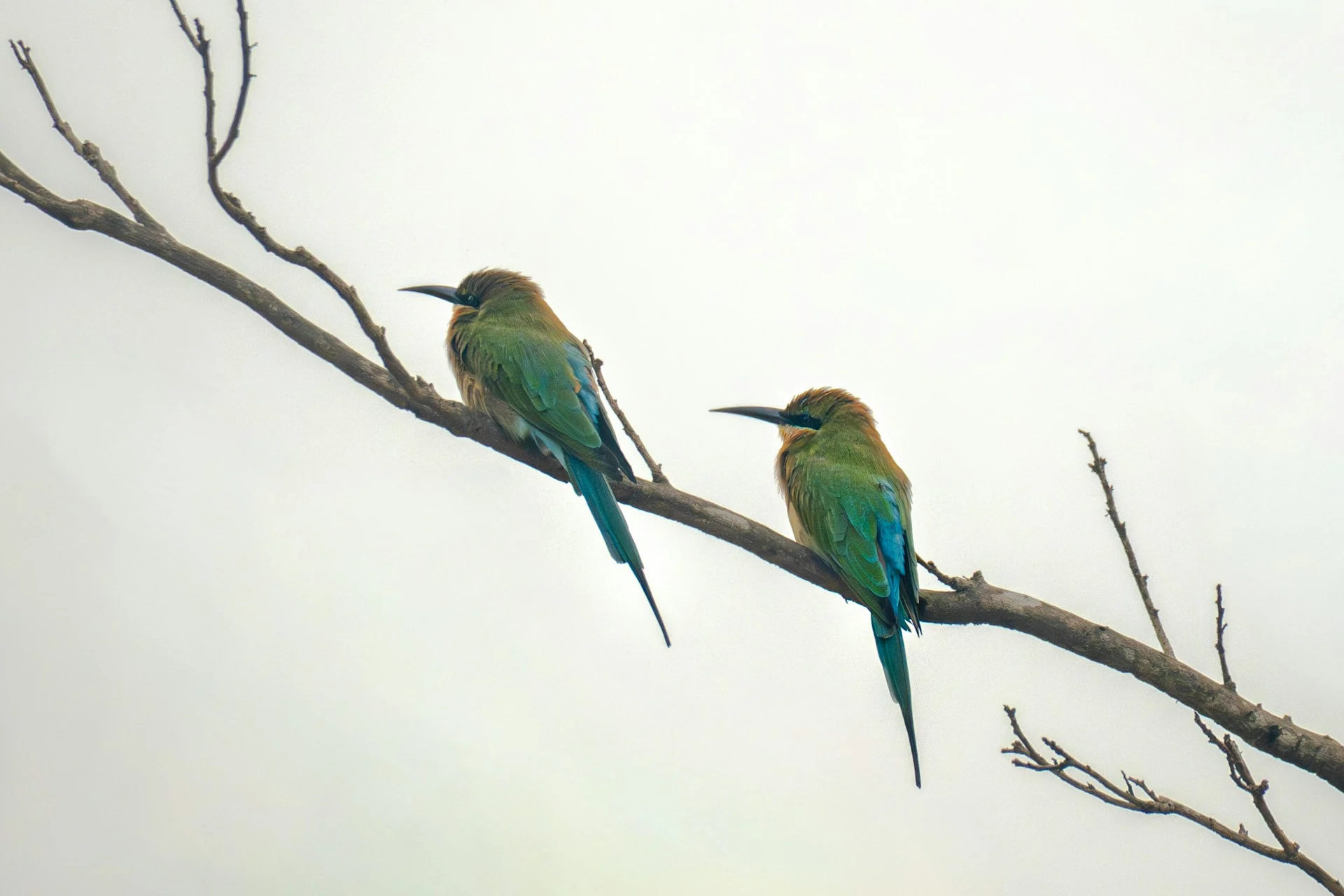
Sri Lanka’s position as an Important Bird Area makes every safari a treat for birdwatchers. The island hosts 34 endemic bird species, meaning they exist nowhere else on Earth.
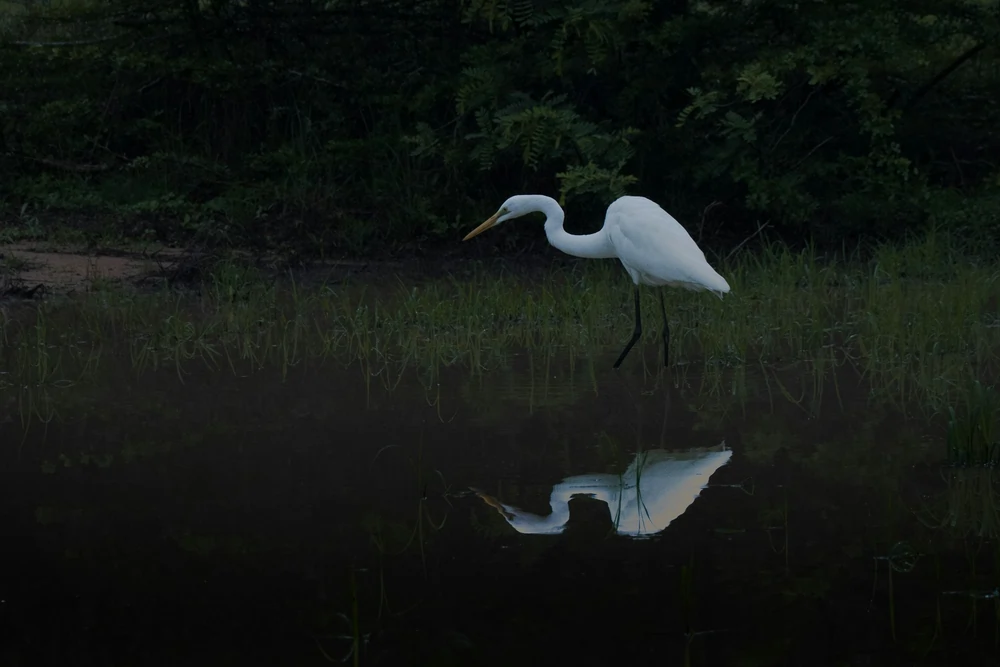
Water birds add another dimension to the safari experience. Lakes, reservoirs, and wetlands within national parks attract painted storks, pelicans, cormorants, and various species of egrets and herons. The sight of a white-bellied sea eagle soaring overhead or a kingfisher diving for fish enriches every adventure with moments of pure natural beauty.
Planning Your Safari Adventure
Best Time for a Safari in Sri Lanka
Timing your safari adventure correctly can make the difference between a good experience and an extraordinary one. Sri Lanka’s climate is divided into two monsoon seasons, affecting different parts of the island at different times. Understanding these patterns helps you plan the perfect experience.
For parks in the southern and eastern regions, including Yala and Udawalawe, the dry season from May to September provides the best safari conditions. During these months, water sources become low, forcing animals to gather around remaining waterholes, making wildlife spotting easier. The vegetation is also less dense, improving visibility during your expedition.
The northern and western parks, particularly Wilpattu, are best visited from February to October when rainfall is minimal. For the famous Elephant Gathering at Minneriya and Kaudulla, plan your safari adventure between July and September for the most spectacular sightings.
Choosing Safari Tour Operators
Selecting the right tour operator can elevate your safari from ordinary to extraordinary. Experienced operators employ knowledgeable guides who understand animal behavior, know the best routes, and can read subtle signs in the environment that lead to incredible wildlife encounters.
When booking your safari adventure, look for operators that prioritize responsible wildlife viewing. Reputable companies maintain appropriate distances from animals, follow park regulations, and contribute to conservation efforts. Your guide should be certified by Sri Lanka’s Tourism Board and possess extensive knowledge of the parks’ ecology and wildlife.
Private safaris offer a more personalized experience, allowing you to set your own pace and focus on your specific interests. Group safaris, while more economical, can still provide excellent wildlife viewing if the group size is kept small and the operator is well-organized.
The Safari Experience: What to Expect
Early Morning Drives
The typical safari adventure begins before dawn, when the first light paints the sky. This timing isn’t random because most wildlife is most active during the cooler morning hours. As your vehicle enters the park, the sounds of awakening wildlife create an atmosphere of anticipation.
During a morning safari experience, you might encounter elephants making their way to water sources, leopards returning from a night of hunting, or countless bird species welcoming the new day. The soft morning light provides ideal conditions for photography, and the cooler temperatures make the experience more comfortable.
Most morning safari experiences last three to four hours, though timings can be adjusted based on your interests and wildlife activity. Your guide will navigate through various habitats, pausing at water holes, scanning open areas, and following fresh tracks that might lead to exciting encounters.
Afternoon Drives
Afternoon drives typically begin around 2 or 3 PM, allowing wildlife to emerge from their rest as temperatures start to cool. This session of your safari adventure often extends until sunset, taking advantage of the golden hour when lighting conditions are perfect for photography and wildlife becomes increasingly active.
The afternoon safari offers different opportunities than morning drives. Cats that were returning to rest in the morning might now be preparing to hunt. Elephants gather at water sources for evening drinks and baths. The changing light transforms the landscape, creating dramatic scenes as the sun sets over the wilderness.
Full-Day Safari Adventures
For the ultimate wildlife experience, full-day safari adventures allow you to remain in the park throughout the day. While midday can be hot and less productive for wildlife viewing, staying in the park positions you perfectly for both the morning and afternoon activity peaks without losing time traveling back and forth.
A full-day safari adventure typically includes a break in the middle of the day, often at a designated picnic area or rest spot. This allows time to have lunch, rest, and discuss the morning’s sightings with your guide. The continuous presence in the park increases your chances of rare encounters and allows you to experience the full rhythm of the wilderness.
Responsible Safari Tourism
Wildlife Welfare and Ethics
Engaging in a responsible safari experience means prioritizing animal welfare above all else. This includes maintaining appropriate distances from wildlife, never attempting to attract animals with food or calls, and allowing animals to move freely without blocking their paths or surrounding them with vehicles.
During your safari adventure in Sri Lanka, your actions can have lasting impacts on wildlife behavior and conservation efforts. Animals that become habituated to vehicles may lose their natural cautiousness, making them vulnerable. Conversely, animals that are harassed or stressed by tourists may abandon important habitats.
Responsible safari operators train their guides to recognize signs of animal stress and to back away when wildlife appears uncomfortable. Your safari adventure should be conducted with the understanding that you are a guest in the animals’ home, and their comfort and safety take precedence over photo opportunities.
Supporting Conservation
Every safari adventure in Sri Lanka can contribute to conservation efforts. National park entrance fees directly fund wildlife protection, habitat management, and anti-poaching patrols. By choosing tour operators that employ local guides and support community initiatives, your safari adventure creates economic incentives for conservation.
Many communities around national parks have historically viewed wildlife as competition for resources or threats to crops and livestock. When safari tourism generates income and employment, attitudes shift. Your safari becomes part of demonstrating that wildlife has value beyond consumption, encouraging protection rather than persecution.
Consider visiting park educational centers and wildlife rehabilitation facilities during your safari adventure. These facilities educate visitors about conservation challenges and often rely on visitor donations to continue their crucial work rescuing and releasing injured or orphaned animals.
Accommodation Options for Your Safari Adventure
Luxury Safari Lodges
For those seeking comfort during their safari adventure, Sri Lanka offers several luxury lodges and tented camps. These properties combine modern amenities with wilderness settings, often positioning themselves on the boundaries of national parks for easy access to game drives.
Luxury safari lodges typically feature spacious rooms or tents with private porches overlooking waterholes or wilderness areas. Many incorporate sustainable design principles, using solar power, rainwater harvesting, and eco-friendly building materials. After a day of safari adventure, you can enjoy gourmet meals, swimming pools, and spa facilities while surrounded by nature’s sounds.
Mid-Range Accommodations
A comfortable safari adventure doesn’t require a luxury budget. Numerous mid-range hotels and guesthouses near major national parks provide clean, comfortable accommodations at reasonable prices. These properties may lack some luxury amenities, but offer everything essential for a successful safari experience.
Many mid-range accommodations are family-run, offering personal service and insights into local culture. Your hosts can arrange safari adventures, provide information about the area, and often serve delicious home-cooked meals featuring Sri Lankan specialties. These properties create a more intimate, authentic experience.
Budget Options and Camping
Budget-aware travelers can still enjoy an excellent safari adventure in Sri Lanka. Basic guesthouses and camping options exist near most major parks, though facilities will be simpler. Some national parks offer camping grounds within or near park boundaries, allowing you to fall asleep to the sounds of the wild.
Camping during your safari adventure creates an immersive experience that connects you deeply with nature. However, be prepared for basic facilities and ensure you book through authorized operators who follow park regulations. The savings on accommodation allow budget travelers to invest in more game drives, extending their safari adventure without overspending.
Making the Most of Your Safari Adventure
Photography Tips
Capturing the magic of your safari adventure requires some technical knowledge and lots of patience. Wildlife photography demands fast shutter speeds to freeze action, long lenses to keep appropriate distances, and a good understanding of light and composition.
During your safari adventure, the best light occurs during the first and last hours of sunlight. Position yourself so the sun illuminates your subjects rather than creating backlit silhouettes. Be patient, as the perfect shot often requires waiting for animals to move into better positions or exhibit interesting behaviors.
Consider investing time in learning your camera’s settings before your safari adventure. Understanding how to quickly adjust ISO, shutter speed, and aperture in changing light conditions means you won’t miss the best moments. Many missed opportunities during a safari adventure result from unfamiliarity with equipment rather than a lack of wildlife encounters.
Understanding Animal Behavior
Knowledge of animal behavior transforms a good safari adventure into an exceptional one. Understanding body language helps you anticipate actions and position yourself for the best views or photographs. It also helps you recognize when animals are stressed or uncomfortable, allowing you to maintain ethical viewing practices.
During your safari adventure, watch for subtle signs that indicate upcoming action. Elephants touching each other with their trunks demonstrate social bonds. A leopard staring at distant bushes may be preparing to hunt. Birds issuing alarm calls often signal a predator’s presence. Your guide will help interpret these signs, but alertness on your side enhances the experience.
Your Sri Lankan Safari Adventure Awaits
A safari adventure in Sri Lanka offers something truly special. It gives the chance to observe incredible wildlife in diverse ecosystems while engaged in a culture that has existed with nature for millions of years. Whether you’re tracking leopards through the rocky landscapes of Yala, photographing elephant gatherings at Minneriya, or searching for sloth bears in Wilpattu’s lake-studded forests, every safari adventure in Sri Lanka creates lasting memories.
Sri Lanka awaits with its leopards, elephants, bears, and countless other species ready to enchant you. Your safari adventure in this remarkable island nation promises to be unlike any other wildlife experience you’ve encountered. From the moment your vehicle enters the park gates to the last lingering sunset over the wilderness, your safari in Sri Lanka will exceed your expectations and leave you planning your return visit before you’ve even departed.
The wild heart of the Pearl of the Indian Ocean beats strong, and it’s calling you to witness its wonders.