



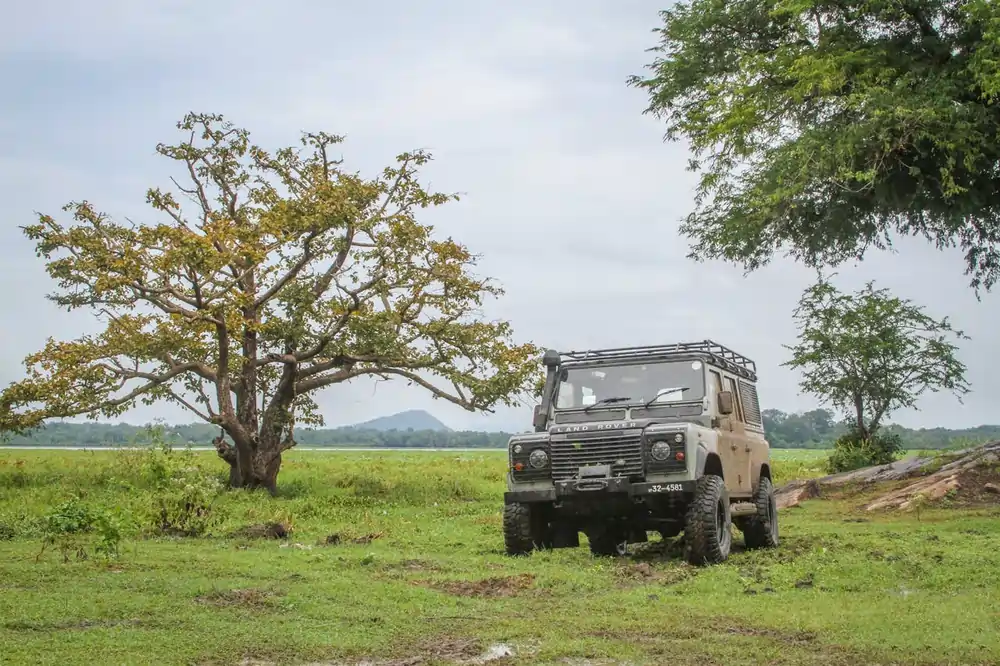
The Joy of Slow Traveling in Sri Lanka
Slow traveling does not mean that you should hang out in the same place for a long period. It is all about finding peace wherever you are. Sri Lanka is a highly diversified place with many beautiful spots. When you choose slow traveling through this beautiful country, you pick depth over speed, quality over quantity, and being present over rushing around.
Sri Lanka has its natural way of a slow-paced life. People here value patience and mindfulness. Locals like to help tourists who try to learn the traditions and language. The compact size makes the slow traveling more comfortable. You can book cozy homestays and get around places you love to explore. A calm holiday happens naturally when you’re not racing between spots, and Sri Lanka’s different landscapes mean you can see mountains, beaches, forests, and cultural places without tiring travel times. There are so many things to see and do in this little island while spending slower days than usual.
Roaming Among the Tea Hills
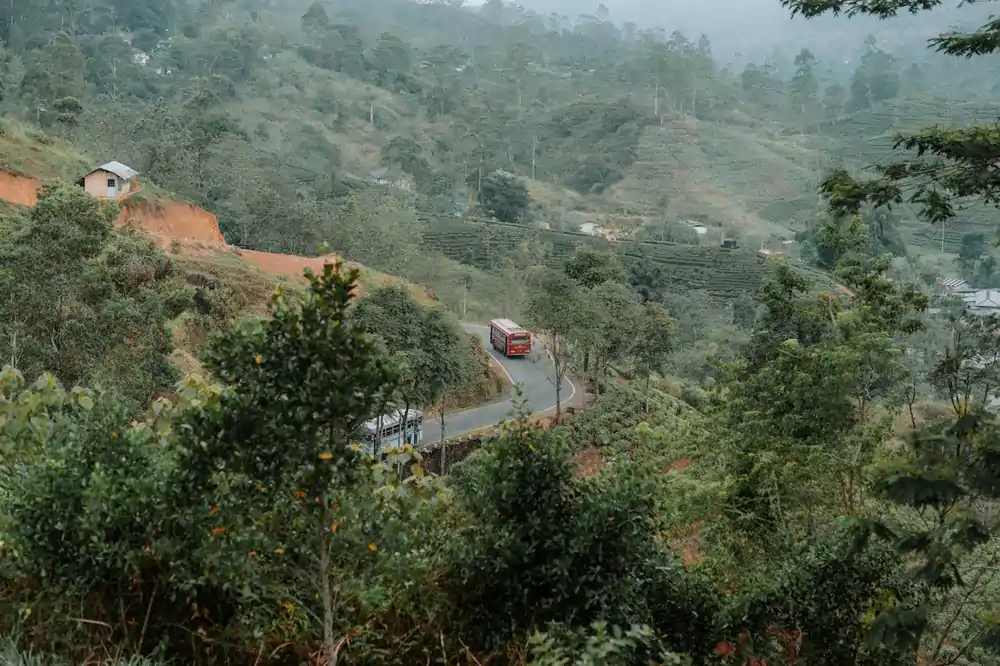
The hill country of Sri Lanka gives great possibilities for slow traveling. Places like Ella, Nuwara Eliya, Hatton, and Haputale are located around the tea hills, where you will get to experience the authentic hill country life and the tea culture. Slow traveling here lets you wake up to the sound of nature, and to have your tea and breakfast outside with beautiful scenery. You can take the evening to stroll around the tea estates and explore the local life.
There are many iconic locations in the hill country that you can take time to explore and enjoy. If you feel like stopping for a moment, the roadside shops will serve you with roti and tea, where you can sit and have a little chat with the locals while enjoying it. You will have the best experiences from these everyday moments.
The hill country also offers the perfect setting for a calm holiday. The cool weather invites long afternoon naps, reading books on quiet patios, and taking gentle walks without the pressure of reaching any particular place. You might spend three days in one small town and feel like you’ve traveled through worlds of experience, all because you took time to notice the small things.
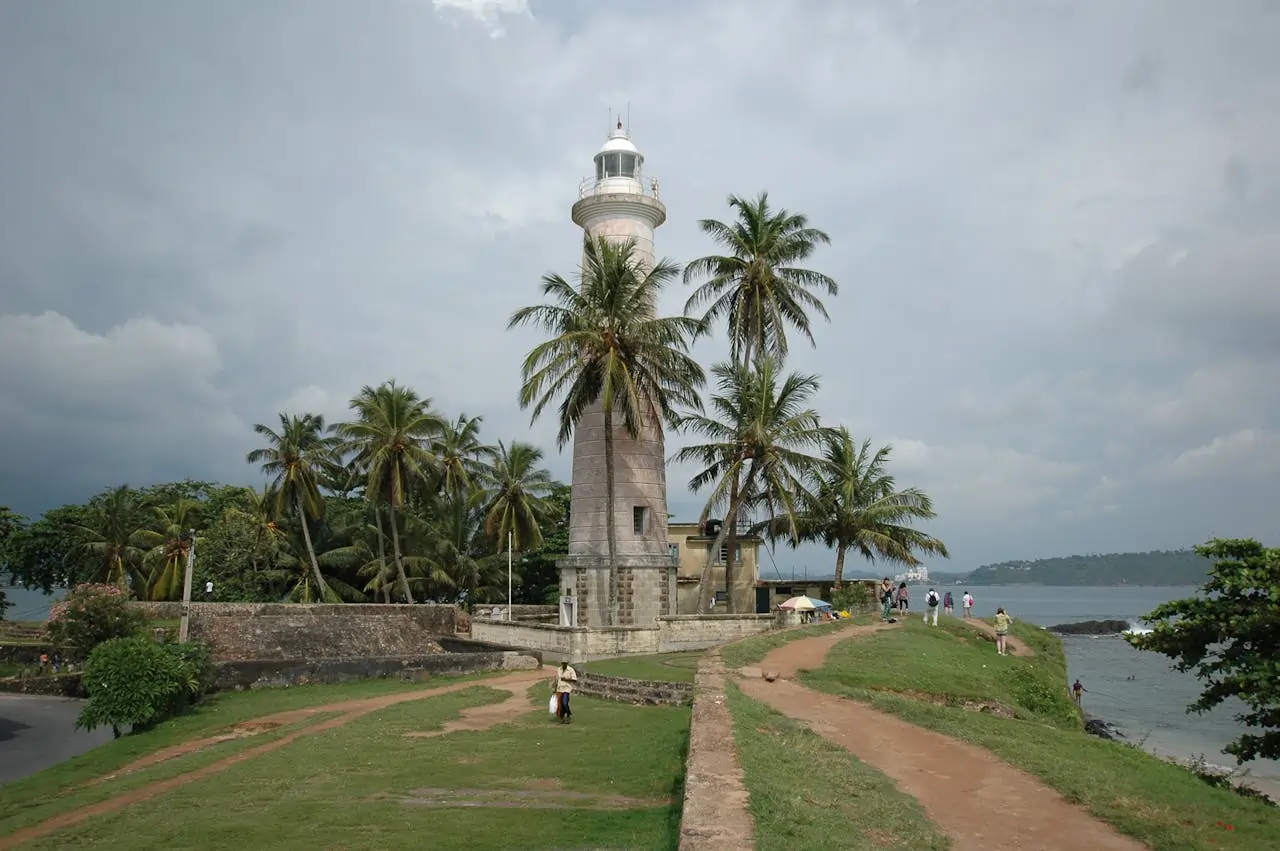
Coastal Life at a Gentle Pace
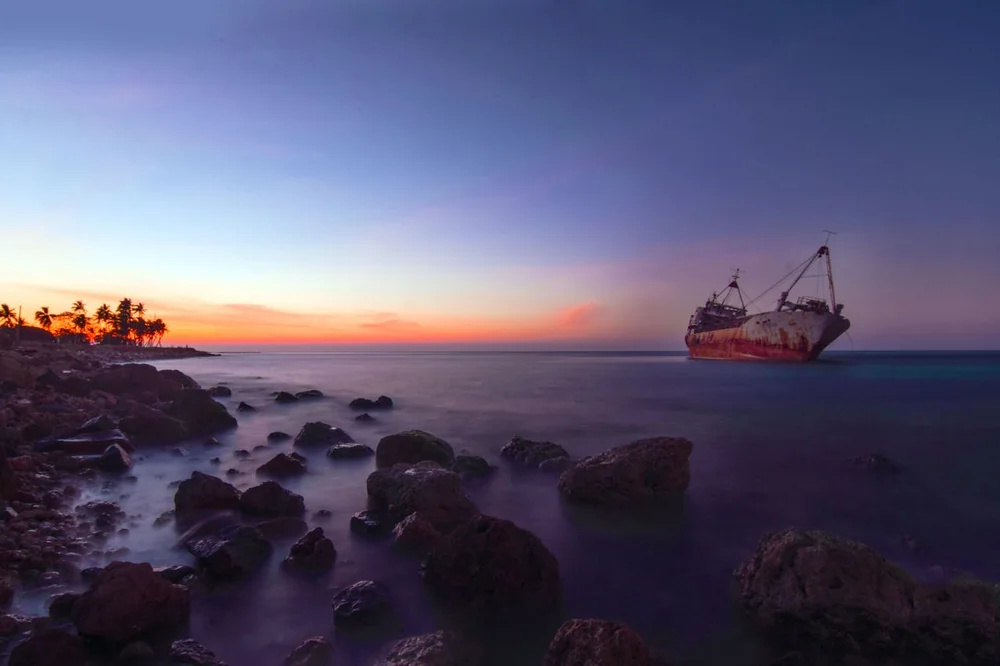
Sri Lanka is an island, which means that it has a long stretch of coastline. Slow traveling doesn’t mean that you have to explore it all. You can choose a few beach towns of your choice where you can spend a calm holiday. Slow traveling on the coast means something more than surfing and watching whales. Take your time to go to a fishing village and watch fishermen getting ready to go fishing. You can also taste local seafood dishes from little restaurants around these villages.
Some coastal towns offer bicycle rides around the entire area. This gives you time and space to explore daily life in depth. You will be able to find out hidden places that no one has ever been to before, and taste different foods that are not available in restaurants. This is slow traveling at its finest: becoming part of the daily life rather than just watching it pass by.
The practice of slow traveling along the coast also means respecting the ocean’s moods. Some days the waves are perfect for swimming; other days they’re too rough. Instead of fighting this or feeling disappointed, slow travelers adjust their plans. Rough wave days become perfect for exploring inland temples, visiting spice gardens, or learning to cook with a local family. A calm holiday embraces these changes rather than resisting them.
Cultural Exploration Through Slow Traveling
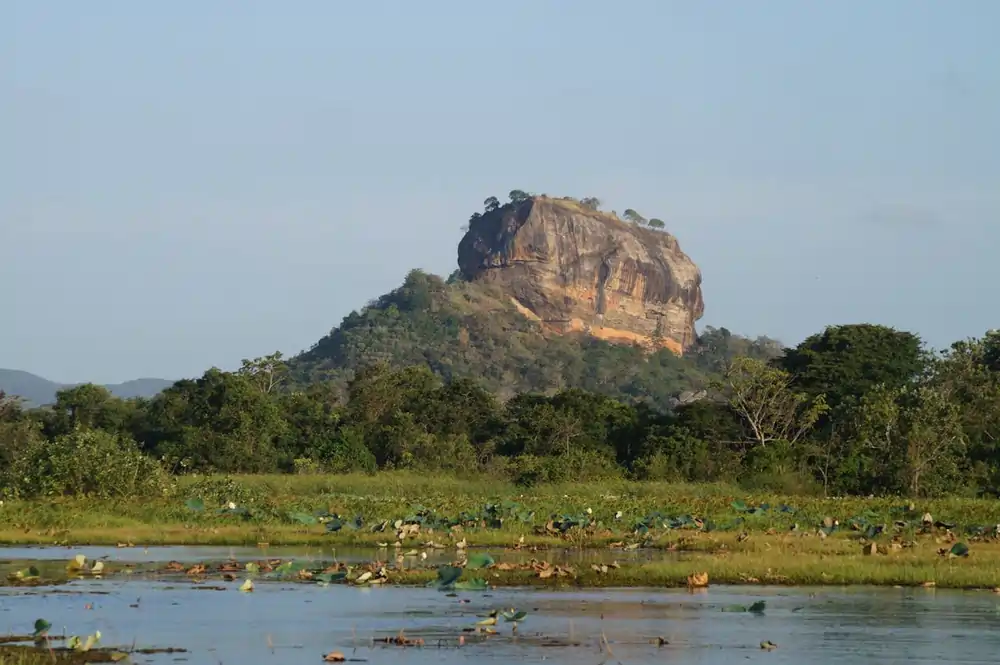
The ancient cities of Sri Lanka are often rushed through by most travellers as they tend to explore all at once. But slow traveling can give you a different perspective. It lets you experience the perfect balance between the ancient ruins and the religious beliefs. Reach during a full moon poya day, when thousands of pilgrims dressed in white come to worship at sacred sites. Join them not as an observer but as a respectful participant, offering flowers at the sacred Bodhi tree and watching how devotion looks when expressed through generations of tradition.
Hiring a local guide for your explorations can add more meaning to your calm holiday. They will not just show you the places, but give you detailed explanations about every single detail. The guides in Sri Lanka are friendly and will make you feel at home. These personal connections transform ruins into living history and make slow traveling deeply meaningful.
The practice of slow traveling also means taking time for smaller cultural experiences. Spend an afternoon at a temple watching monks go about their daily routines. Attend a village festival where everyone insists you try every food offered. Learn basic Buddhist customs not from a guidebook but from gentle corrections and explanations from locals who appreciate your interest. A calm holiday in Sri Lanka’s cultural heart means allowing ancient wisdom to seep into your modern life slowly, without force.
Slow Traveling Experience By Train
Sri Lanka has an old train system that offers beautiful train journeys around the island. This is a perfect way of slow traveling. The famous journey from Kandy to Ella takes about seven hours, winding through mountains, tea estates, waterfalls, and villages. Many travelers try to rush through it in one go, but slow traveling means breaking the journey into segments, stopping in places between to explore.
Start in Kandy, Sri Lanka’s cultural capital, and spend several days here before moving on. The train from Kandy to Nanu Oya takes about three hours, but it will let you explore more. Sit by the open door, let your legs dangle out, and feel the cool mountain air on your face. Talk to the locals around you, and they will share snacks and stories, and their children will want to practice their English with you.
Stop in Nuwara Eliya, which is close to the Nanu Oya station, for a few days. Slow traveling here means walking around Gregory Lake in the evening when local families come out for leisure time, visiting the old post office where hand-stamped letters still get sent worldwide, and warming up with hot chocolate at one of the colonial-era hotels. Don’t rush to see everything; instead, pick a few activities and do them slowly.
The final leg from Nuwara Eliya to Ella showcases why slow traveling by train in Sri Lanka is unforgettable. But again, consider stopping at stations along the way. Haputale, a small town that many pass through, rewards slow travelers with stunning views and authentic experiences. Lipton’s Seat, a viewpoint where Sir Thomas Lipton once surveyed his tea empire, requires an early morning journey but offers sunrise views over five provinces. Going slowly means you can make this trip without rushing back to catch the next train.
Slow traveling by train also means embracing delays and changes. Trains in Sri Lanka don’t always run on time, and that’s part of the charm. When your train is two hours late, you’re not stressed because you’ve built flexibility into your plans. Instead, you buy tea from the platform vendor, chat with other waiting passengers, and watch station life unfold. This is all about finding joy in the unplanned moments.
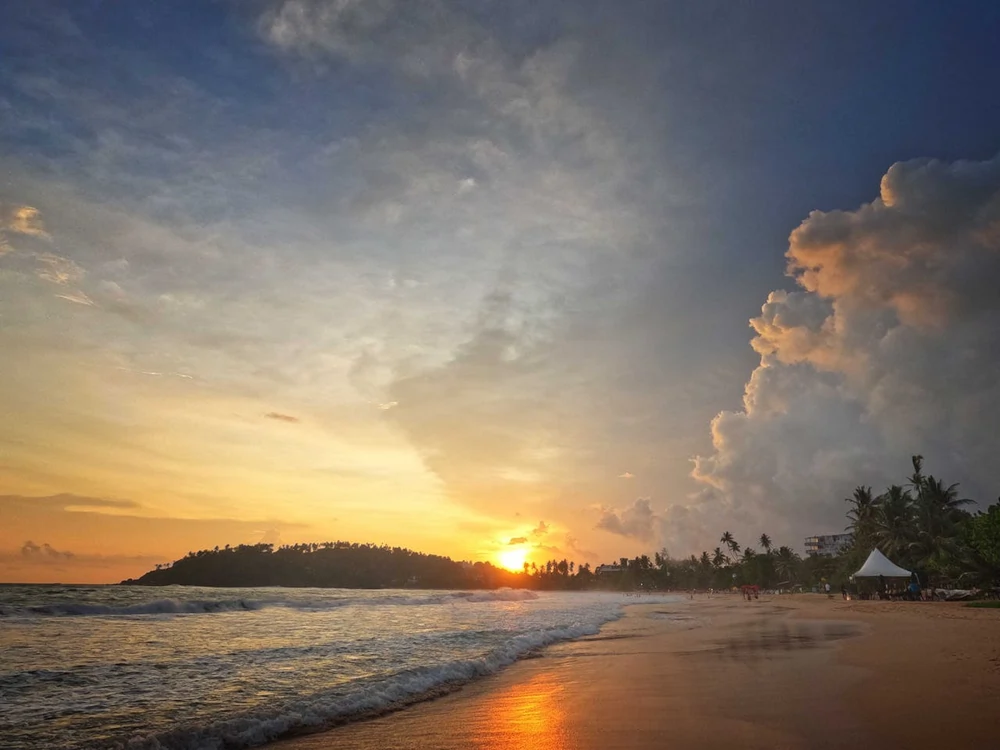
Savoring the Authentic Food
Food in Sri Lanka deserves to be explored at a slow pace. This isn’t cuisine to rush through. It’s meant to be savored, discussed, and enjoyed over long meals with friends. Part of slow traveling means learning to eat as locals do, mixing flavors and textures with your hand.
Slow traveling allows you to learn to cook and taste different dishes. Look for a class nearby that teaches you how to cook. You’ll likely spend a morning at the market buying ingredients, learning to select the best vegetables and spices. Back in the kitchen, you’ll grind spices by hand, understanding why Sri Lankan curries taste different from Indian or Thai ones. The teacher will tell you stories while cooking about local life.
Street food offers another route for slow traveling. In towns and cities, evening food stalls sell many food items, including kottu roti, a Sri Lankan favorite where roti bread is chopped and mixed with vegetables, egg, and meat on a hot griddle. The rhythmic clang of metal blades chopping becomes an evening soundtrack.
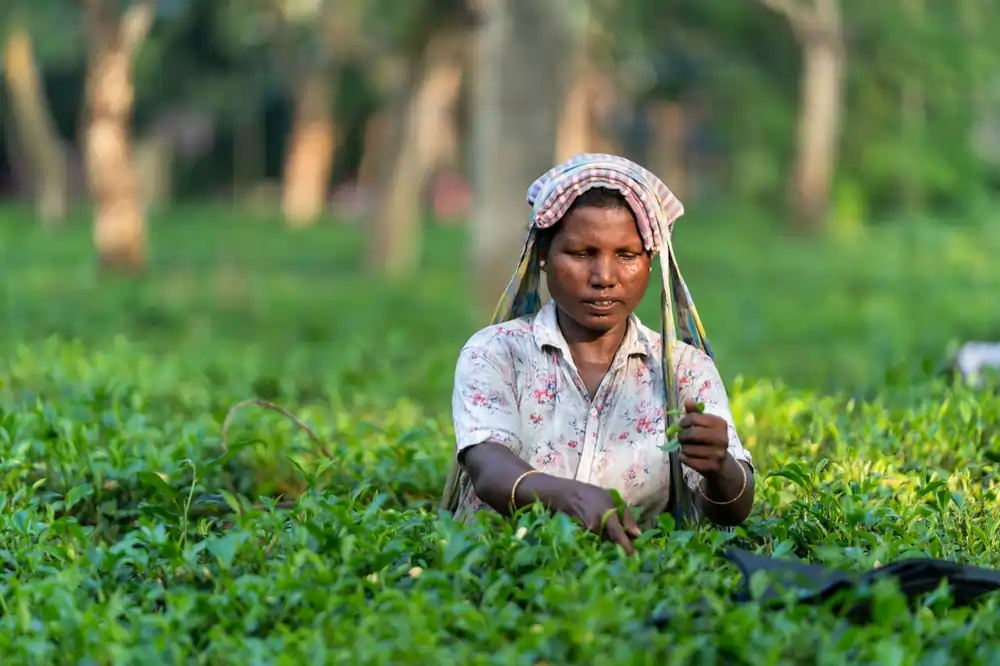
Tea, of course, deserves special attention when slow traveling in Sri Lanka. This country produces some of the world’s finest tea, and slow traveling means learning and tasting the difference between tea from different regions and elevations. Visit small tea factories where workers will explain the entire process from fresh leaf to packaged tea. Learn the proper way to brew Ceylon tea and why milk and sugar are typically added. A calm holiday in Sri Lanka might include daily tea times that become rituals of slowing down and reflecting on your experiences.
Wellness and Healing
Ayurveda, the ancient system of medicine, has deep roots in Sri Lanka, and slow traveling naturally aligns with Ayurvedic principles of balance and healing. Many travelers come specifically for Ayurvedic treatments, but slow traveling means approaching this not as a spa experience but as a healing practice that requires time and commitment.
Traditional Ayurvedic centers assess your dosha (body type) and create treatment plans that might last weeks. Slow travelers who dedicate time to this find themselves following daily routines of oil treatments, herbal medicines, specific diets, and yoga. These experiences change you in ways that quick spa visits cannot. You learn about your body, develop better eating habits, and understand the connection between physical and mental health.
Yoga and meditation retreats throughout Sri Lanka offer programs designed for slow travelers. Unlike intensive weekend retreats, longer programs let practices develop naturally. You might spend two weeks at a beach retreat where morning yoga, afternoon meditation, and evening philosophy discussions become routines that transform your understanding of both yoga and yourself. A calm holiday focused on wellness doesn’t feel like work; it feels like coming home to your body.
Connecting with Nature
Sri Lanka’s biodiversity makes it one of the world’s top nature destinations, and slow traveling means experiencing wildlife and nature without rushing. Instead of trying to see elephants, leopards, and whales in one week, choose one or two wildlife experiences and do them right. Slow traveling prioritizes quality of experience over quantity of sightings.
Udawalawe National Park, home to large elephant herds, offers slow traveling with full days on safari to understand elephant behavior and the ecosystem they inhabit. Watch a mother teach her baby to use its trunk, see how the herd dynamics work, and notice the hundreds of bird species that share the park. Your guide will appreciate your patience and reward it with deeper knowledge and better positioning for observations.
Slow traveling in nature also means exploring beyond famous national parks. Local guides can take you on jungle walks where you’ll learn about medicinal plants, see tiny frogs in vibrant colors, and hear the calls of dozens of bird species. These walks might not produce dramatic wildlife sightings, but they connect you to nature’s smaller miracles.
Whale watching from Mirissa or Trincomalee offers another opportunity for slow traveling. The boats go out for several hours, and sometimes you don’t see whales. Slow travelers don’t count this as failure. The journey itself becomes a great experience. When whales do appear, rising from the deep to breathe, the moment feels even more special because you haven’t rushed toward it with expectations.
Planning Slow Traveling to Sri Lanka
Slow traveling in Sri Lanka requires different planning than traditional tourism. Instead of booking every hotel in advance, book the first few nights and then extend or move based on how they feel. Many guesthouses offer weekly or monthly rates that make slow traveling affordable. Some hosts become so close with long-term guests that they offer reduced rates or extra services naturally.
Money matters less when slow traveling. You’re not constantly paying for transport, entry fees, and restaurants. You eat where locals eat, use public transport, and spend more time on free activities. You will find that you spend less per month than you would on two weeks of traditional tourism.
Packing for slow traveling becomes different as well. Bring fewer clothes and plan to wash them regularly, or buy local clothing. Bring basic supplies, but know that Sri Lankan stores stock the most common items. Most importantly, bring flexibility and openness.
Embracing the Slow Travel Mindset
Sri Lanka, with its lush landscapes and laid-back island charm, is the perfect destination for anyone seeking a calm holiday through the art of slow traveling. Rather than rushing from one attraction to another, slow travel encourages visitors to truly immerse themselves in the rhythm of local life; to pause, connect, and appreciate the beauty of simplicity. On this island, every moment offers an opportunity to slow down and experience something genuine, whether it’s watching the sunrise over the misty hills of Ella or sharing stories with a fisherman on the southern coast.
For those seeking a calm holiday, Sri Lanka offers endless ways to unwind. Stay in a family-run guesthouse overlooking rice fields, enjoy a beachfront retreat in Tangalle, or take the scenic train journey from Kandy to Ella. By embracing slow travel, you not only reduce your environmental impact but also support local communities in a more meaningful way.
Living with Local Communities
One of the most rewarding aspects of slow traveling in Sri Lanka is the opportunity to genuinely connect with local communities. Village homestays offer the most direct route into community life. When you stay with a family for a week or more, you become part of the household rhythm. You’ll help prepare breakfast, learn family recipes, and share stories with the grandmother while she teaches you to make coconut sambol.
Slow traveling means participating in community activities rather than just observing them. You might join morning almsgiving to monks or help with rice planting during harvest season. Working alongside villagers in the paddy fields gives you profound respect for the labor behind every meal. Religious festivals and ceremonies become meaningful when you receive invitations to family celebrations and temple ceremonies instead of arriving as an outsider with a camera.
Learning basic Sinhala or Tamil phrases deepens these connections immensely. Children become enthusiastic teachers, and the local shopkeeper remembers your attempts to order in their language. Traditional crafts offer another avenue for connection, as slow travelers can apprentice with local artisans, learning pottery, weaving, or mask-making while hearing stories about how crafts have changed over generations.
Markets and Local Shopping
Shopping during slow traveling transforms from a transaction into cultural education. Local markets serve as the beating heart of community life. When you shop at the same market repeatedly, vendors recognize you and remember your preferences. The mango seller will call you over when especially sweet ones arrive, and these small interactions build genuine relationships.
Spice markets deserve particular attention. Slow travelers spend time with vendors learning to identify quality and understand different grades. A vendor might open bags of cinnamon from different areas so you can compare them. You’ll learn why Sri Lankan cinnamon is considered superior and which peppercorns work best for different dishes.
Traditional craft markets and artisan workshops let you buy items while understanding their cultural significance. Watch batik artists create intricate designs or mask makers explain traditional dance characters. When you buy directly from artisans after watching them work, each purchase becomes meaningful. Textile shopping means appreciating the labor behind handloom fabrics and paying fair prices that support artisans properly.
Grocery shopping at small neighborhood stores provides daily opportunities for cultural exchange. Store owners learn your preferences and offer advice about preparing unfamiliar ingredients. You might receive handwritten recipes or invitations to family meals. These ordinary shopping interactions weave you into neighborhood life in ways that transform a calm holiday into genuine belonging.
Your Journey Into Slow Travel Awaits
Slow traveling in Sri Lanka is more than just a vacation style; it’s a philosophy that changes how you see the world. By choosing to move slowly through this beautiful island, you give yourself the greatest gift a traveler can receive: time to truly see, understand, and connect with a place and its people.
The memories you create through slow traveling will be different from typical tourist experiences. You won’t remember rushing between ten attractions in a day, but you will remember the afternoon spent learning to cook with a village family, the conversations with tea pluckers in the highlands, the quiet mornings watching fishermen prepare their boats, and the genuine friendships formed over countless cups of Ceylon tea.
A calm holiday through slow traveling teaches valuable lessons that extend beyond your trip. You learn that more isn’t always better, that depth of experience matters more than quantity of sights, and that the best travel stories come from unexpected moments of human connection. You return home not exhausted from trying to see everything, but enriched by having truly experienced something.
So take a deep breath, release your need to see it all, and let Sri Lanka work its magic at its own pace. Book that homestay for a week instead of a night. Skip three destinations and spend more time in one. Take the slow train and stop in small towns along the way. Say yes to invitations from locals. Learn a few words in Sinhala. Cook, eat, walk, and simply be present.