



Essential Photography Locations in This Sri Lanka Travel Guide
The foundation of any successful photography tour to Sri Lanka begins with understanding the island’s diverse photographic zones. Sri Lanka offers a diverse range of photographic opportunities, from wildlife and landscape photography to street scenes, cultural documentation, seascapes, and architectural studies. This variety means you’ll need to plan well, as different regions demand different equipment, techniques, and timing.
Sigiriya Rock Fortress stands as the most iconic subject in any Sri Lanka travel guide. This 5th-century sky palace, rising 200 meters from the surrounding plains, offers multiple photographic perspectives. The classic shot captures the rock’s entire profile from the surrounding forest at sunrise, when mist often clings to the jungle canopy and soft light illuminates the rock’s orange-brown face. Position yourself at the designated viewpoint about 30 minutes before sunrise.
The ancient city of Polonnaruwa delivers exceptional opportunities for architectural and cultural photography. Polonnaruwa allows intimate access to ruins without crowds of tourists blocking your way. The Gal Vihara’s four Buddha statues carved from granite create dramatic subjects, especially in late afternoon when warm side lighting adds dimension to the carved stone. Early morning visits mean better light and fewer tourists.
Galle Fort, the Dutch colonial fortress on Sri Lanka’s southern coast, provides endless street photography opportunities within its historic walls. The fort’s narrow lanes, colonial architecture painted in fading pastels, and mix of locals and tourists create dynamic street scenes. Golden hour transforms the ramparts into a photographer’s paradise. Shoot along the walls as waves crash below and the lighthouse glows in warm evening light.
The fort works beautifully for both candid street photography and architectural photography. Unlike many heritage sites, Galle Fort remains a living community where you can photograph authentic daily life rather than staged tourist scenes, making it an essential stop on any photography tour to Sri Lanka.
The Nine Arches Bridge near Ella has become Sri Lanka’s most Instagrammed location, and while this means crowds, the scene truly deserves its fame. This colonial-era railway curves elegantly through dense jungle, and when trains cross, the composition becomes magical. The challenge is shooting from an original perspective, given how heavily photographed this location has become.
Shoot from below, emphasizing the bridge’s arches, use the tea estate hillside for elevated perspectives, or employ longer exposures to blur train movement against the static bridge. Most importantly for this location in your Sri Lanka travel guide, arrive at least 45 minutes before the scheduled train times to secure your preferred shooting position.
Ella Rock and Little Adam’s Peak offer landscape photography opportunities that showcase Sri Lanka’s stunning hill country. These hikes, featured prominently in every Sri Lanka travel guide, reward early risers with sunrise vistas across tea plantation valleys often filled with morning mist. The contrast between orderly planted tea bushes and wild jungle, the geometry of harvested rows against organic mountain curves, and the scale provided by tiny tea pickers working distant slopes create clear compositional elements unique to Sri Lankan highlands.
Hill Country Tea Plantations around Nuwara Eliya and Haputale provide some of the most iconic imagery in any Sri Lanka travel guide. The endless rolling hills carpeted in emerald tea bushes create mesmerizing patterns that photograph beautifully from elevated viewpoints. Early morning mist often clings to valleys, creating layered pieces with alternating bands of mist and green hillsides receding into the distance. The famous train journey from Kandy to Ella offers constantly changing perspectives.
Time your photography tour to Sri Lanka during the tea harvest season when estates are most actively worked, adding human elements to landscape compositions. Look for viewpoints like Lipton’s Seat near Haputale or the roads between tea estates where you can safely pull over for unobstructed shots. Golden hour transforms these green landscapes into glowing emerald waves, while overcast conditions create moody, atmospheric images with rich color saturation.
South Coast Beaches deliver the ideal tropical paradise imagery every photographer envisions when planning a tour to Sri Lanka. Mirissa’s iconic Coconut Tree Hill features dramatically leaning palm trees over a rocky coastline. Unawatuna’s crescent bay photographs beautifully from elevated viewpoints, showing the entire horseshoe-shaped beach framed by jungle-covered headlands. Tangalle’s quieter beaches offer opportunities for long-exposure seascapes.
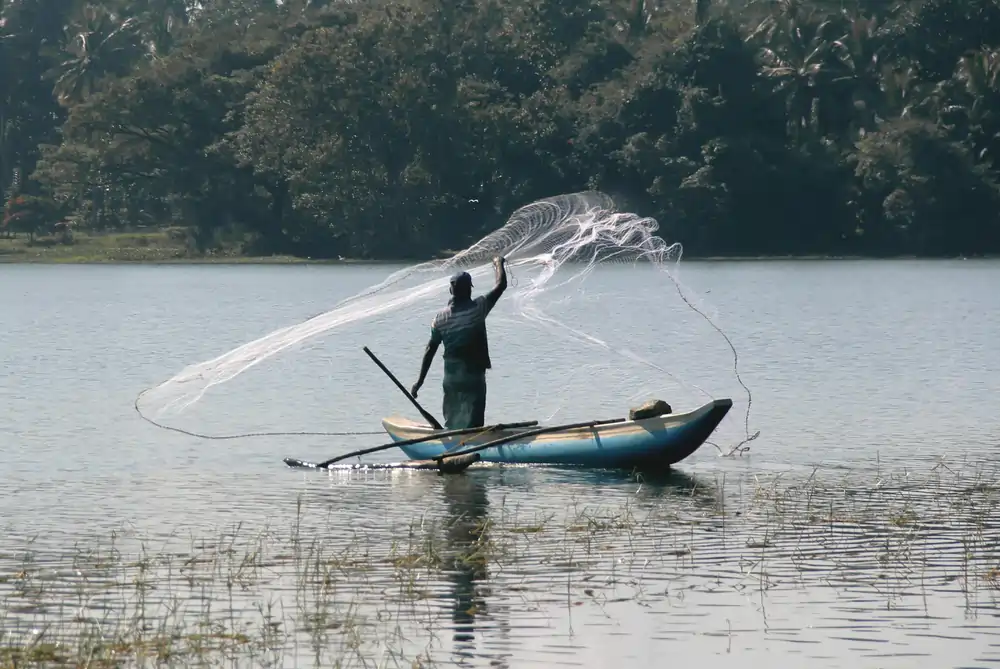
Dawn on the east coast or dusk on the west and south coasts provide optimal light for beach photography. Include traditional stilt fishermen as cultural elements, or photograph fishing boats returning with morning catches, nets being mended, and the daily rhythms of coastal village life that add authenticity beyond simple, pretty beach shots featured in every Sri Lanka travel guide.
Wildlife Photography Opportunities in Your Sri Lanka Travel Guide
Sri Lanka’s national parks offer world-class wildlife photography opportunities that stand beyond East African safaris at a fraction of the cost. This aspect deserves serious attention from nature photographers, as the island’s biodiversity and relatively easy wildlife access create ideal conditions for capturing incredible animal behavior and portraits.
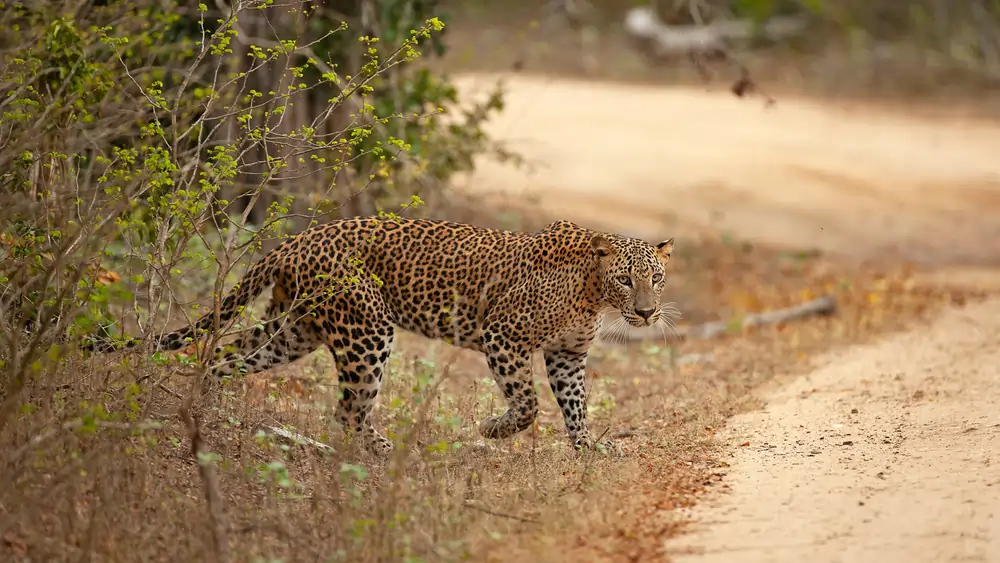
Yala National Park holds the world’s highest density of leopards, making it the premier destination for big cat photography on your tour to Sri Lanka. However, photographing these elusive predators requires patience, the right equipment, and realistic expectations. When you do encounter one, they’re often in spotted forest shade, creating challenging exposure situations with high contrast between sunlit and shadowed areas.
The dry season (February-July) offers the best leopard viewing and should be prioritized in your Sri Lanka travel guide timeline if wildlife photography is your focus. Beyond leopards, Yala delivers opportunities for elephant photography, though not on the scale of other Sri Lankan parks. The park’s diverse landscape means varied backdrops for wildlife images rather than repetitive settings. Early morning and late afternoon game drives provide the best light, with golden hour illuminating animals beautifully.
Udawalawe National Park specializes in elephant photography and should feature prominently in any wildlife-focused Sri Lanka travel guide. Unlike Yala’s scrubby landscape, Udawalawe’s open grasslands resemble an African savanna, providing clear views of elephant herds often numbering 50-100 individuals. The photography opportunities here are exceptional. The open terrain allows creative compositions incorporating the environment.
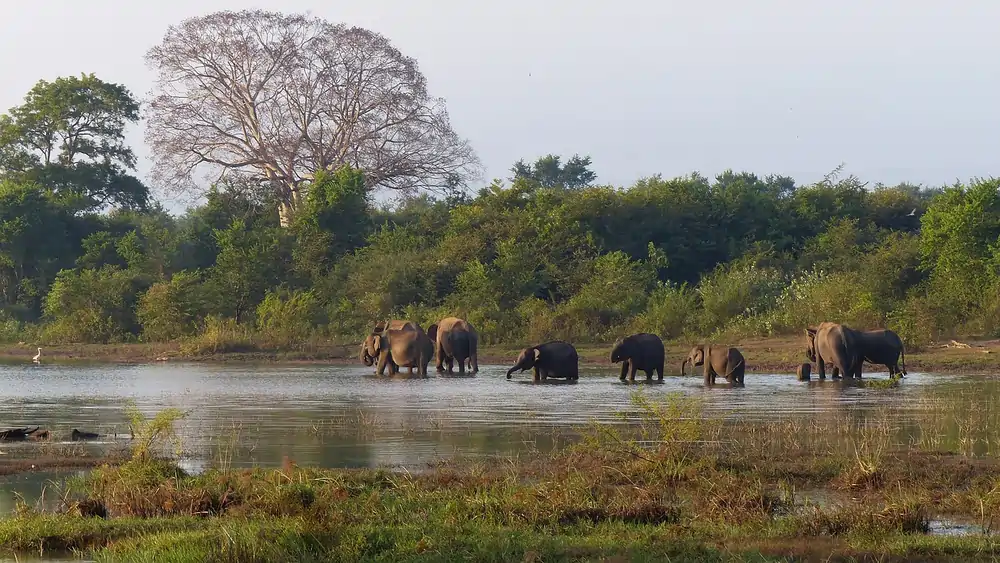
Minneriya National Park often has about 200-300 elephants congregate around the ancient Minneriya Tank. This natural phenomenon creates wildlife photography opportunities unmatched elsewhere in Asia and represents a highlight of any summer tour to Sri Lanka. The sheer number of elephants allows you to be selective, waiting for compelling behavior and interactions rather than shooting every animal you see. Look for storytelling moments: mothers with calves, bulls sparring, families drinking and bathing, or the dramatic scene of hundreds of elephants against the setting sun reflected in the reservoir.
Whale watching from Mirissa offers marine wildlife photography opportunities unique to Sri Lanka. Blue whales, the largest animals ever to exist, migrate through these waters from November to April. This experience deserves inclusion in any comprehensive Sri Lanka travel guide for photographers, though it requires patience and acceptance that conditions often don’t cooperate perfectly for photography.
Mastering Light and Timing: Essential Sri Lanka Travel Guide Photography Tips
Understanding light transforms good photographs into extraordinary ones, and Sri Lanka’s tropical location creates specific lighting conditions that this Sri Lanka travel guide will help you master.
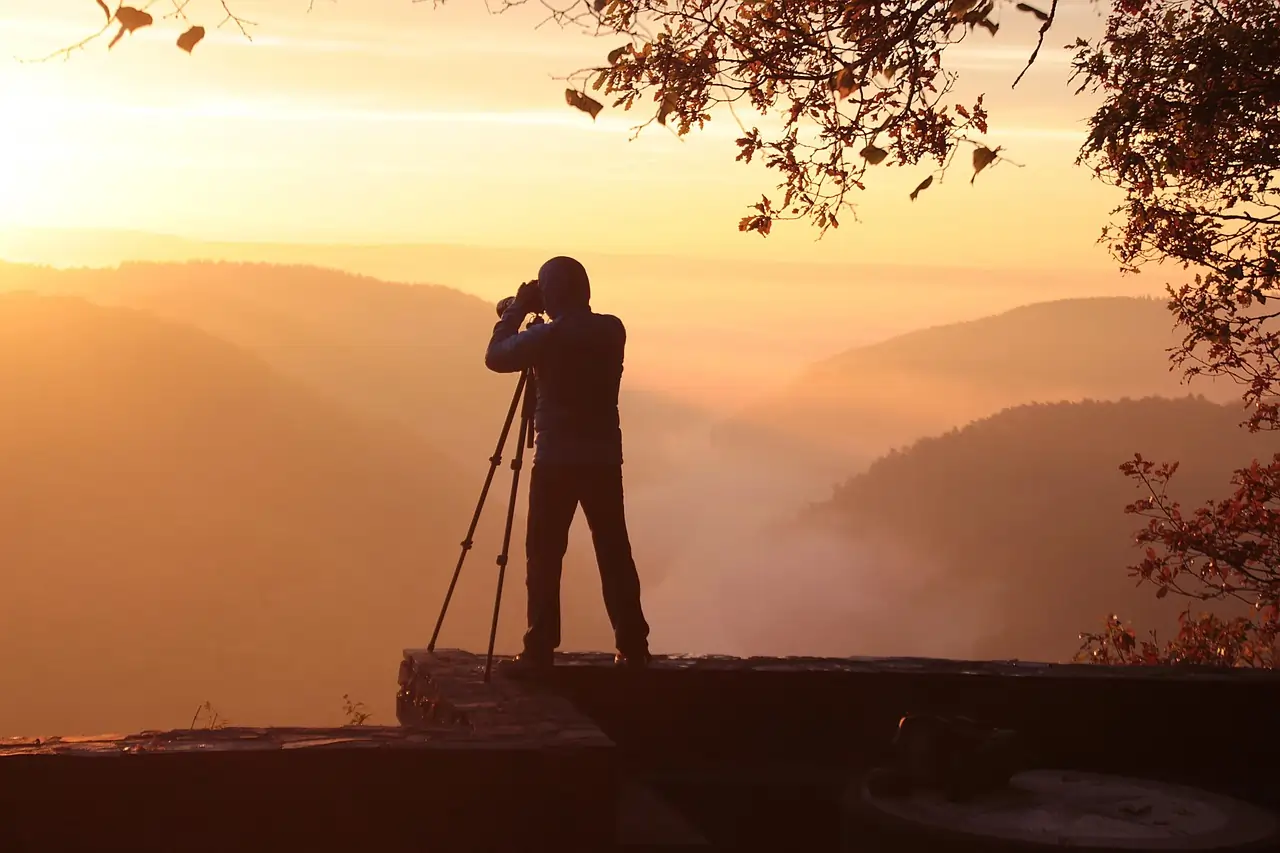
Golden hour photography demands punctuality and preparation. Scout locations the day before your planned shoot, arrive at least 30 minutes before sunrise or 45 minutes before sunset, have your composition pre-planned, and be ready to shoot the instant light turns magical. In Sri Lanka’s ancient cities, dawn light illuminates stone temples and stupas beautifully, while mountain viewpoints like World’s End or Ella Rock transform during sunrise when mist fills valleys below. Coastal locations work magnificently at sunset.
The harsh midday sun, typically from 11 AM to 3 PM, creates challenges with high contrast and flat, unflattering light. However, this timing works perfectly for certain subjects in your Sri Lanka travel guide. Forest canopies in places like Sinharaja Rainforest or the jungle surrounding Sigiriya benefit from overhead light penetrating the dense foliage.
Architecture with deep overhangs, like temple doorways and colonial building arcades, receives even illumination without the harsh shadows that morning or afternoon side lighting creates. Street photography in markets like Pettah in Colombo actually works better midday when market roof coverings diffuse harsh sun while maintaining sufficient light for shooting.
Cultural Photography and Human Subjects in This Sri Lanka Travel Guide
Photographing people requires cultural sensitivity, and this Sri Lanka travel guide emphasizes respectful practices that honor subjects while creating effective portraits. Sri Lankans are generally friendly and often willing to be photographed, but approaching strangers with a camera demands thoughtful manners.
Temple photography offers rich opportunities for documenting Buddhist culture and practices. Major temples like Kandy’s Temple of the Sacred Tooth Relic see groups of holy pilgrims presenting offerings, lighting oil lamps, and praying. Always ask permission before photographing worshippers in prayer. Remove shoes before entering temple grounds, dress modestly (covering shoulders and knees), and avoid using flash during ceremonies as it disrupts the devotional atmosphere. The evening puja ceremonies at major temples create atmospheric images with incense smoke, flickering oil lamps, and intense devotion visible in pilgrims’ faces.
Market photography captures vibrant daily life and features prominently in every photographer’s Sri Lanka travel guide. The Pettah Market in Colombo, fish markets in Negombo, and local produce markets throughout the island explode with color, energy, and visual chaos that translates beautifully into images. Arrive early morning when markets buzz with activity, and the light is softer. Engage vendors before photographing. Most vendors appreciate the interest once they understand you’re documenting their work respectfully. Look for details: weathered hands sorting vegetables, vibrant spice pyramids, fish being cleaned, or the organized chaos of activity.
Tea plantation workers create iconic Sri Lankan imagery. Women in colorful saris picking tea on hillsides with baskets strapped to their backs. However, these workers deserve respect and fair treatment in exchange for photographs. Many plantations now charge photography fees that go to workers, a reasonable practice supporting people whose images generate income for photographers. Approach workers politely, offer small tips, and be mindful that they’re working, not performing for cameras. The most compelling images capture authentic labor. Schedule tea country photography during your tour to Sri Lanka between 9-11 AM when workers are active, and light is still favorable.
Portrait photography of local people requires building a connection before raising your camera. Unlike some destinations where locals aggressively demand payment for photos, most Sri Lankans respond warmly to genuine, friendly interaction. Learn basic Sinhala or Tamil phrases, smile, engage in a brief conversation, then ask politely. Many people, especially children and young adults, agree. Older generations and more conservative individuals may decline, which should be respected without persistence.
Best Times for Photography During Your Sri Lanka Travel Guide Journey
Seasonal timing dramatically affects photographic conditions, and this Sri Lanka travel guide details optimal periods for different photographic subjects. Unlike simple tourist seasons, photography tours to Sri Lanka require consideration of wildlife migrations, weather patterns, and cultural events, creating unique photographic opportunities.
December through March represents peak season when the southwest coast and hill country experience ideal weather. This timing suits landscape photography in the tea country, beach photography along the south and west coasts, and cultural photography in the Cultural Triangle. However, popular locations become crowded, potentially challenging for photographers seeking empty scenes. Wildlife viewing at Yala improves as the season progresses into February-March, when drying water sources concentrate animals. This period works best for first-time visitors following traditional routes outlined in most Sri Lanka travel guide recommendations.
July through September bring unique opportunities despite being the monsoon season on the southwest coast. This timing overlaps with Minneriya‘s “Gathering” when hundreds of elephants congregate. The east coast (Arugam Bay, Trincomalee) experiences dry weather during these months, offering excellent beach and surf photography when the south coast is wet. Yala remains open and productive for wildlife photography. Green season landscapes glow vibrantly after rains, creating lush conditions that photograph beautifully despite occasional weather interruptions.
Festival seasons create cultural photography opportunities beyond standard sightseeing featured in typical Sri Lanka travel guide content. The Kandy Esala Perahera ranks among Asia’s grandest Buddhist festivals with elaborately decorated elephants, traditional dancers, and torch-lit procession. Vesak in May celebrates Buddha’s birth with elaborate lantern displays illuminating towns, beautiful for night photography. Thai Pongal in January brings Hindu harvest celebrations with colorful rangoli decorations and traditional cooking.
Photography Ethics and Responsible Tourism in Your Sri Lanka Travel Guide
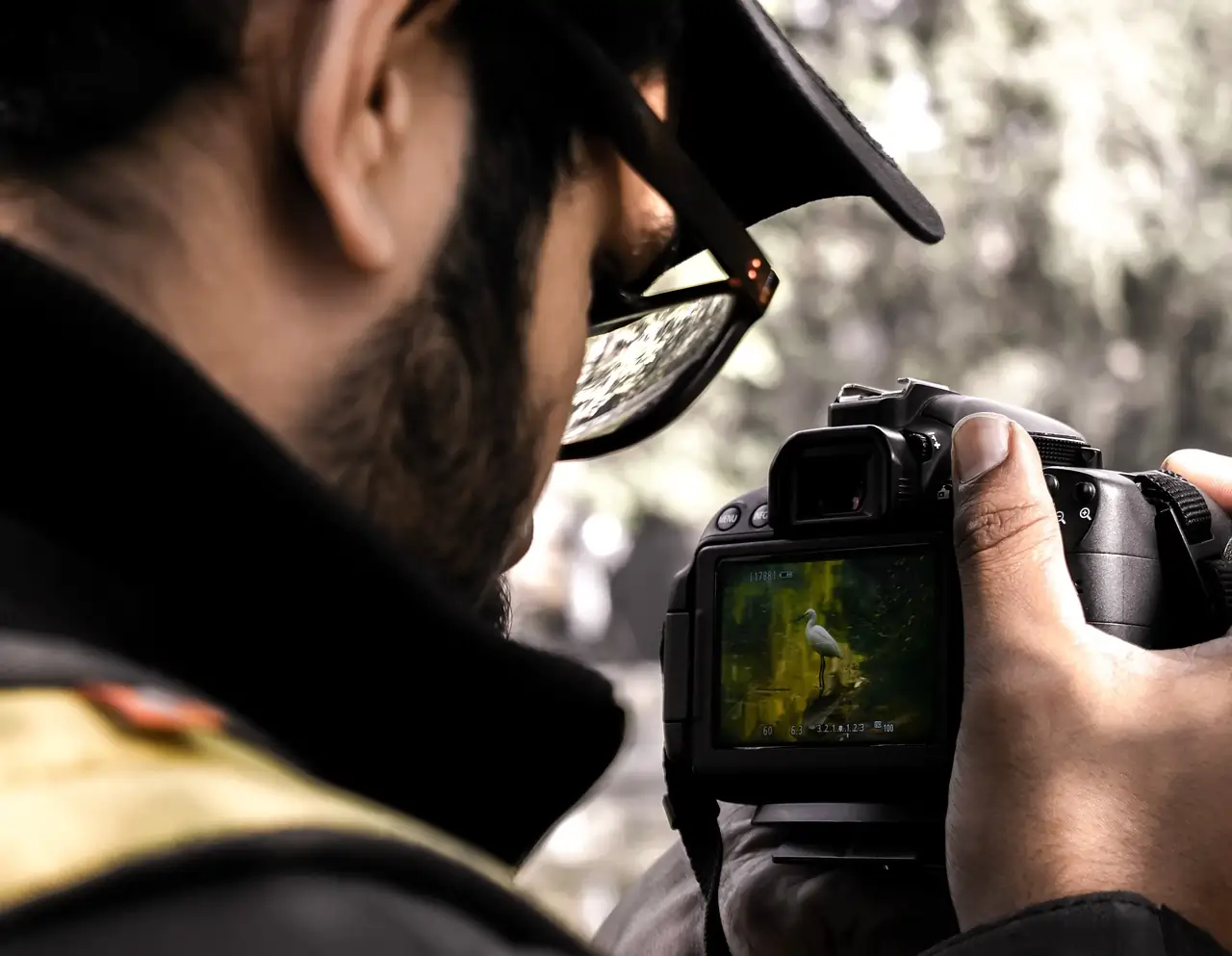
Ethical photography practices ensure your tour to Sri Lanka benefits local communities and preserves the cultural authenticity that makes destinations photogenic. This Sri Lanka travel guide emphasizes responsible approaches that respect subjects and environments while creating exciting images.
Wildlife photography ethics demand prioritizing animal welfare over perfect shots. Never request drivers to approach too closely, go off-road, disturb habitat, or use tactics stressing wildlife for better angles. Accept that sometimes animals don’t cooperate. Flash photography disturbs nocturnal animals and should never be used around wildlife. Photographers requesting inappropriate approaches encourage practices that degrade wildlife experiences for future visitors, as mentioned in every responsible Sri Lanka travel guide.
Cultural sensitivity in religious sites means recognizing that temples, stupas, and sacred locations serve devotional purposes beyond providing photogenic backdrops for tourists. Maintain respectful behavior: quiet conversation, modest dress, removing shoes, avoiding pointing feet at Buddha images, and refraining from photography during prayer unless explicitly permitted. Some temples restrict photography entirely or in specific areas. Respect these rules even if it disappoints you photographically.
When monks or pilgrims appear in your temple photographs, ensure they’re engaged in natural activities rather than posed like props. This respectful approach maintains the authentic spiritual atmosphere that makes temple photography meaningful rather than superficial.
Creating Your Perfect Sri Lanka Photography Journey
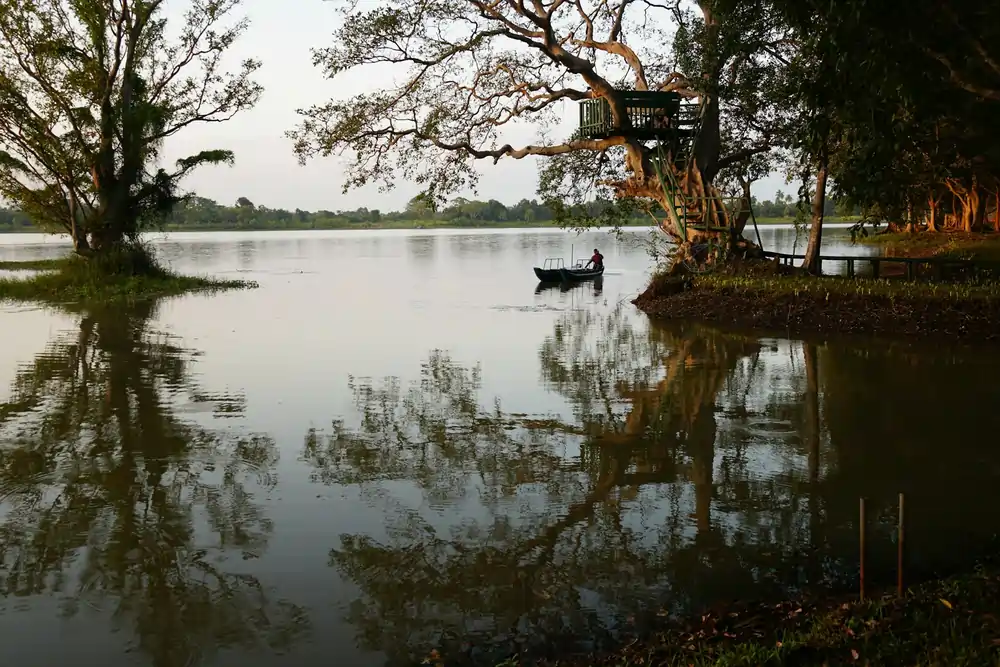
This Sri Lanka travel guide for photographers reveals an island that delivers visual rewards far exceeding its modest size. From the moment you raise your camera to capture Sigiriya’s ancient rock fortress glowing in dawn light until your final shutter click photographing fishermen pulling nets on a southern beach at sunset, Sri Lanka offers photographic diversity that few destinations match. The dramatic landscapes, incredible wildlife, rich cultural heritage, and genuine warmth of Sri Lankan people combine to create not just beautiful images, but meaningful travel experiences that resonate long after you’ve returned home.
Planning your photography tour to Sri Lanka requires balancing ambition with realism. You cannot photograph everything comprehensively in one visit. The island deserves multiple return trips exploring different seasons, regions, and photographic themes. Your first visit might focus on iconic locations and classic compositions establishing foundational imagery, while future tours delve deeper into specific interests like wildlife behavior documentation, cultural festival coverage, or landscape photography in lesser-known regions. The beauty of Sri Lanka as a photography destination is that it rewards both first-time visitors following popular routes and experienced photographers seeking unique perspectives beyond well-known subjects.
So pack your camera gear carefully, study this Sri Lanka travel guide thoroughly, clear your memory cards, charge your batteries, and prepare for a photographic adventure that will challenge, inspire, and reward you beyond expectations. Sri Lanka awaits with endless frames waiting to be captured, stories waiting to be told through your lens, and visual wonders that will remind you why you fell in love with photography in the first place. Your epic photography tour to Sri Lanka starts now. Make every shot count, but more importantly, make every moment matter.