



Here are Our Top 10 Picks for What to Do in Sri Lanka in 2026
- Anuradhapura: Explore ancient Buddhist temples and massive dagobas.
- Sigiriya: Climb the iconic Lion Rock fortress for breathtaking panoramic views.
- Kandy: Visit the Temple of the Tooth Relic.
- Ella: Explore Ella Rock, Little Adam’s Peak, Nine Arch Bridge, and enjoy the relaxed mountain town atmosphere.
- Nuwara Eliya: Discover colonial-era charm and tour working tea plantations.
- Galle: Walk the historic Dutch fort’s ramparts at sunset.
- Mirissa: Embark on whale watching tours, then relax on the crescent beach.
- Yala: Safari through Sri Lanka’s premier wildlife.
- Arugam Bay: Catch world-class surf breaks.
- Trincomalee: Swim in pristine waters at beautiful beaches.
Why Sri Lanka Should Be on Your 2026 Travel List
Following recent developments in infrastructure and tourism recovery, Sri Lanka has positioned itself as one of Asia’s most exciting destinations. The country has invested significantly in sustainable tourism initiatives, improved transportation networks, and enhanced visitor facilities while preserving its authentic charm. During your visit to Lanka, you will discover a nation that perfectly balances ancient traditions with modern conveniences, making it accessible for all types of travelers.
The diversity packed into this relatively small island is impressive. Within a few hours’ drive, you can move from misty mountain plantations to pristine beaches, from ancient temple complexes to thriving wildlife sanctuaries. This geographical variety means that deciding what to do in Sri Lanka becomes an exciting challenge of choosing among countless extraordinary experiences.
Exploring Sri Lanka’s Ancient Cultural Triangle
The Cultural Triangle, located in the north-central region, represents the heart of Sri Lanka’s ancient civilization. This area has several UNESCO World Heritage Sites and should top any list of what to do in Sri Lanka for history and culture lovers.
Sigiriya: The Eighth Wonder of the World
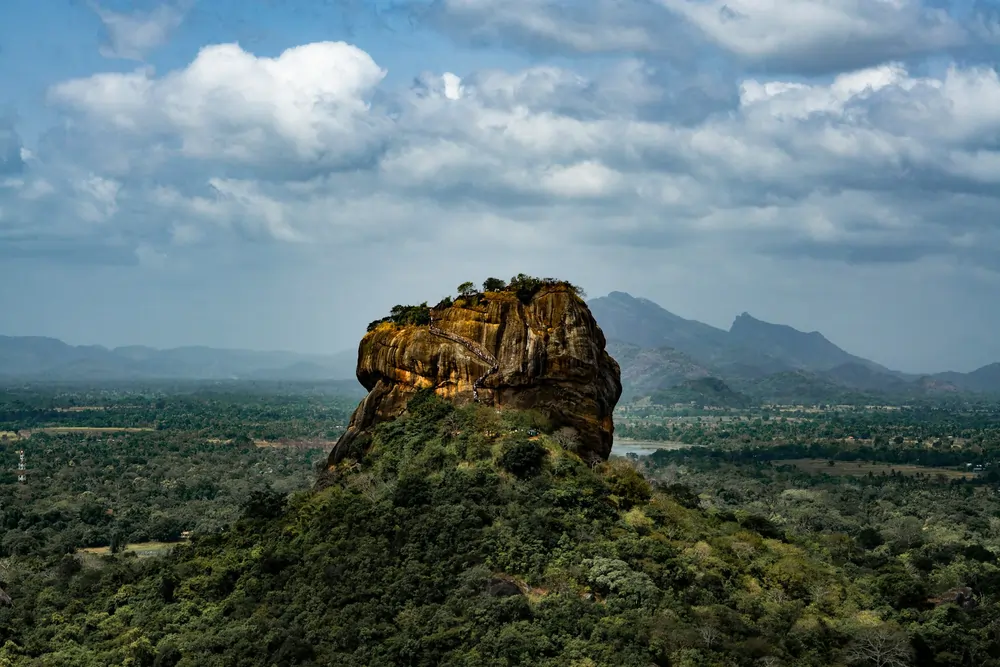
Rising dramatically from the surrounding plains, Sigiriya Rock Fortress stands as one of Sri Lanka’s most iconic landmarks. This 200-meter-high rock table hosts the ruins of an ancient palace complex built in the 5th century. When you visit to Lanka, climbing Sigiriya early in the morning allows you to avoid crowds and heat while experiencing breathtaking sunrise views. The famous frescoes of the Sigiriya maidens, the Mirror Wall with ancient graffiti, and the perfectly curated water gardens demonstrate the advanced engineering and artistic capabilities of ancient Sri Lankan civilization.
Polonnaruwa: Medieval Capital’s Majesty
Polonnaruwa served as Sri Lanka’s capital from the 11th to 13th centuries and remains incredibly well-preserved. Exploring this archaeological site by bicycle offers a personal way to discover what to do in Sri Lanka while connecting with history. The Gal Vihara’s massive Buddha statues, carved from granite, the ancient Parakrama Samudra reservoir, and the extensive palace complexes provide insights into Sri Lankan life. The site’s compact layout makes it perfect for a half-day exploration.
Anuradhapura: Sacred Ancient City
As Sri Lanka’s first capital and one of the oldest cities in the world that has been continuously populated, Anuradhapura holds a deep spiritual sense. The sacred Bodhi tree, grown from a cutting of the tree under which Buddha attained enlightenment, has been nurtured here for over 2,000 years. When considering what to do in Sri Lanka for spiritual enrichment, visiting the massive stupas, ancient monasteries, and detailed moonstones of Anuradhapura offers profound experiences. The city comes alive during Poson Poya in June, when thousands of pilgrims create an unforgettable atmosphere.
Dambulla Cave Temple
The Dambulla Cave Temple, with its five caves containing over 150 Buddha statues and covering 2,100 square meters of painted walls and ceilings, symbolizes one of the finest temple complexes in Asia. This site beautifully illustrates the artistic and spiritual treasures. The caves’ elevated position provides stunning views across the surrounding countryside, and the nearby Golden Temple’s modern architecture creates an interesting contrast with the ancient caves. This is a great exploration for history lovers, those who wonder what to do in Sri Lanka.
What to Do in Sri Lanka Hill Country
Sri Lanka’s central highlands offer cool temperatures, gorgeous landscapes, and some of the world’s finest tea. This region showcases a completely different side of the island and answers the question of what to do in Sri Lanka for nature lovers and adventure seekers.
Kandy: The Cultural Capital
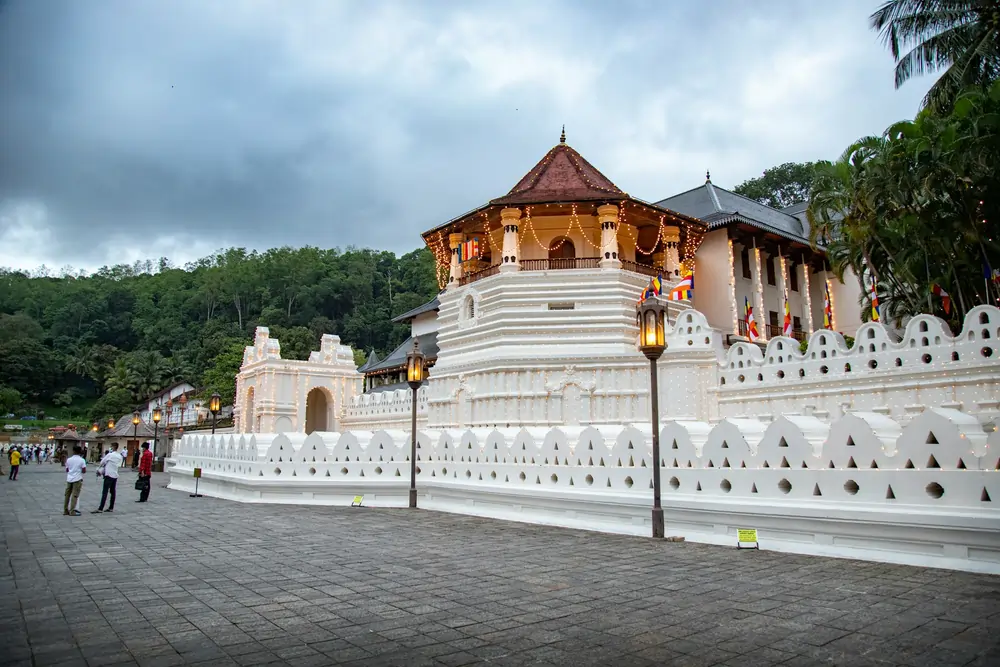
Kandy, nestled among hills and centered around a scenic lake, serves as the gateway to the hill country. The Temple of the Sacred Tooth Relic, which houses Buddha’s tooth, ranks among the most important Buddhist sites globally. When you pay a visit to Lanka, timing your visit during the Esala Perahera festival in July or August allows you to witness one of Asia’s most breathtaking religious processions, featuring decorated elephants, traditional dancers, and fire performers.
Beyond the temple, Kandy offers the beautiful Royal Botanical Gardens in Peradeniya, traditional dance performances, and opportunities to explore the surrounding hills. The city’s colonial architecture and vibrant markets provide insights into Sri Lankan daily life.
Nuwara Eliya: Little England in the Tropics
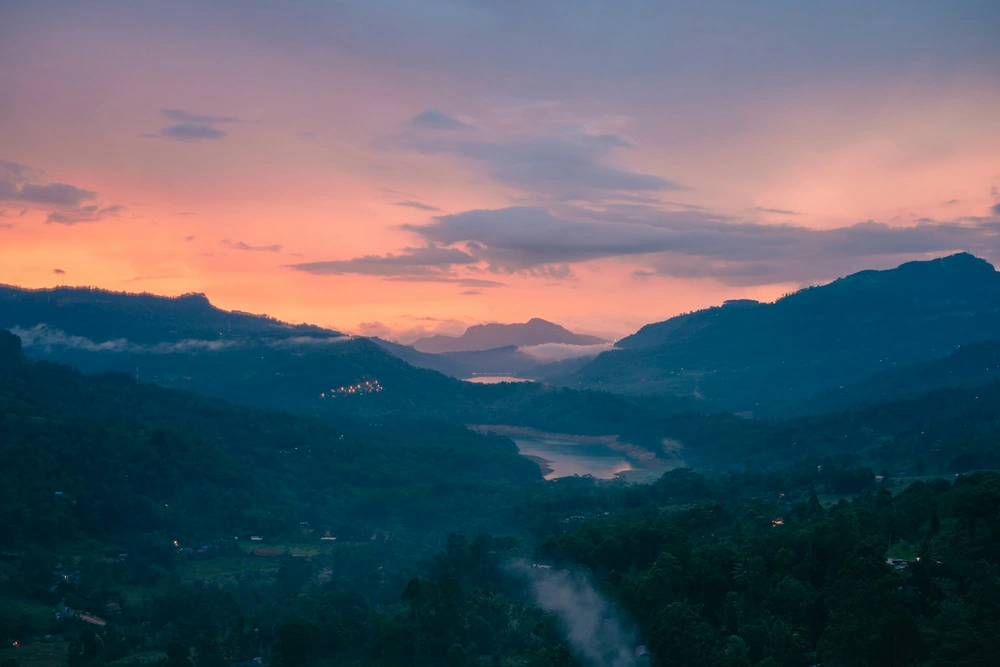
At 1,868 meters above sea level, Nuwara Eliya maintains a distinctly British colonial character with its Tudor-style buildings, beautiful gardens, and cool climate. Understanding what to do in Sri Lanka’s hill country capital includes touring tea plantations and factories, where you can observe the tea-making process from picking to packaging.
Horton Plains National Park, located near Nuwara Eliya, features World’s End, a dramatic 880-meter cliff drop offering spectacular views on clear mornings. The park’s unique cloud forest ecosystem supports endemic wildlife and provides excellent hiking opportunities. Starting early ensures you reach World’s End before clouds cover the views.
Ella: Backpacker Paradise with Stunning Views
Ella has grown into one of Sri Lanka’s most popular destinations, particularly among younger travelers. Despite its popularity, it has charm and offers numerous activities when considering what to do in Sri Lanka. The hike to Little Adam’s Peak provides relatively easy trekking with rewarding panoramic views, while Ella Rock offers more challenging trails through tea plantations and forests.
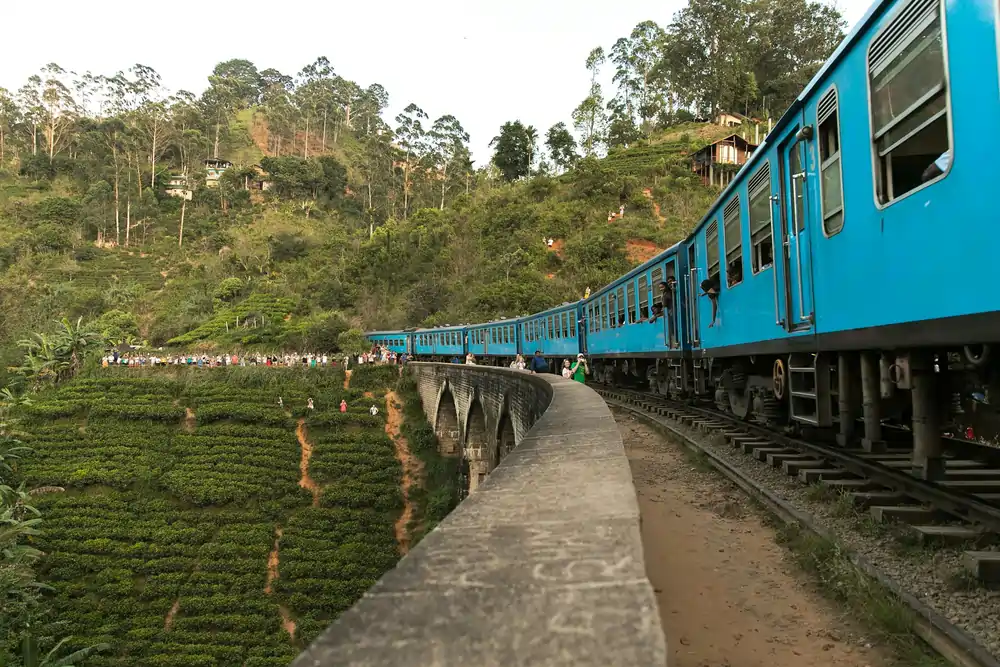
The Nine Arches Bridge, an architectural marvel built during British colonial times without using steel, creates a perfect photography spot, especially when trains cross it. The Ravana Falls and Ravana Cave add mythical attraction to the area’s natural beauty.
Train Journey Through Tea Country
The train ride from Kandy to Ella or Nanu Oya ranks among the world’s most scenic railway journeys and represents essentially what to do in Sri Lanka. The journey winds through misty mountains, past cascading waterfalls, through countless tea plantations, and across impressive viaducts. Booking second or third class allows you to keep doors open for unrestricted views and photographs, though you should book tickets in advance during peak season.
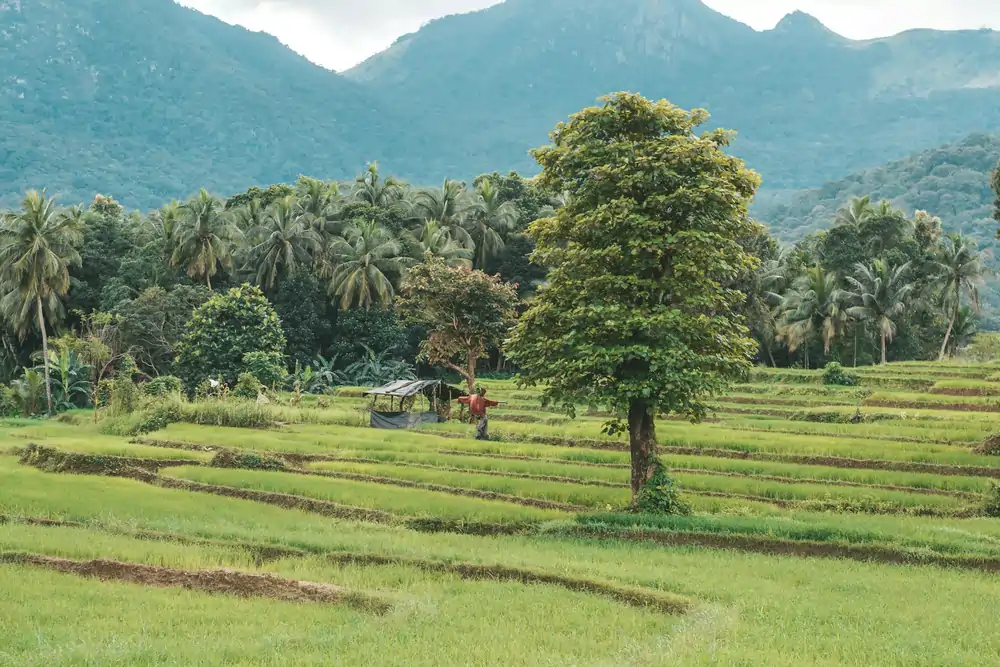
Coastal Experiences and Beach Activities
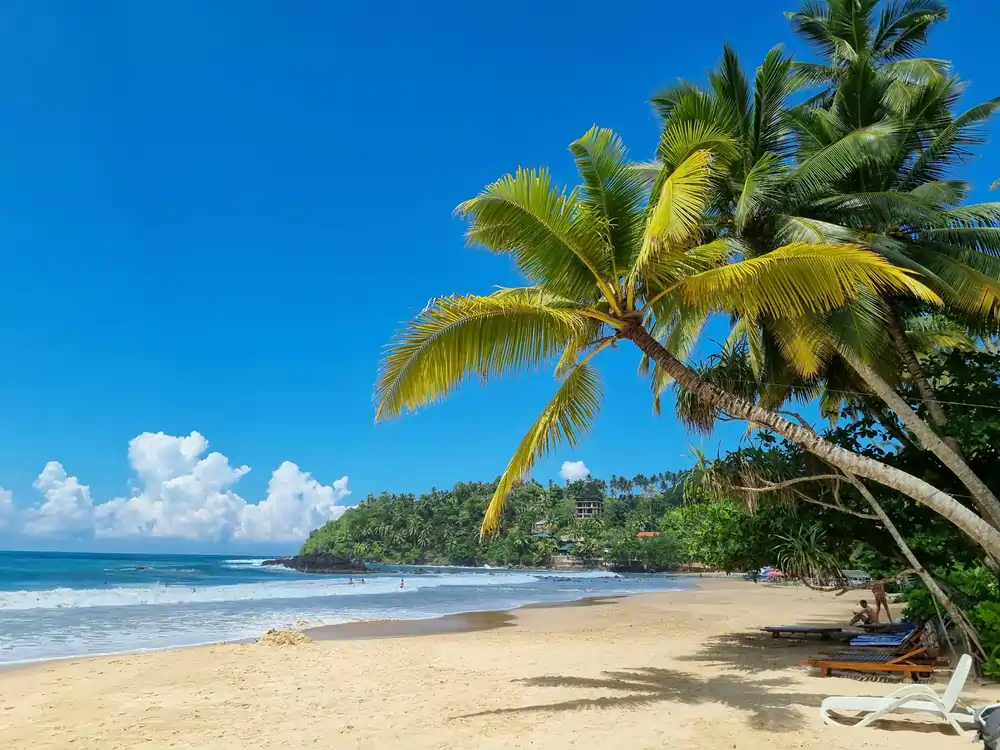
With over 1,300 kilometers of coastline, Sri Lanka offers diverse beach experiences. From surfing hotspots to tranquil bays, the coastal regions provide numerous options when deciding what to do in Sri Lanka for beach lovers.
Mirissa: Whale Watching and Beach Bliss
Mirissa has gained international recognition for whale watching, with blue whales and sperm whales frequently spotted off the coast between November and April. When you visit to Lanka during this period, early morning boat tours offer high chances of whale encounters along with dolphins and sea turtles. The crescent-shaped Mirissa Beach itself provides excellent swimming spots, with beach bars and restaurants creating a relaxed atmosphere.
Galle: Where History Meets the Sea
Galle perfectly blends colonial heritage with coastal charm, making it an important destination when deciding what to do in Sri Lanka. The Galle Fort, a UNESCO World Heritage Site, was built by the Portuguese and expanded by the Dutch in the 17th century. Within the fort’s walls, narrow streets expose Dutch colonial architecture, boutique hotels in converted mansions, art galleries, and cafes serving both local and international cuisine.
The National Maritime Museum provides insights into Sri Lanka’s maritime history, while the historic lighthouse remains an iconic landmark. Outside the fort walls, Galle’s beaches offer swimming and water sports. The fort itself remains the main attraction.
Arugam Bay: Surf Paradise
Arugam Bay on the east coast ranks among Asia’s best surfing destinations. The main point break offers consistent waves from May to September, attracting surfers from around the world. Understanding what to do in Sri Lanka as a surfer includes exploring the various breaks along the coast, from beginner-friendly waves to challenging point breaks. Even non-surfers appreciate the laid-back atmosphere, beautiful beaches, and nearby Kumana National Park for wildlife viewing.
Unawatuna and Galle: Southern Coast Highlights
Unawatuna’s protected bay creates ideal swimming conditions and supports vibrant coral reefs for snorkeling. The nearby historic Galle Fort, a UNESCO World Heritage Site, represents the finest example of a fortified city built by Europeans in South Asia. Walking along the ramparts at sunset, exploring the fort’s Dutch colonial buildings now housing boutique hotels and cafes, and visiting the lighthouse are essential activities when considering what to do in Sri Lanka’s southern coast.
Trincomalee: Eastern Coast Gem
Trincomalee features some of Sri Lanka’s finest beaches, including Nilaveli and Uppuveli, with fine white sand and crystal-clear waters. Pigeon Island National Park, accessible by boat, offers exceptional snorkeling and diving among healthy coral reefs. When you visit to Lanka’s east coast between April and September, you’ll find perfect beach weather and fewer crowds compared to the west coast.
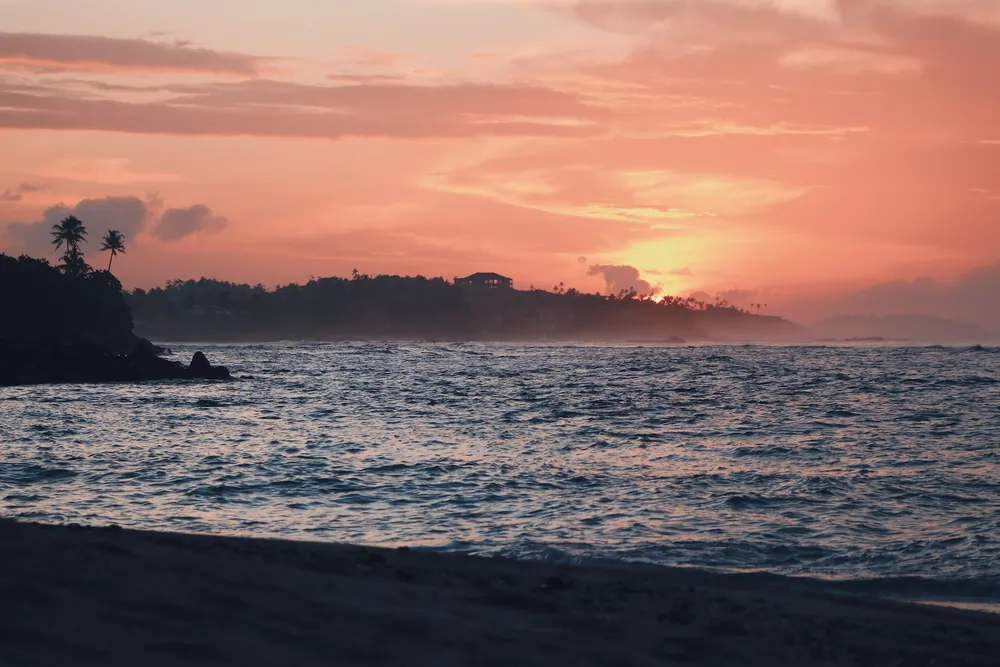
Wildlife Safaris and Nature Experiences
Sri Lanka’s biodiversity rivals destinations many times its size, making wildlife viewing a crucial part of what to do in Sri Lanka for nature enthusiasts.
Yala National Park
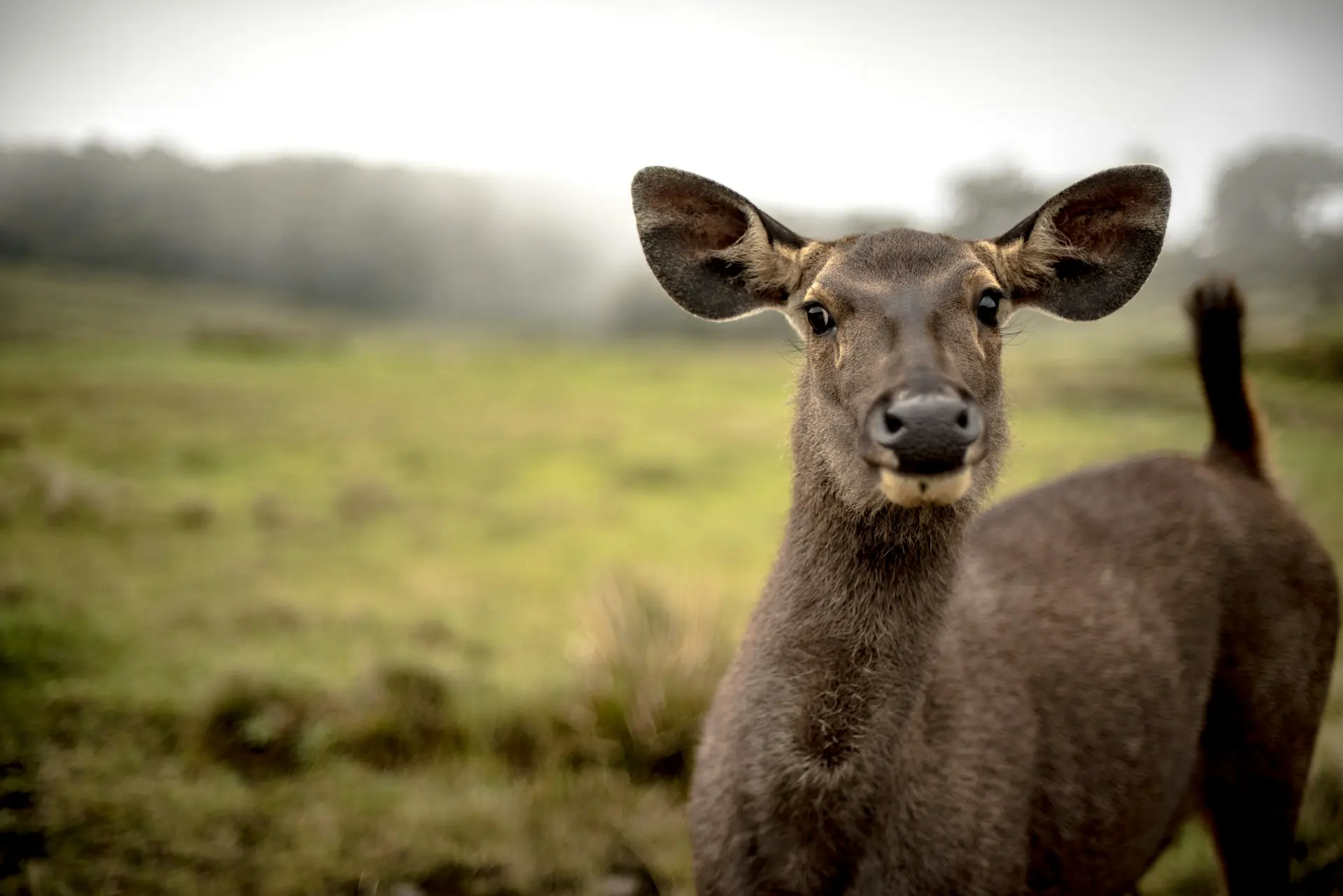
Yala National Park has one of the world’s highest leopard densities, making it the premier destination for leopard sightings. Beyond leopards, the park hosts elephants, sloth bears, crocodiles, and over 200 bird species. When considering what to do in Sri Lanka related to wildlife, booking a safari during the dry season (February to July) increases animal sighting chances as they gather around water sources. Staying in one of the luxury tented camps near the park enhances the safari experience.
Udawalawe National Park
Udawalawe focuses primarily on elephant watching, with herds regularly seen feeding in the open grasslands. The park’s landscape resembles the African savanna more than the typical Asian jungle, providing excellent visibility. The nearby Elephant Transit Home rehabilitates orphaned elephant calves, and watching feeding times offers insights into conservation efforts. This represents meaningful options for those passionate about what to do in Sri Lanka.
Sinharaja Forest Reserve
This UNESCO World Heritage Site protects Sri Lanka’s last viable area of primary tropical rainforest. Sinharaja hosts an incredible concentration of endemic species, including birds, butterflies, reptiles, and amphibians. Guided hikes through the forest, often accompanied by mixed-species bird flocks, provide unforgettable experiences when you visit to Lanka. The reserve receives significant rainfall, so waterproof gear is essential.
Minneriya and Kaudulla
Between May and October, one of the world’s largest gatherings of Asian elephants occurs in Minneriya and Kaudulla National Parks. Hundreds of elephants gather around the ancient reservoirs during the dry season, creating spectacular wildlife viewing opportunities. This seasonal phenomenon represents unique experiences for those who wonder what to do in Sri Lanka.
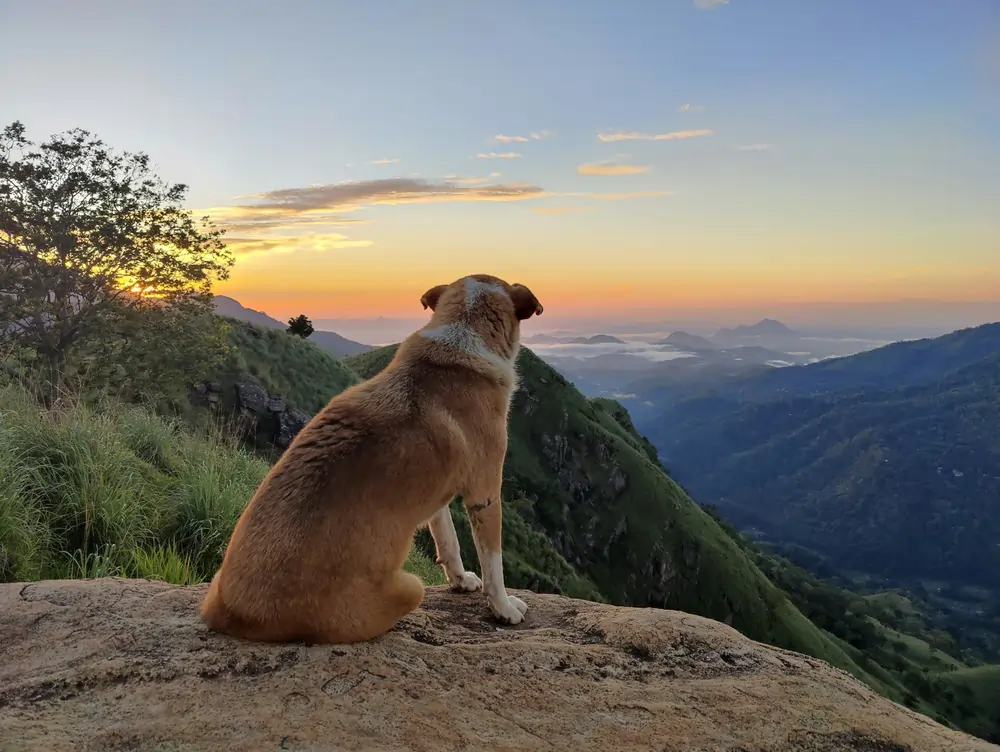
Adventure Activities and Outdoor Pursuits
Beyond cultural sites and wildlife, Sri Lanka offers numerous adventure opportunities, expanding the options for what to do in Sri Lanka for thrill-seekers.
White Water Rafting in Kitulgala
Kitulgala offers excellent white-water rafting on the Kelani River. The rapids are suitable for both beginners and experienced rafters. When you visit to Lanka between May and December, water levels are optimal for rafting. The surrounding rainforest also provides opportunities for canyoning, waterfall exploring, and jungle trekking.
Surfing
Sri Lanka’s dual monsoon system means surf season varies by coast. The west and south coasts receive consistent swells from November to April, while the east coast works best from May to September. This year-round waves availability makes surfing a main feature of what to do in Sri Lanka, regardless of when you visit. Popular surf spots include Hikkaduwa, Weligama, and Arugam Bay, with surf schools catering to all skill levels.
Diving and Snorkeling
Sri Lanka’s underwater world includes coral reefs, shipwrecks, and diverse marine life. The south and east coasts offer the best diving, with sites like the HMS Hermes aircraft carrier wreck near Batticaloa and the British Sergeant shipwreck near Unawatuna. Understanding what to do in Sri Lanka as a diver includes exploring these historical wrecks alongside natural reef systems hosting turtles, reef sharks, and countless tropical fish.
Rock Climbing
The central region offers excellent rock climbing opportunities, with Ella and Bambarakanda providing routes for various skill levels. When considering what to do in Sri Lanka for climbers, the unique rock formations and scenic surroundings create memorable climbing experiences, combined with cultural exploration.
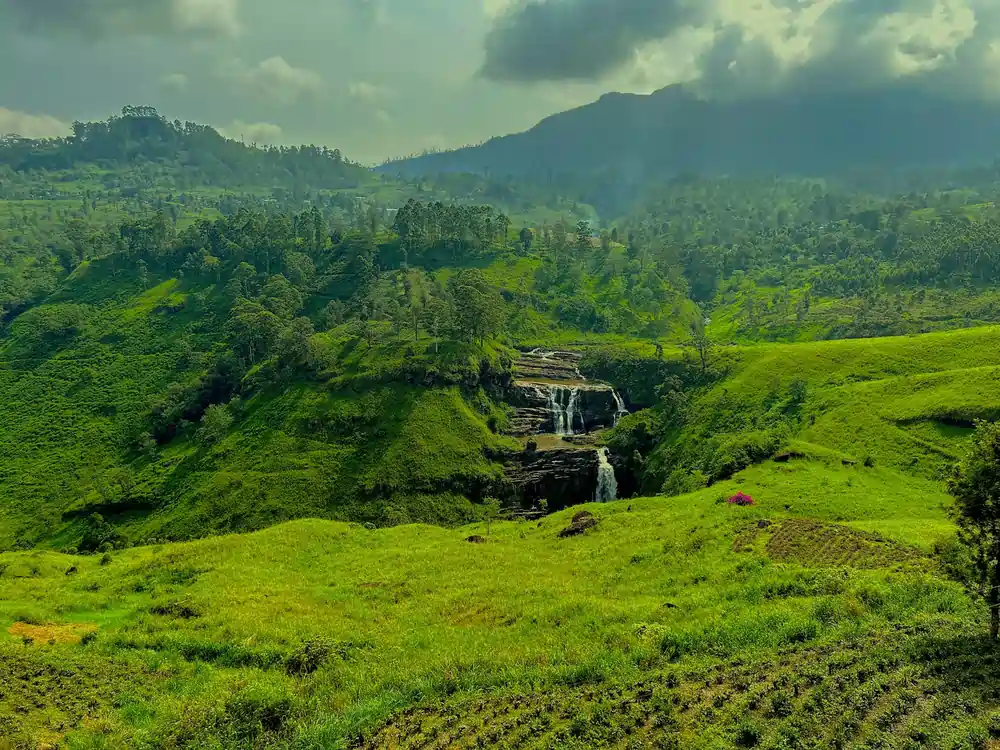
Culinary Experiences and Food Culture
Sri Lankan cuisine deserves praise as a highlight of any visit, making food exploration an essential part of what to do in Sri Lanka.
Traditional Rice and Curry
The ideal Sri Lankan meal consists of rice surrounded by multiple curry dishes, including dhal, vegetable curries, fish or meat curries, and sambols. When you visit to Lanka, trying authentic rice and curry in local restaurants or home stays provides insights into regional variations and family recipes. The blend of spices, coconut, and fresh ingredients creates complex flavors distinct from Indian cuisine.
Street Food Adventures
Sri Lanka’s street food scene offers affordable and delicious options. Hoppers, kottu roti, and various short eats dominate street stalls and casual restaurants. Exploring street food represents adventurous and budget-friendly what to do in Sri Lanka options for food enthusiasts.
Cooking Classes and Food Tours
Learning to prepare Sri Lankan dishes through cooking classes has become increasingly popular. Classes typically include market visits to select ingredients, followed by hands-on preparation of multiple dishes. This interactive approach to understanding what to do in Sri Lanka creates lasting memories and skills you can recreate at home.
Tea Tasting Experiences
Beyond plantation tours, specialized tea tasting experiences allow you to appreciate the Ceylon tea. When you visit to Lanka’s hill country, attending professional tastings helps you understand quality differences between tea grades and brewing techniques.
Wellness and Ayurveda Retreats
Sri Lanka’s ayurvedic tradition spans thousands of years, making wellness tourism a significant part of what to do in Sri Lanka for travelers.
Authentic Ayurvedic Treatments
Numerous resorts and dedicated ayurvedic centers offer treatments ranging from single massages to comprehensive multi-week programs. Authentic centers employ qualified ayurvedic doctors who create personalized treatment plans based on your dosha (body form). Understanding what to do in Sri Lanka for wellness includes researching legitimate establishments, as quality varies significantly.
Yoga Retreats
The combination of beautiful natural settings and spiritual heritage makes Sri Lanka ideal for yoga retreats. Locations from beach settings to mountain hideaways host retreats ranging from weekend workshops to month-long immersions. When you visit to Lanka seeking wellness, these retreats often combine yoga with meditation, ayurvedic treatments, and healthy cuisine.
Practical Information for 2026 Travel
Understanding practical elements enhances your ability to decide what to do in Sri Lanka and plan effectively.
Best Time to Visit
Sri Lanka’s climate varies by region due to two monsoon seasons. The west and south coasts and hill country are best from December to March, while the east coast shines from April to September. However, when considering what to do in Sri Lanka, shoulder seasons often provide good weather with fewer crowds and better prices.
Transportation Options
Getting around Sri Lanka involves various options. Trains offer scenic journeys but can be crowded and slow. Buses provide extensive coverage at low costs but may be uncomfortable for long distances. Hiring a car with a driver remains popular among tourists, offering flexibility and local knowledge. For shorter distances in cities, tuk-tuks provide authentic local transport experiences.
When planning what to do in Sri Lanka, factor in travel times, as roads can be narrow and winding, making journeys longer than suggested distances. The country’s compact size means you can experience diverse regions within a two to three-week visit.
Accommodation Diversity
Sri Lanka offers accommodation for all budgets, from backpacker hostels to ultra-luxury resorts. Boutique hotels in restored colonial buildings, eco-lodges in nature settings, and homestays with local families provide authentic experiences. When you visit to Lanka, booking accommodation in advance during peak season (December to March) ensures availability and better rates.
Visa Requirements and Entry
Most visitors can obtain an Electronic Travel Authorization (ETA) online before arrival. The process is straightforward, typically approved within 24 hours. Checking current requirements before your trip ensures a smooth entry when you visit to Lanka.
Sustainable and Responsible Tourism
As tourism recovers and grows, practicing responsible tourism becomes increasingly important when deciding what to do in Sri Lanka.
Supporting Local Communities
Choosing locally-owned accommodations, eating at local restaurants, and purchasing handicrafts directly from artisans ensures tourism benefits local communities. When considering what to do in Sri Lanka, engaging with community-based tourism initiatives provides authentic experiences while supporting sustainable development.
Wildlife Ethics
Avoiding elephant rides and ensuring safaris follow ethical practices protects Sri Lanka’s wildlife. Legitimate sanctuaries focus on conservation and rehabilitation rather than entertainment. Understanding what to do in Sri Lanka responsibly includes researching wildlife experiences to ensure they prioritize animal welfare.
Environmental Conservation
Reducing plastic use, respecting natural areas, and supporting conservation initiatives help preserve Sri Lanka’s environment. When you visit to Lanka, bringing reusable water bottles, bags, and refusing plastic straws contributes to reducing environmental impact.
Creating Your Sri Lankan Itinerary
With so many options for what to do in Sri Lanka, creating an itinerary requires prioritizing interests and flexibility.
Two-Week Classic Plan
A classic two-week itinerary might include: arrival in Colombo, exploring the Cultural Triangle (Sigiriya, Polonnaruwa, Dambulla), visiting Kandy, experiencing the hill country train journey to Ella, safari in Yala, relaxing on the south coast (Mirissa, Galle), and departing from Colombo. This route covers diverse experiences while remaining effortless.
Alternative Itineraries
Adventure seekers might focus on surfing the east coast, rafting in Kitulgala, and hiking in the hill country. Cultural enthusiasts could spend more time in ancient cities and temple complexes. Beach lovers might combine different coastal areas with island time. When planning what to do in Sri Lanka, tailoring your itinerary to personal interests creates the most satisfying experience.
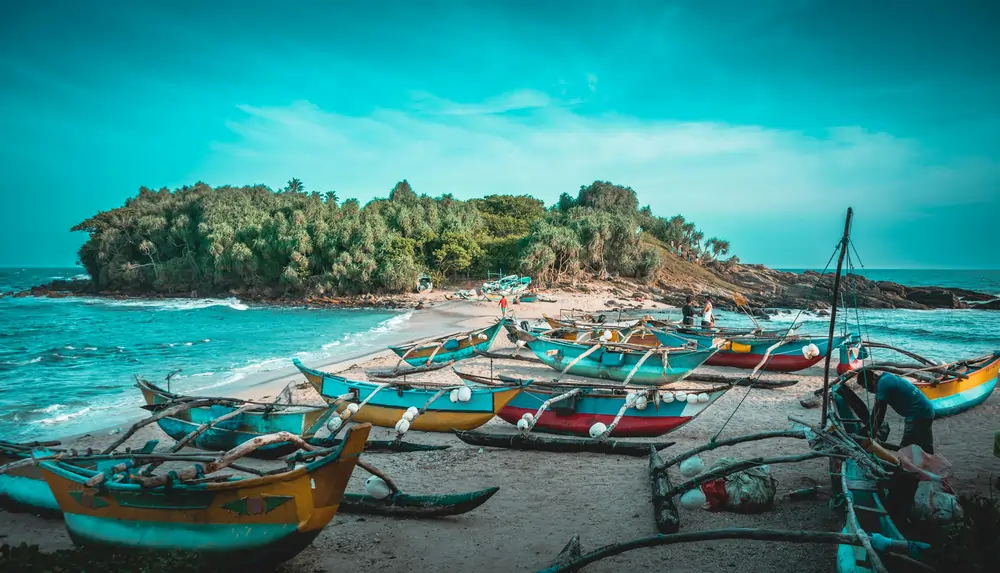
Get Ready For Your Sri Lankan Adventure
Sri Lanka’s extraordinary diversity, warm hospitality, and authentic experiences create unforgettable journeys for all types of travelers. From ancient temples to pristine beaches, misty mountains to wildlife-rich national parks, the question of what to do in Sri Lanka presents delightful rather than difficult choices.
As you plan your 2026 visit, remember that Sri Lanka’s greatest asset is its people. The genuine smiles, helpful nature, and pride Sri Lankans show in sharing their country create connections that transform good trips into exceptional ones.
The island’s manageable size allows you to experience remarkable diversity within a single trip, while its depth ensures there’s always more to discover on return visits. From watching leopards in Yala to sipping tea overlooking mountain vistas, from exploring thousand-year-old ruins to surfing perfect waves, what to do in Sri Lanka encompasses experiences that satisfy every travel desire.
Start planning your 2026 Sri Lankan adventure today, and prepare to create memories that will last a lifetime in this extraordinary island nation.